Bank of America commits to domestic talent: 1,000 trainees and $150 million in training
Over the next two years, the bank will expand its paid training programs in areas such as technology, operations and consumer banking, while reinforcing its commitment to skills-based hiring.
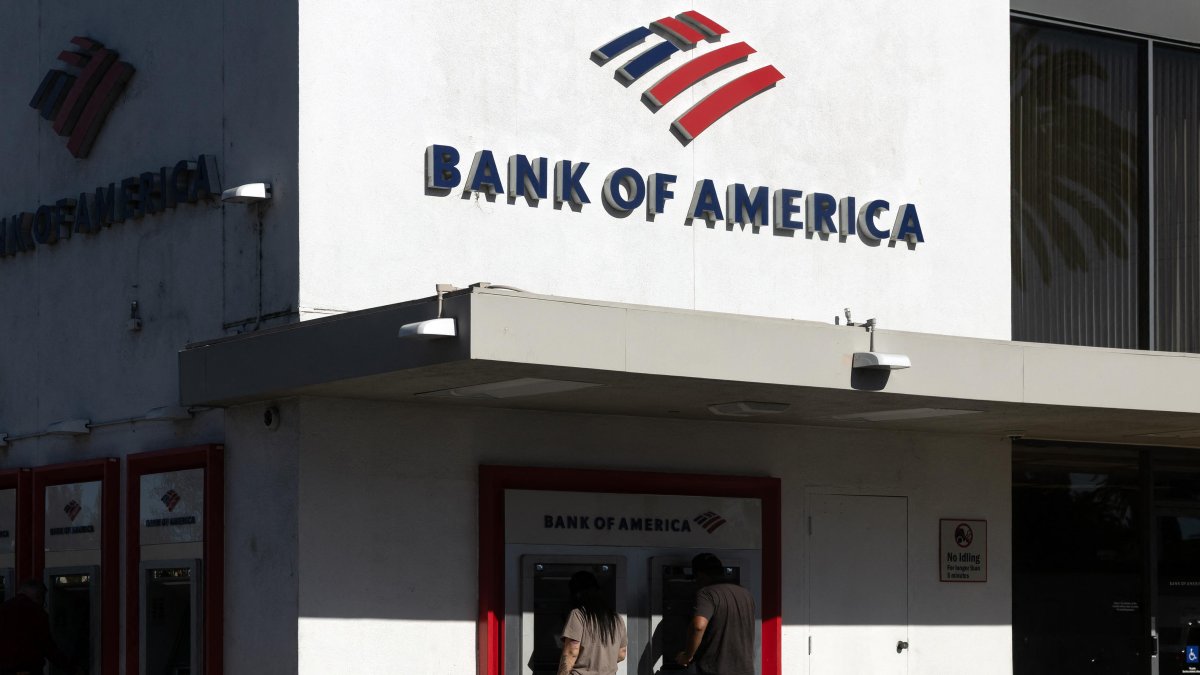
People use ATMs at a Bank of America branch

Bank of America announced Thursday that they will hire 1,000 additional apprentices over the next two years and will allocate $150 million over five years to organizations dedicated to workforce development and training in the country.
The new positions will be part of the bank's paid apprenticeship programs and will cover areas such as retail banking, technology, operations and other divisions of the group. Currently, Bank of America hires more than 800 people each year through these types of hands-on training programs, according to the company.
The initiative is part of the bank's strategy to promote hiring that is increasingly based on candidates' skills and experience, rather than relying exclusively on college degrees.
"This is yet another way we're doing what we can to help build a U.S. workforce that's ready for the future," said Brian Moynihan, president and CEO of Bank of America, in remarks released alongside the announcement, which cited Fox News.
"Our workforce learning and development programs underscore our ongoing commitment to expanding opportunities and helping talented individuals develop the skills needed to succeed," Moynihan added.

A $150 million investment
In addition to the new hires, Bank of America plans to allocate $150 million over the next five years to organizations that train workers in skills in demand in the market and connect them with career opportunities.
The initiative expands on the bank's existing investments in this area. In February, the bank reported that in 2025 it had invested nearly $40 million in workforce development programs, in partnership with more than 100 universities and community centers and more than 600 nonprofit organizations in the United States.
According to Bank of America, these investments helped connect some 86,400 people with jobs offering sustainable wages and provided training, education, or career preparation to 265,000 people.
More hires without a college degree
The bank states that approximately 40% of the people it currently hires do not hold a college degree, in line with a growing trend among large U.S. companies to prioritize professional skills over traditional academic requirements.
The bank had already announced in September 2025 another hiring initiative targeting workers with non-traditional backgrounds.
At that time, it committed to hiring 10,000 additional employees with military experience or a military background over five years, in addition to 8,000 new employees from community colleges during the same period. Bank of America explained at the time that it would double its annual hiring from those institutions, increasing from about 800 to 1,600.

Society
Victim killed in Times Square attack identified as Erin Piacenti, vice president of Bank of America
Williams Perdomo
The government highlights apprenticeship programs
Acting Secretary of Labor Keith Sonderling endorsed the bank's new initiative.
"American workers deserve the opportunity to build successful careers without having to leave their hometowns," he said.
Sonderling also highlighted Bank of America's investment in programs designed to prepare workers for "highly skilled and well-paying" jobs, while enabling companies to meet their needs for specialized personnel.
What are registered apprenticeships?
In July, the Department announced $162 million in incentives to expand these programs in strategic sectors, as part of the Trump administration's goal to exceed 1 million active apprentices in the United States.
Bank of America's new employment initiative also comes just a few weeks after the bank announced a $250 billion initiative to finance critical U.S. infrastructure, including data centers, semiconductor facilities, power generation and transportation projects.
LATEST