Inflation rose 0.4% in October, exceeding forecasts
Price increases slowed compared to September, when the CPI rose 0.6%. The drop in gasoline prices in October helped ease inflationary pressure, although fuel prices remain higher than they were a year ago.
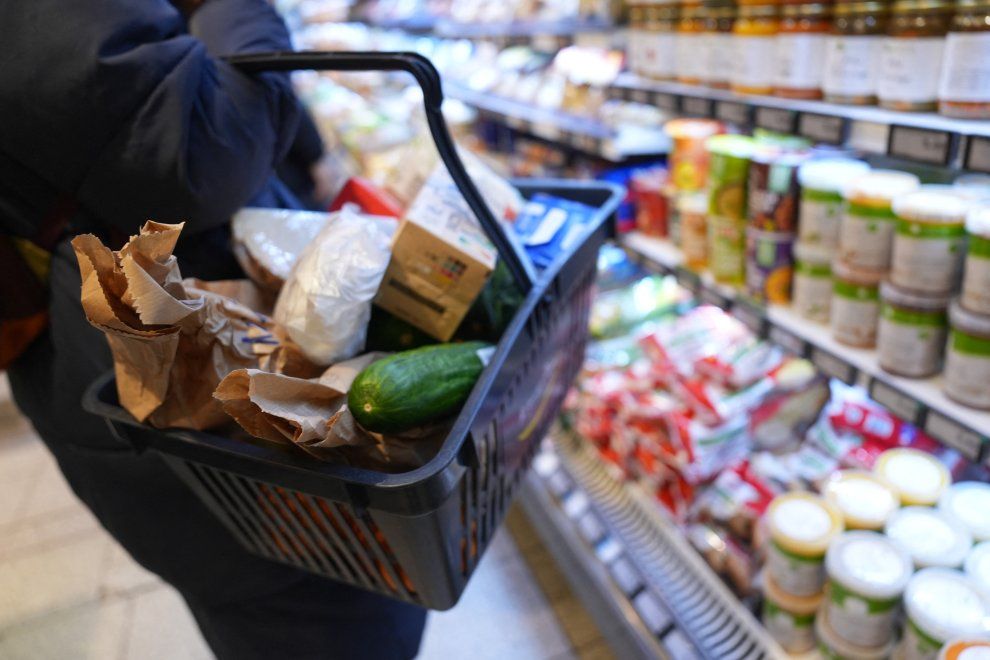
Illustration of inflation

Inflation rose by 0.4% between September and October, a figure slightly higher than expected, although it represents a moderation from the 0.6% monthly increase recorded in September compared to August.
The data comes from the Consumer Price Index (CPI), compiled by the Bureau of Labor Statistics (BLS), which measures price changes for a basket of goods and services. However, the agency did not publish the usual year-over-year inflation rate because data was not collected in October 2025 during the government shutdown.
The energy costs, driven mainly by the war with Iran, have been the main factor behind the rise in inflation. Since the start of the conflict in late February, the annualized rate has remained above 3%. In May, it reached 4.2%, its highest level in three years, before fluctuating between 3.4% and 3.7%.
In October, energy prices continued to rise slightly, though at a slower pace than the previous month.

Economy
Employment rose by 165,000 jobs in October, and unemployment rate fell to 4.1%
Williams Perdomo
Gas prices starting to fall
One factor that helped moderate the rise in prices was the trend in gasoline prices. According to data from the American Automobile Association (AAA), the average price per gallon fell from $4.41 at the beginning of October to $4.22 during that month.
Despite the decline, gas continues to cost more than an extra dollar per gallon compared to a year ago. However, on Monday, the average price fell below $4 for the first time since July.
Diesel, used to power trucks, farm machinery, buses and trains, has also seen a significant price increase: it costs nearly $2.50 more per gallon than last year, although its price has fallen since October.
The price trends come on the heels of the midterm elections, which will give Democrats control of Congress and were widely interpreted as a rejection of the Republicans due to the rising cost of living.
Federal Reserve kees pressure on prices
Rising interest rates make borrowing and access to credit more expensive, which can slow economic activity and help moderate inflation. The central bank's goal is to keep price increases around 2%.
Labor market growth exceeded economists' expectations in October, giving the Federal Reserve more leeway to raise rates. Meanwhile, the unemployment rate has remained relatively stable, slightly above 4%.
🛠 Do you think there is an error in this article?
Recommendations





LATEST