







Federal Reserve does not change interest rates ahead of midterms
The central bank set interest rates between 3.75% and 4%, even though Governor Lisa Cook wanted a quarter-point increase.

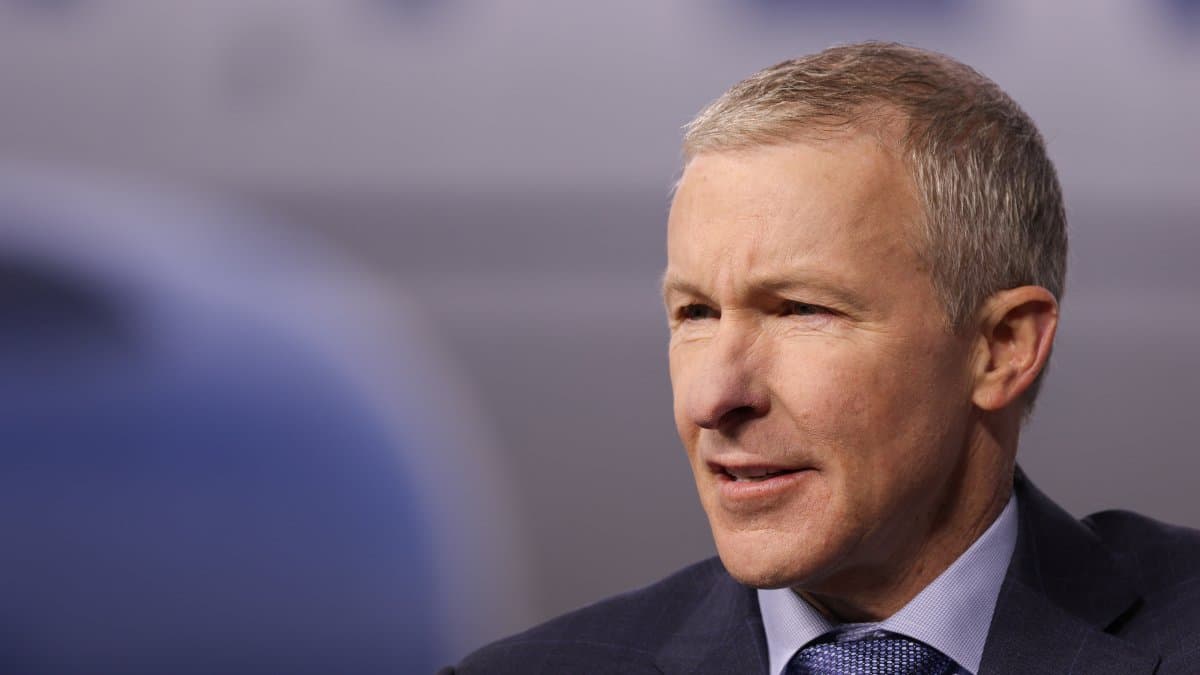
Fed Chairman Kevin Warsh during a hearing

The Federal Reserve kept interest rates unchanged, in line with market expectations, just a few days before the midterm elections, for which the economy is one of the key issues in the election campaigns of both the Republican Party and the Democratic Party.
This Wednesday, the Federal Open Market Committee (FOMC), a body within the central bank, voted to keep interest rates unchanged, setting them between 3.75% and 4.00%.
The decision was supported by ten of the 12 members that make up the FOMC.
"The Committee decided to maintain the target range for the federal funds rate at 3-3/4 to 4 percent, in support of the Federal Reserve's dual mandate. The Committee is continuing its policy of maintaining ample reserves in the banking system," the Fed said in a statement.
"Economic activity is expanding at a strong pace. While uncertainty remains elevated owing, in part, to geopolitical developments, domestic spending has been resilient. Productivity growth is strong, and capital investment is robust. Job gains have kept pace with the workforce, and the unemployment rate has changed little. Inflation remains elevated. The accumulation of more information will help the Committee determine the policy stance appropriate to ensure a timely return of inflation to the Committee's 2 percent goal. The Committee will deliver price stability," the central bank added.
The governor, Lisa Cook, and the president of the Federal Reserve Bank of Cleveland (Ohio), Beth Hammack, were the dissenting voices. Both called for a 0.25% increase in interest rates.
Warsh: "Inflation is too high"
Following the FOMC meeting, Fed Chair Kevin Warsh, appeared before the media to share his views on the economic situation.
Warsh stated that inflation remains "too high," which is why interest rates were not cut. He also reported that the central bank will reduce the number of rate-setting meetings in 2027.
🛠 Do you think there is an error in this article?
Recommendations





LATEST


