US manufacturing industry grows for tenth consecutive month amid Trump's push for industrial revitalization
The news comes just days before the midterm elections, as President Donald Trump travels across the country to promote his economic policy.
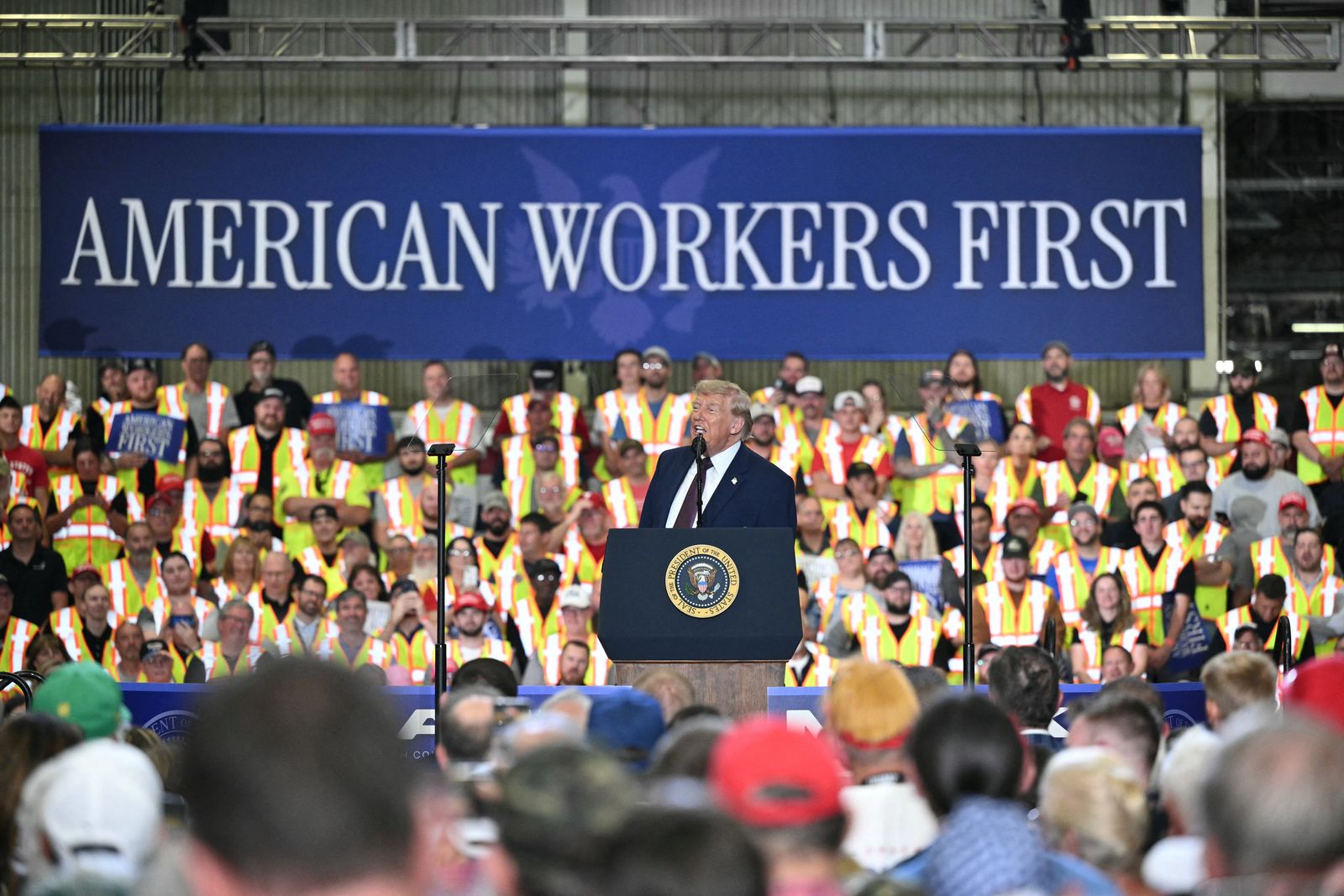

The U.S. manufacturing industry in the United States recorded ten consecutive months of expansion in October and reached its best level in years. This was reflected in the report published Monday by the Institute for Supply Management (ISM), in which the sector's Purchasing Managers' Index (PMI) rose to 55.5 points, up from 54.5 points in September.
The PMI is a composite index calculated based on monthly surveys of purchasing managers at manufacturing companies. It takes into account five variables: new orders, production, employment, supplier deliveries and inventories.
As explained by the ISM, a reading above 50 points indicates that manufacturing activity is, in general terms, expanding; below that threshold, it signals a contraction.
Politics
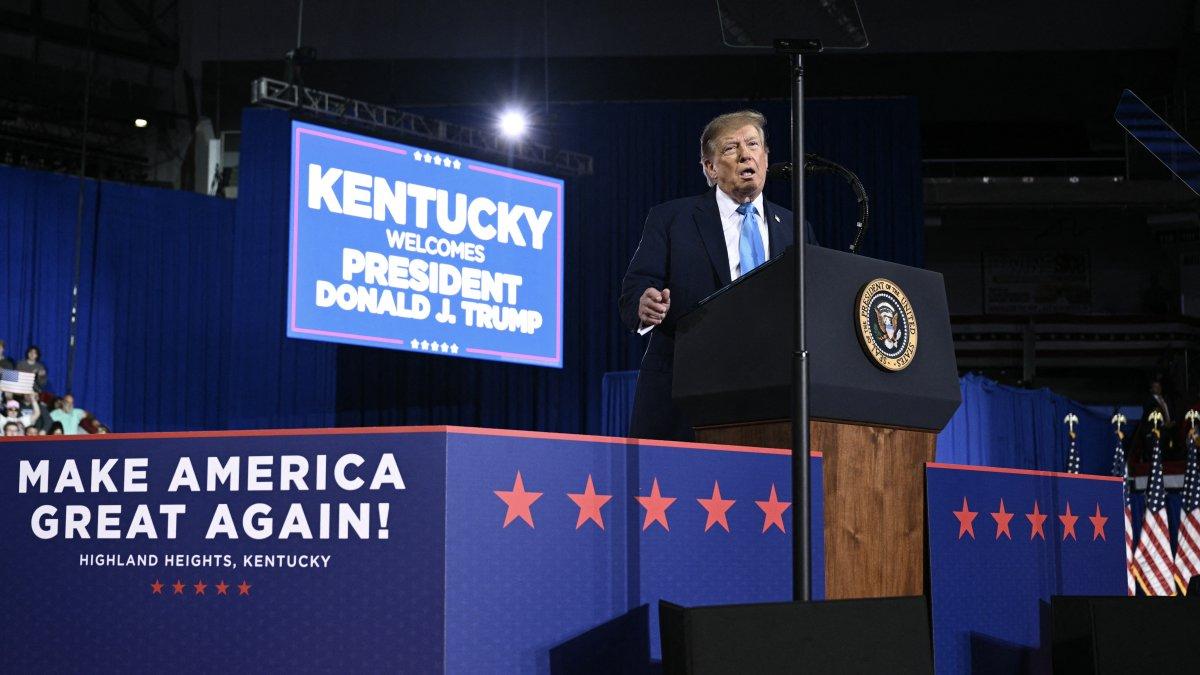
Trump touts economic agenda in Kentucky: Tariffs, investments and supply chains
Joaquín Núñez
Production was one of the main drivers of growth in the manufacturing sector: its indicator climbed from 56.7 to 59 points, the highest level since November 2021. Meanwhile, new orders for manufactured goods posted ten consecutive months of expansion.
The news comes just days before the midterm elections and as President Donald Trump tours the states to promote his economic policy. Since his return to the White House in January 2025, the president has boosted domestic manufacturing through a combination of tax incentives, tariffs and measures to attract investment.
For example, within the "Big Beautiful Bill," also known as the Tax Cuts for Working Families Act, there is a provision that allows companies to deduct the cost of certain new industrial facilities from their taxes starting in the first year. The goal is to reduce the cost of opening or expanding factories and to facilitate new investments.
In turn, Trump also imposed tariffs on imported goods, such as automobiles, steel and aluminum, to protect domestic manufacturers and boost U.S. production.
247,000 manufacturing jobs projected for 2025
Of that total, 153,000 were from companies that relocated their production, and another 94,000 were from foreign direct investment. The sectors with the most job postings were the transportation equipment, computer and electronic products, and the chemical industry.
"With smarter cost analysis, sustained investment in automation and workforce development, and a stable national industrial policy, manufacturers can turn today’s momentum into stronger supply chains, globally competitive factories and millions of well-paying American jobs," said Harry Moser, founder and president of Reshoring Initiative.
🛠 Do you think there is an error in this article?
Recommendations







LATEST