ANALYSIS
The Middle East 'tsunami' threatens to devastate the economy: Diesel prices hit an all-time high, Treasury yields reach highest since 2007 and stock markets plummet
All eyes are on next Wednesday's Federal Reserve meeting, with 90% of analysts anticipating a rate hike to combat inflation amid a war scenario that shows no signs of improving.

Houthi supporters

The escalation in the Middle East has triggered a tsunami whose effects are causing serious damage to the global economy. In addition to the blockades of the Strait of Hormuz and Iranian ports have been joined by Houthi attacks on key energy facilities in Saudi Arabia and the takeover, by Iran-linked terrorists, of naval access to the Red Sea.
The result is the skyrocketing price of oil, a new record high for the cost of a gallon of diesel, Treasury bonds surging to 2007 levels and global stock markets reeling.
This scenario is pure fuel for rising inflation. As a result, all eyes are on next Wednesday's Federal Reserve meeting, which could pave the way for interest rate hikes despite Donald Trump's opposition.
Oil prices are consolidating above $100
The price of oil seems to have no ceiling and threatens to return to all-time highs. At the moment, a barrel of Brent is approaching $110, after reaching $107.90 in the early hours of European trading. Meanwhile, West Texas Intermediate, the U.S. benchmark, has consolidated above the psychological $100 threshold and was trading at $103.60 per barrel.
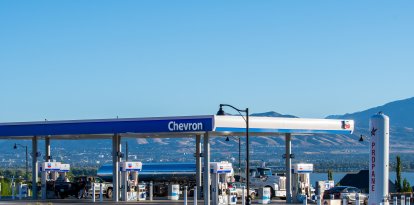
The price of a gallon of diesel, which already crossed the $6 mark last week, continues its own rally, reaching $6.27 on Tuesday. This new all-time high is also linked to the repeated Ukrainian attacks on Russian refineries, as highlighted by Donald Trump.
The yield on 10-year Treasury bonds reaches 5.02%
In addition, the yield on 10-year Treasury bonds reached 5.02%, its highest level since 2007, just before the global financial crisis. After hitting the 5% mark on Monday, a 6-basis-point rise on Tuesday pushed the yield past that threshold.
The movement is spreading to the rest of the domestic yield curve. The yield on the 30-year bond rose by more than 5 basis points, reaching 5.384%. Meanwhile, the yield on the two-year bond, which is more sensitive to monetary policy expectations, rose about 4 basis points to 4.68%.
All eyes on Wednesday's Federal Reserve meeting
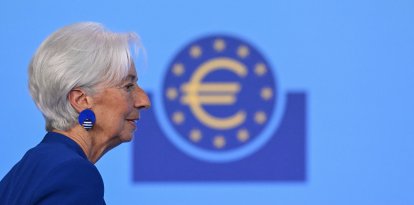
Following last week's rate hike by the European Central Bank, attention is now focused on the Federal Reserve, and traders estimate a probability of more than 90% that it will also raise rates, according to AFP.
The tension is also affecting the markets, where red is the dominant color these days. Asian markets extended their decline following Monday's sell-off in the three major Wall Street indices.
Global stock markets are in the red
Seoul, Hong Kong, Shanghai, Sydney, Singapore, Wellington, Taipei, Mumbai, Bangkok and Manila posted declines, while Tokyo closed with a slight drop. At the open, London, Paris and Frankfurt continued the sell-off.
The Middle East crisis shows no signs of calming down
Added to this is the war between the Houthis and Saudi Arabia, which is escalating rapidly due to the exchange of blows, with Iran's terrorist allies blatantly seeking to cripple Saudi oil exports by seizing control of the Bab al-Mandab Strait, a key chokepoint for crude oil bound for the Red Sea.
The situation has prompted the UN Security Council to announce a meeting on Tuesday to address the situation in the Bab al-Mandab Strait following the Houthi rebels' offensive, diplomatic sources told AFP. The request for the meeting came from France, which holds the presidency this month, and Saudi Arabia and Yemen are expected to speak
LATEST