






Oil surge 5% after new US and EU sanctions on Russia
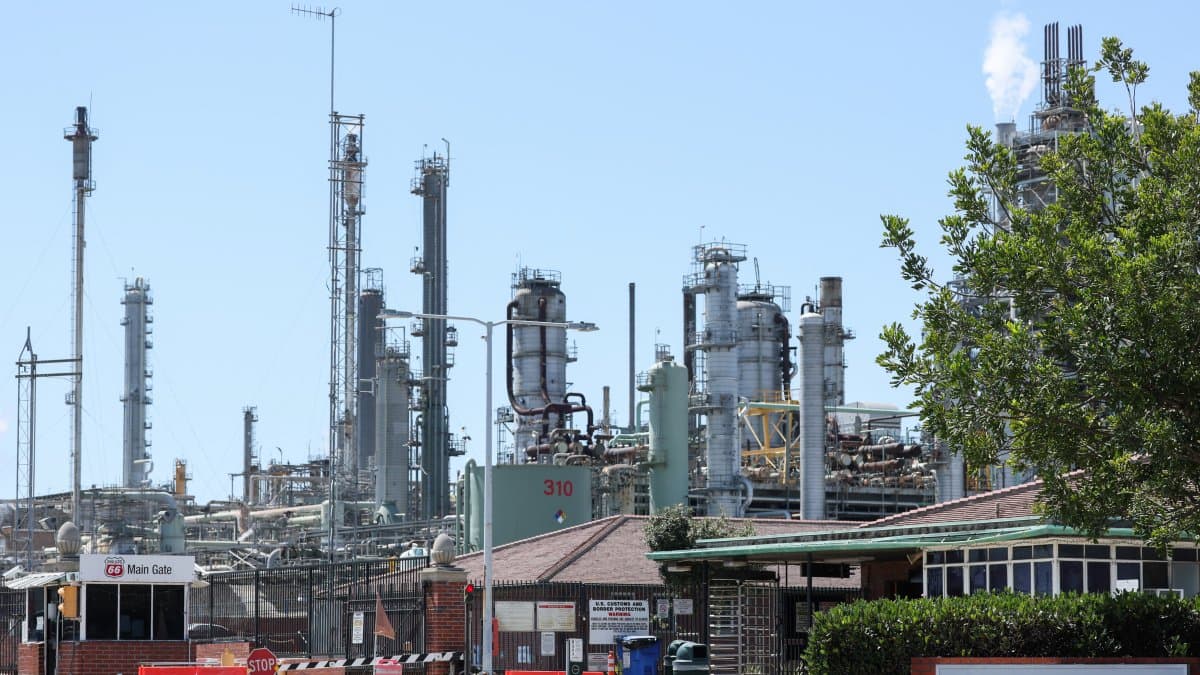
The pressure measures include freezing the U.S. assets of Rosneft and Lukoil, Russia's two largest oil companies, in addition to banning U.S. companies from doing business with them.
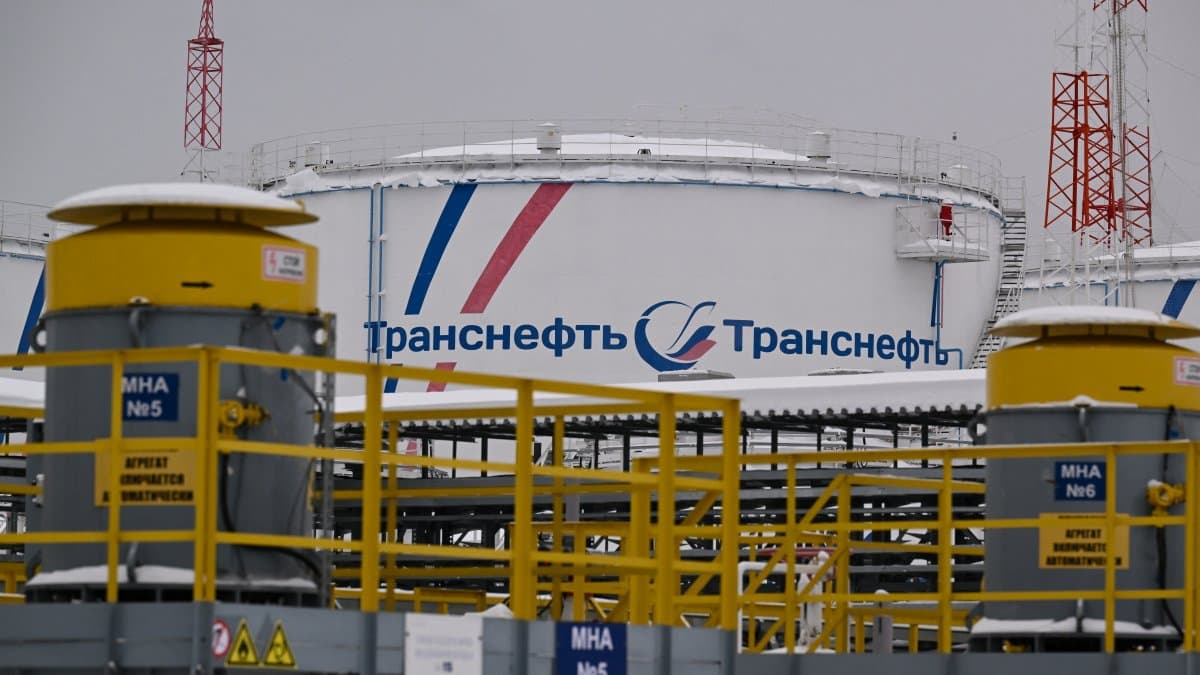

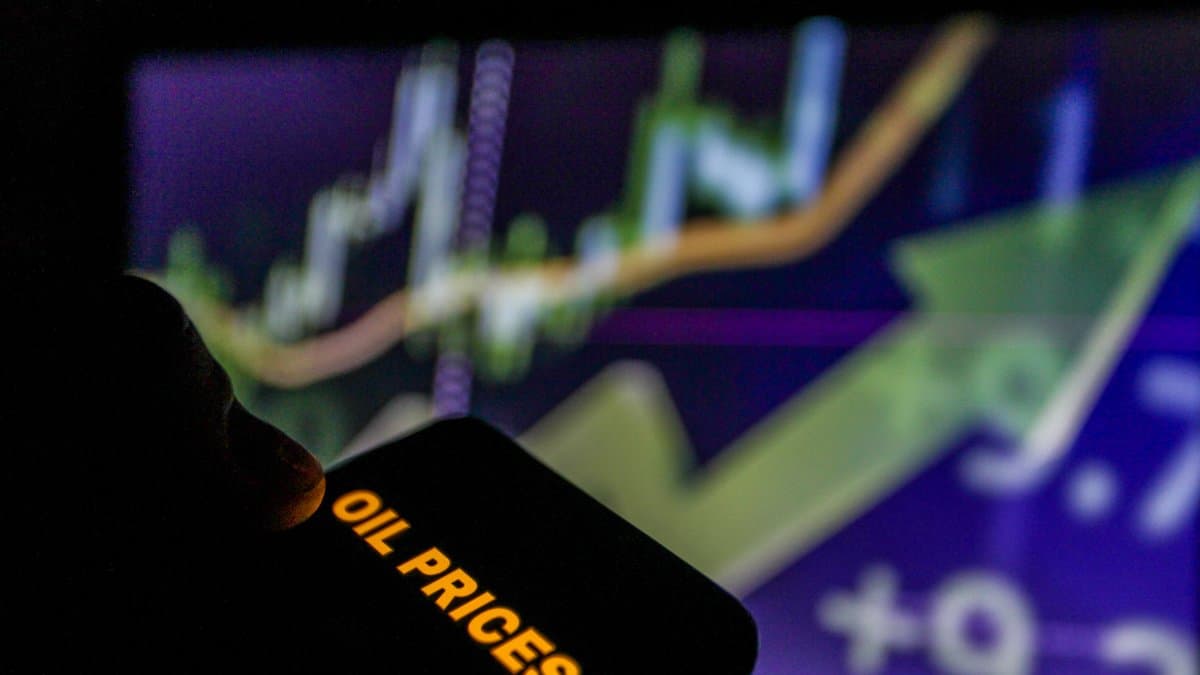
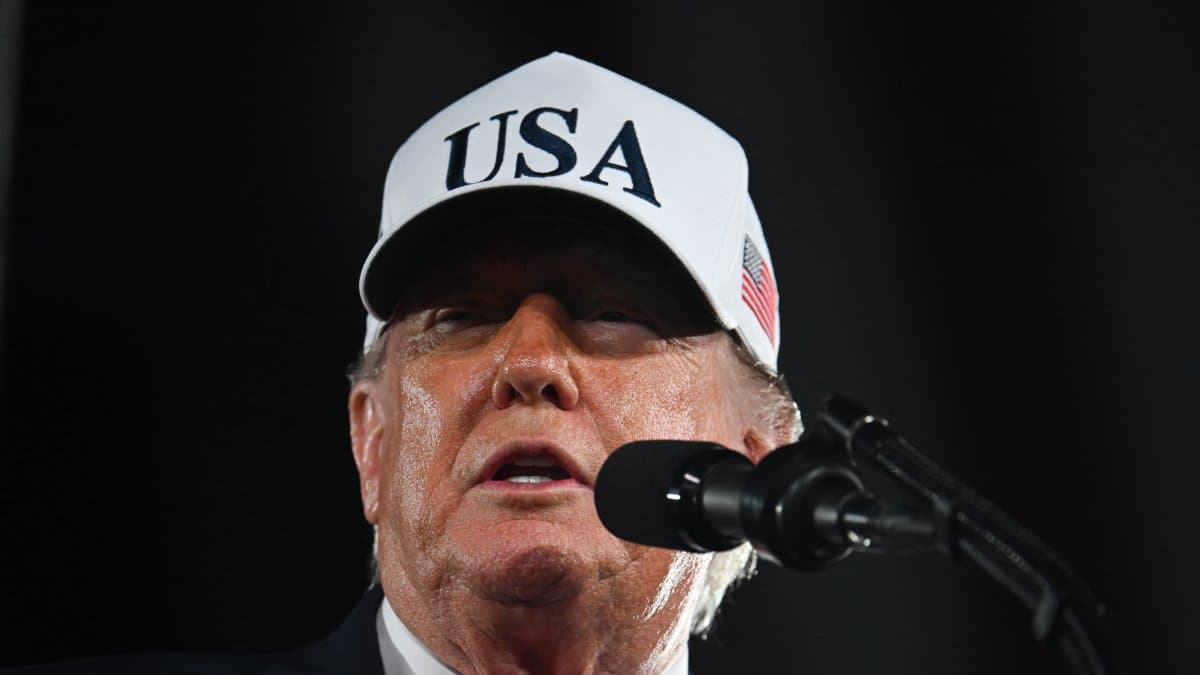
The prices of oil surge 5 percent in markets on Thursday after President Donald Trump announced sanctions against the two largest Russian oil companies, Rosneft and Lukoil.
The international benchmark contract, Brent North Sea crude, jumped 5.1 percent to $65.75 per barrel while West Texas Intermediate was up 5.2 percent at $61.53.
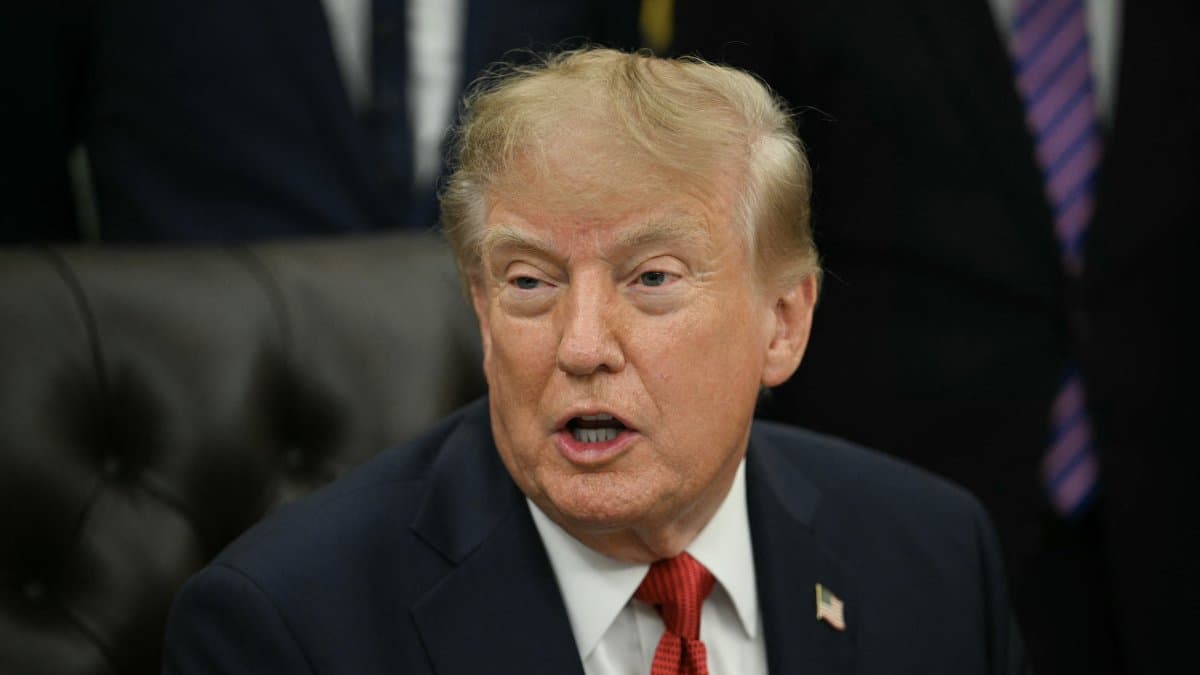
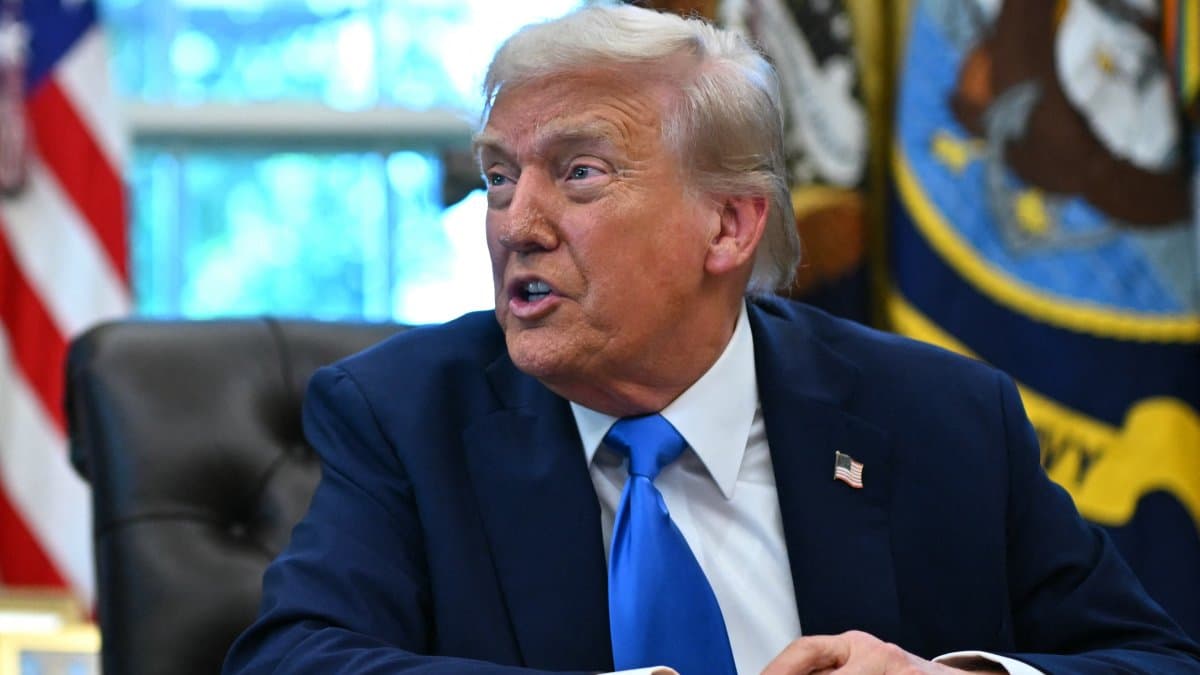
Speaking from Washington on Wednesday, Trump explained that he made the decision after expressing frustration with the Russian president over the lack of progress in efforts to end the war in Ukraine.
Treasury Secretary Scott Bessent called on U.S. allies to join the sanctions, which seek to directly affect the Kremlin's funding sources.
Sanctions against Moscow
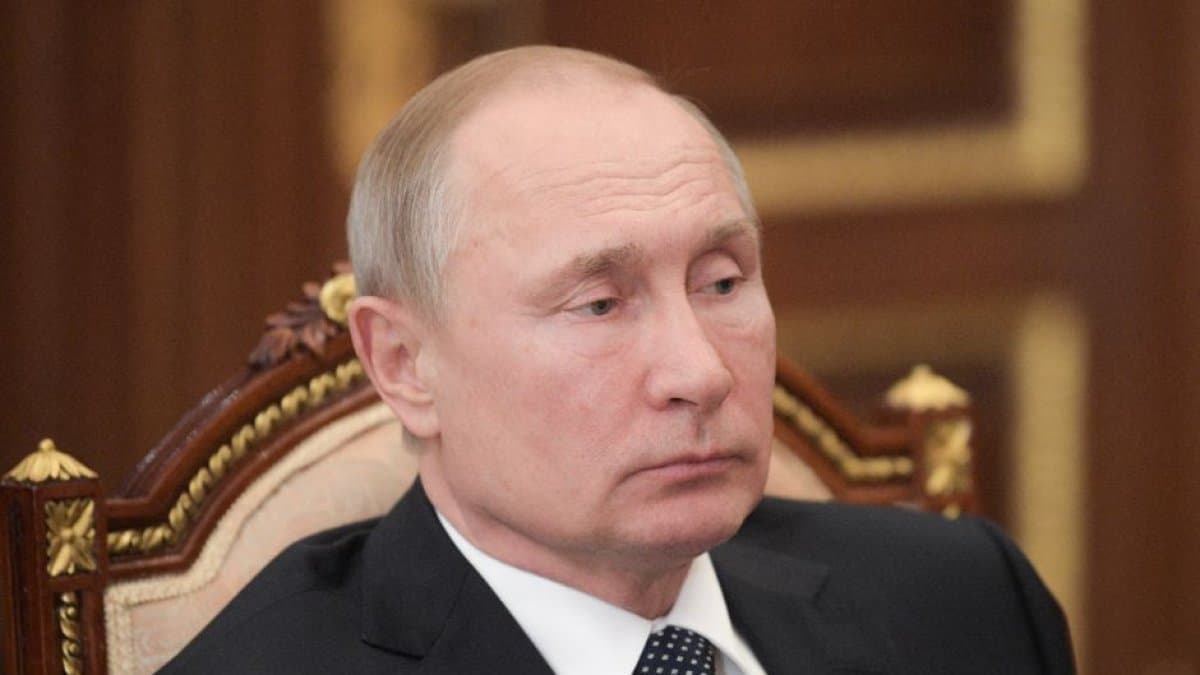
President Donald Trump on Wednesday expressed his unease with the Russian leader, Vladimir Putin, over the lack of progress in ending the war in Ukraine, and announced new sanctions against Moscow that will affect that country's oil majors.
The European Union (EU) also introduced a new round of sanctions aimed at pressuring the Kremlin to end its invasion, which has now lasted more than three and a half years, AFP reported.
Trump had delayed imposing measures against Russia for months, but, he explained, his patience ran out after plans for a summit with Putin in Budapest fell apart.
"Every time I talk to Vladimir, I have good conversations, and then they go nowhere," the president said in the Oval Office. "These are tremendous sanctions. They're very big against your two big oil companies - and we hope they don't last long. We hope the war will be resolved."
World
"That’s a big step": Trump announced that India will stop buying oil from Russia
Luis Francisco Orozco
The measures include freezing the U.S. assets of Rosneft and Lukoil, Russia's two largest oil companies, as well as prohibiting U.S. companies from doing business with them.
Treasury Secretary Scott Bessent noted that this is "one of the largest sanctions" imposed against Russia.
"Given President Putin’s refusal to end this senseless war, Treasury is sanctioning Russia’s two largest oil companies that fund the Kremlin’s war machine," he said in a statement.
Trump, who postponed his meeting with Putin because he did not want a "wasted" encounter, was disappointed by the lack of progress, although he did not rule out a new attempt at dialogue. The Kremlin, for its part, assured that preparations for the summit are continuing.
For his part, Secretary of State Marco Rubio said Washington "will always be interested in getting involved if there is an opportunity to achieve peace."
.@POTUS: "These are tremendous sanctions. These are very big against their two big oil companies — and we hope that they won't be on for long. We hope that the war will be settled." https://t.co/6vbswraYmV pic.twitter.com/FONI7ECFAw
EU hardens its position
Almost simultaneously, the European Union announced its 19th sanctions package since the start of the Russian invasion in February 2022, focused on reducing Moscow's funding from oil and gas.
The 27-nation bloc advanced that it will ban the import of Russian liquefied natural gas from 2027 and sanction more than 100 vessels in the so-called tanker ghost fleet. It will also restrict travel by Russian diplomats suspected of espionage.
"Peace can only be achieved by force and by exerting maximum pressure on the aggressor using all available international instruments," Ukrainian Ambassador to the United States Olga Stefanishina said.
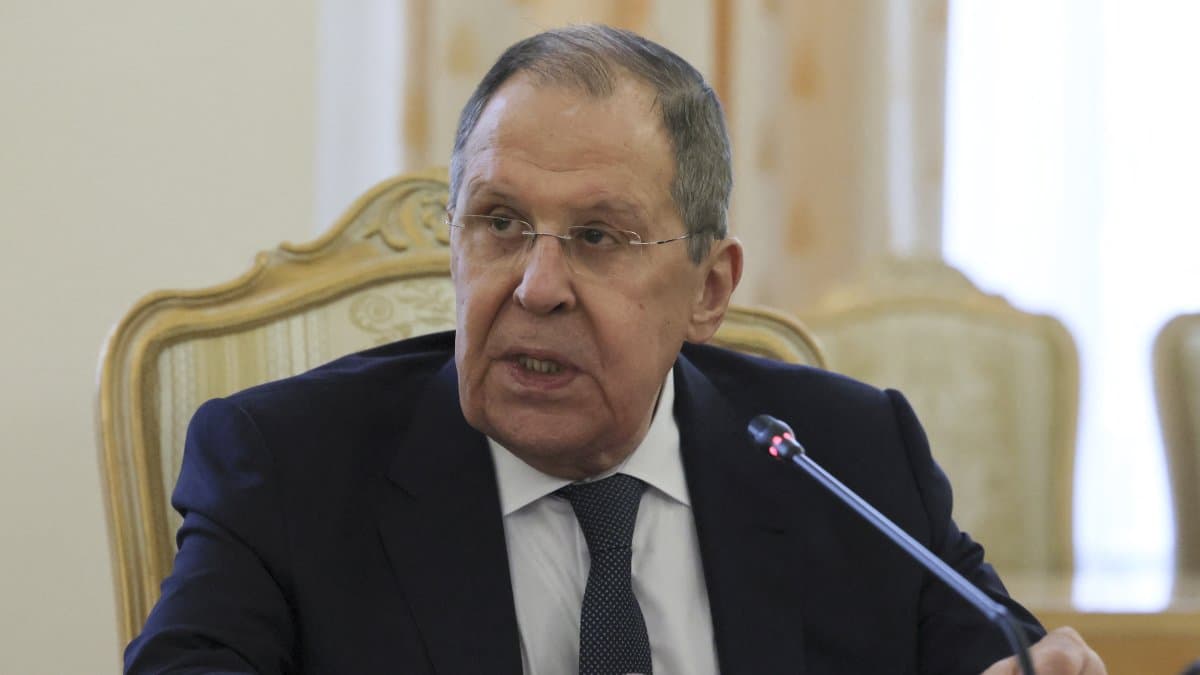
European leaders are expected to formally approve the new sanctions this Thursday at a meeting in Brussels that will be attended by Ukrainian President Volodimyr Zelensky.
🛠 Do you think there is an error in this article?
Recommendations

LATEST