Trump dismisses Iran's ceasefire plan to reopen the Strait of Hormuz and resume nuclear talks
Trump, however, left the door open by stating that he remains willing to negotiate. "They want to make a deal, and I think that's fine, I like making a deal too. But that deal would not be acceptable."
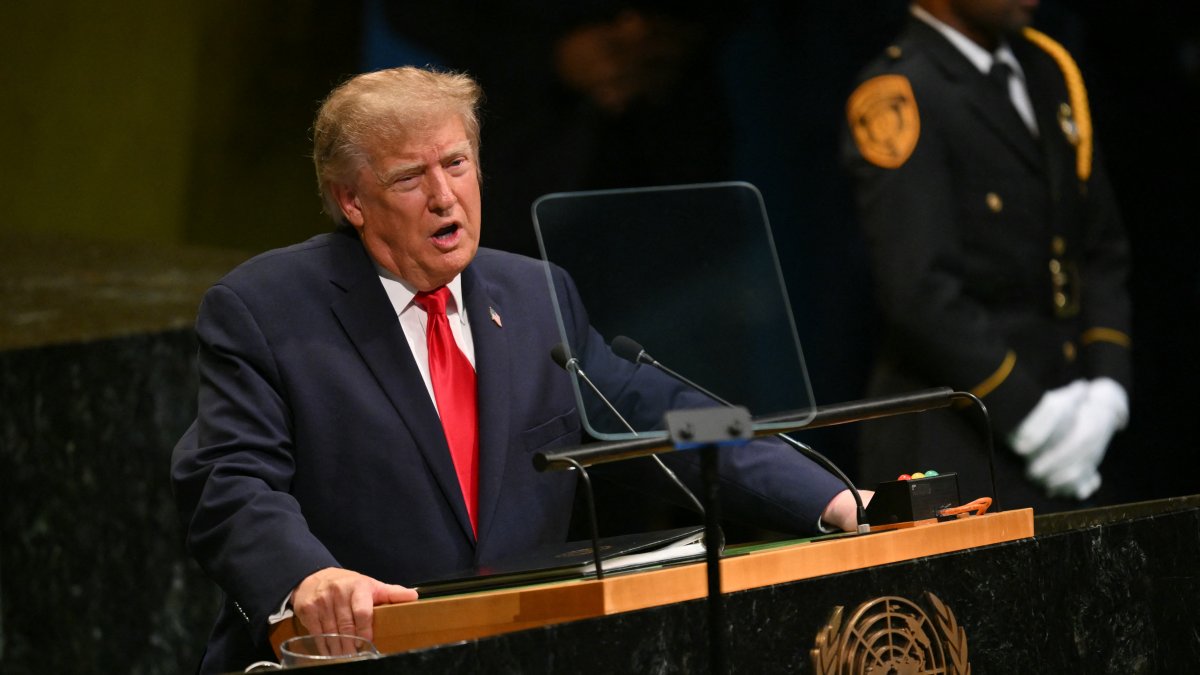
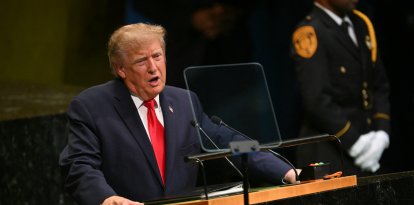
President Donald Trump at the UN

President Donald Trump confirmed Saturday that he rejected Iran's latest proposal for a ceasefire, which called for the reopening of the Strait of Hormuz and the resumption of negotiations on Iran's nuclear program in exchange for a series of concessions from the United States.
"They made a proposal, but I rejected it," Trump told reporters as he left the White House.
When asked if he plans to resume military strikes after the November midterm elections, Trump avoided giving a direct answer. The war in Iran, along with inflation and the cost of living, is one of the most unpopular issues in the current election campaign.
Later, President Trump stated that Iran is seeking "to make a deal where they open the strait immediately because they're losing so badly," and suggested that the regime is trying to drag out the conflict until after the election in the hope of politically harming him and the Republican Party.
The rejection came just days after U.S. advisers held a three-hour meeting with Iranian officials during the UN General Assembly in New York. There, Trump had been categorical in his own speech, issuing an ultimatum to Tehran: either negotiate or face "annihilation."
"Will a deal be made with Iran that lets them rebuild and create a far greater country than it ever was before — maybe one of the greatest in the Middle East or even the world? Or do I annihilate the Islamic Republic and do it quickly, never giving them a chance to kill and destroy people and countries again?" he asked the Assembly.

The Iranian foreign minister, Abbas Araghchi, outlined on Thursday the terms of the proposal that Trump ultimately rejected. He said the seven-point plan was virtually identical to the memorandum of understanding both countries reached in June, before the agreement quickly fell apart. The offer called for a seven-day ceasefire, including in Lebanon, in exchange for Washington releasing at least $12 billion in frozen Iranian assets, lifting sanctions on Iranian oil, and suspending the naval blockade of the country. The Strait of Hormuz would reopen only on the last day of that week, and from that point on, talks on Iran's nuclear program would resume. Araghchi added that he would prefer to reach an agreement before the U.S. midterm elections.
Trump, however, left the door open by stating that he remains willing to negotiate. "They want to make a deal, and I think that's fine, I like making a deal too," he said. "But that deal would not be acceptable."
The closure of the Strait of Hormuz, one of the most important maritime routes for the global transport of oil and gas, has already sent global energy prices soaring since the conflict began nearly seven months ago, amid bombings, failed peace proposals, and mutual threats between the two countries.
LATEST