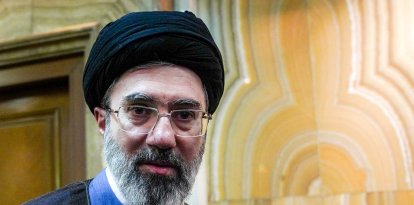
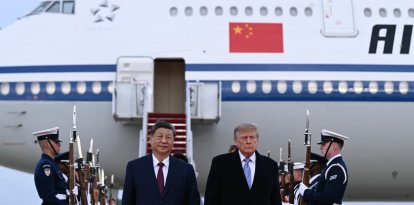
'Iran and Cuba have used terrorism as tool for geopolitical influence': Security expert analyzes Trump's challenges with Tehran, Havana on 'Voz News'
Achá also questioned the Iranian regime's rhetoric during the General Assembly and rejected Tehran's portrayal of itself as a victim of terrorism.
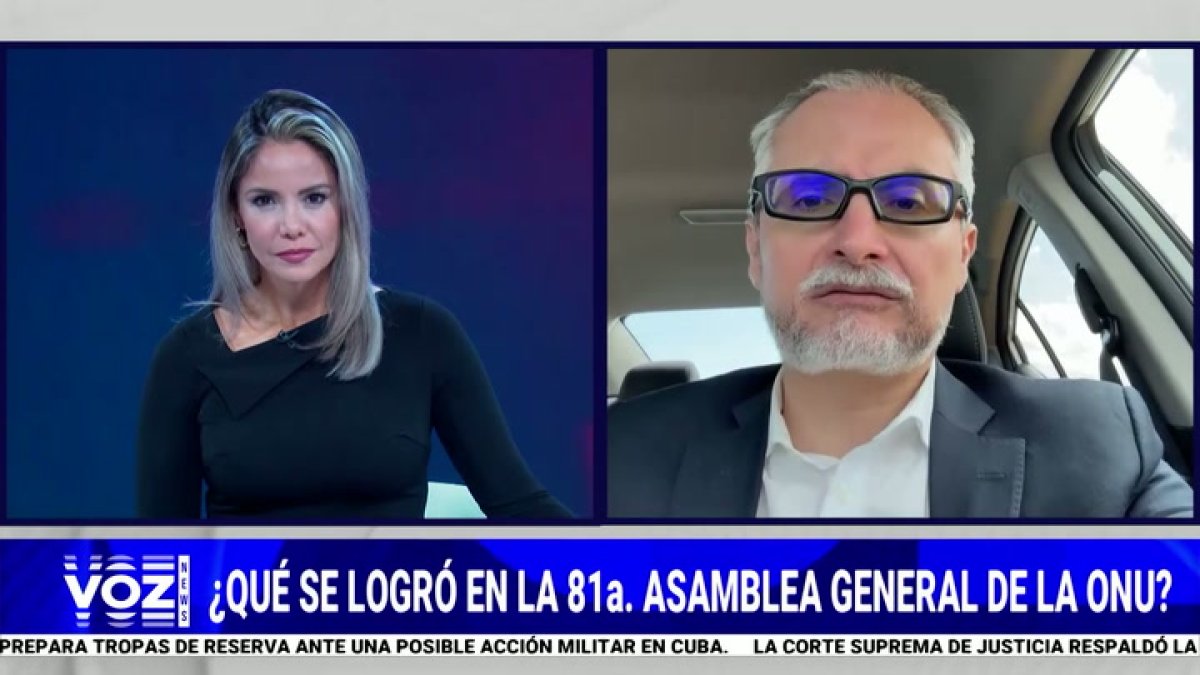
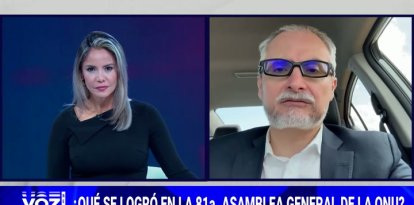
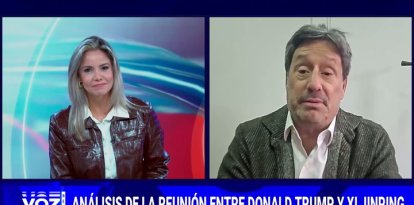
Hugo Achá on Voz News.
Political analyst and security and defense expert Hugo Achá analyzed the main events of the United Nations General Assembly this Friday on "Voz News," with special emphasis on Iran and its role on the international stage . During an interview with the news program's anchor and executive director, Karina Yapor, Achá also addressed the situation in Cuba, the crisis in the multilateral system and the new global geopolitical landscape.
In analyzing the role of Tehran and Havana on the international stage, Achá argued that both countries have used terrorism as a tool for exerting pressure and projecting geopolitical influence. "Along with Cuba, Iran has likely been one of the greatest promoters of terrorism as a weapon for geopolitical projection, pressure and extortion," the analyst stated.
Achá also questioned the Iranian regime's rhetoric during the General Assembly and rejected Tehran's portrayal of itself as a victim of terrorism. "Israel has nuclear capabilities. I don't recall a single occasion when an Israeli leader has threatened another state with annihilation. I don't recall it," he noted, before adding that "Iran speaks openly about its goal of annihilating Israel."

When asked whether Tehran could be trusted to reach agreements with the West, the security expert said, "The short and precise answer is no, but not as a matter of good faith, but rather as a matter of strategy and doctrine." According to Achá, since the rise of Islamic fundamentalism to power, Iran has adopted "the concept of protracted war and the use of all means at its disposal to wage that war against the United States and the West."
Cuba as a threat to the U.S. and an increasingly polarized U.N.
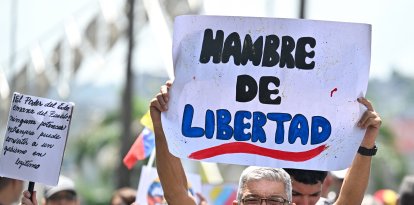
Regarding Cuba, Achá maintained that President Donald Trump's administration has already strategically defined the island as a threat to U.S. security. "Finally, the recognition of Cuba as a concrete, real threat to the strategic security of the United States," said Achá, who noted that, in his view, the debate over Cuba is now primarily in a "tactical and operational" phase, after Trump suggested that the situation on the island could be addressed once military needs related to Iran had been met.
In another part of the interview, Achá described the current General Assembly as one of the most significant in recent years due to "a radical change in the world order." He also highlighted Trump's speech and noted that the United States has once again assumed the role of a global power.
Regarding the United Nations, he noted that there is growing polarization and questioned the organization's ability to respond to the new international landscape.
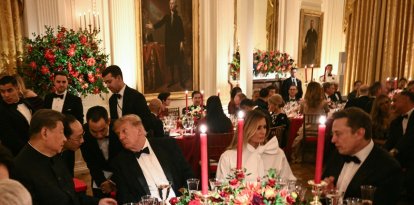
Referring to China, Achá highlighted a shift in Beijing's rhetoric and noted that it is now "once again speaking of the United States and China as partners and complementary forces," in a context in which, according to his analysis, Latin America is becoming increasingly important.
You can watch the full interview by clicking on the video below.
LATEST