Ecuador dismantles network linked to Jalisco New Generation Cartel with US support
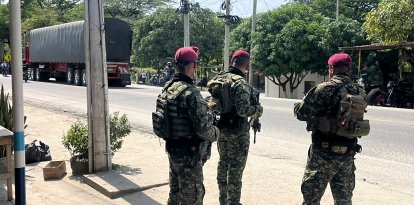
The operation resulted in at least 30 arrests and involved more than 300 Ecuadorian police officers, DEA agents and members of the U.S. Southern Command.
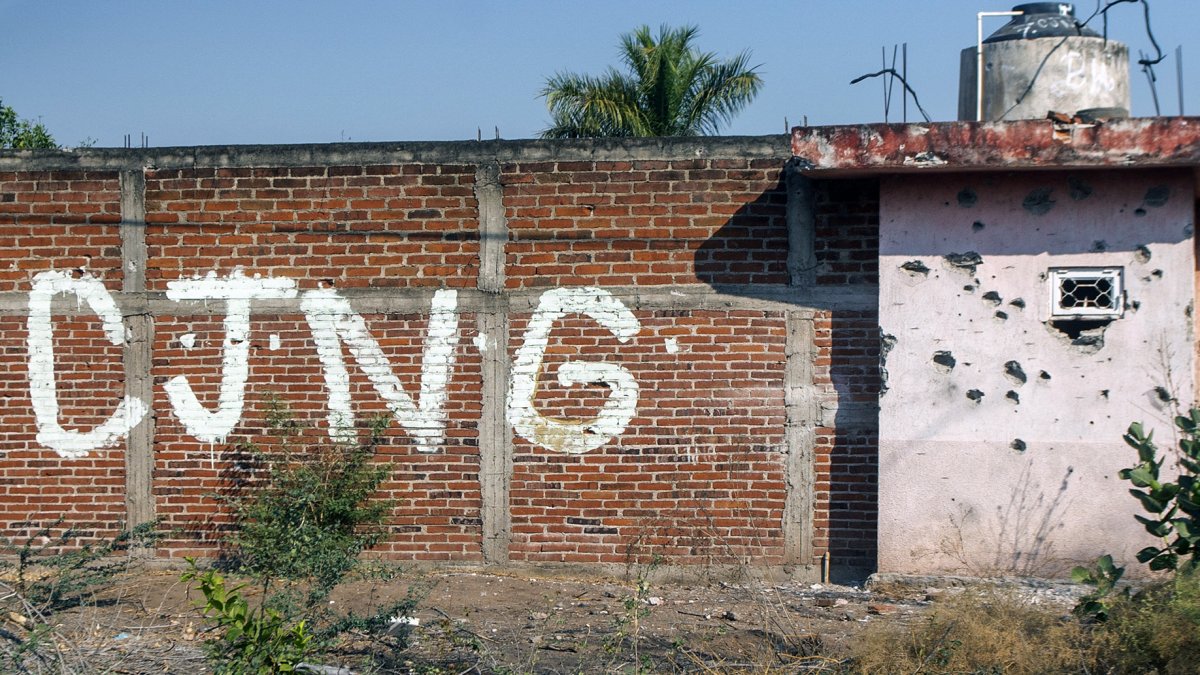
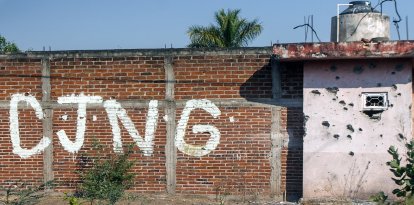
Graffiti by the Jalisco New Generation Cartel. File photo

Authorities in Ecuador dismantled an organization Thursday dedicated to drug trafficking and allegedly linked to the Jalisco New Generation Cartel (CJNG), in an operation carried out with U.S. support that resulted in at least 30 arrests, according to AFP.
Ecuadorian Interior Minister John Reimberg reported that the operation was carried out in the early morning hours with the participation of the National Police, the Drug Enforcement Administration (DEA), and U.S. forces.
"Leaders, financiers and an entire drug trafficking network with direct ties to the Jalisco New Generation Cartel were taken down early this morning," Reimberg said in a post on X cited by Ecuadorian media.
According to authorities, more than 320 Ecuadorian police officers and about 50 members of the Southern Command participated in the operations carried out in several locations, including Guayaquil, Samborondón and Machala.
The organization is believed to be primarily involved in smuggling cocaine produced in Colombia to international markets, using the Ecuadorian ports of Guayaquil and Machala.
Joint operations with the U.S.
.The operation took place one day after the Ecuadorian military, in cooperation with U.S. Southern Command, killed a man known by the alias "Charlie," whom the government identified as a logistics and financial operator for international drug trafficking networks.
Defense Minister Gian Carlo Loffredo noted that "Charlie" belonged to Los Choneros, maintained ties to the Colombian Oliver Sinisterra Front and had connections to the CJNG.
"This is the result for those who seek to threaten Ecuadorians and for those who believe they can finance crime from anywhere in the world," wrote President Daniel Noboa when announcing the operation.
Anti-drug cooperation between Washington and Quito has intensified in recent months. In August, the DEA officially confirmed another series of coordinated operations in Ecuador—supported by the American agency and U.S. Southern Command—against networks linked to Los Lobos and Los Choneros, which are responsible for international cocaine trafficking.

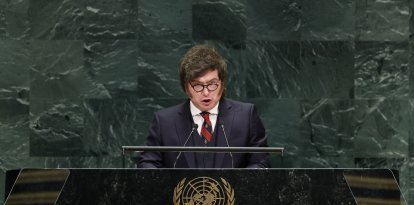
Ecuador is facing a profound security crisis linked to criminal organizations primarily engaged in drug trafficking. Noboa has advocated for greater international cooperation to combat these networks and, during his address this week to the United Nations General Assembly, called for strengthening mechanisms to track and freeze their financial flows.
LATEST