United Airlines CEO proposes wealth tax and inheritance taxes of up to 100%
The businessman made these remarks during an interview with The New York Times, in which he argued that these policies would help combat inequality in the United States.
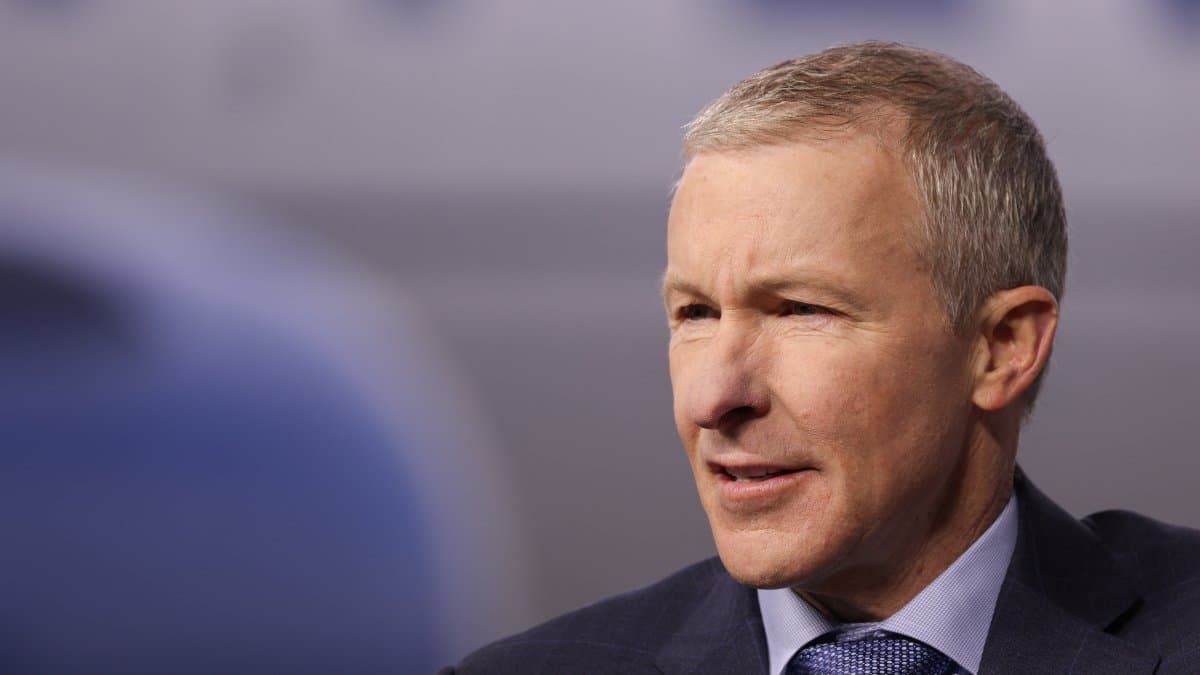

Scott Kirby, CEO of United Airlines, proposed establishing a national wealth tax and raising the taxes paid on a person's estate upon death to levels approaching 100% in certain cases. The executive made these remarks during an interview with The New York Times, in which he argued that these policies would help combat inequality in the United States.
"Wealth inequality has become a danger to our society, and we need to address that," Kirby told the NYT. He then proposed a federal wealth tax and "inheritance taxes approaching 100% at some level," adding that he would pay them himself.
Regarding the wealth tax, he noted that it should not be implemented at the state level to prevent wealthier taxpayers from moving to other jurisdictions to avoid it.

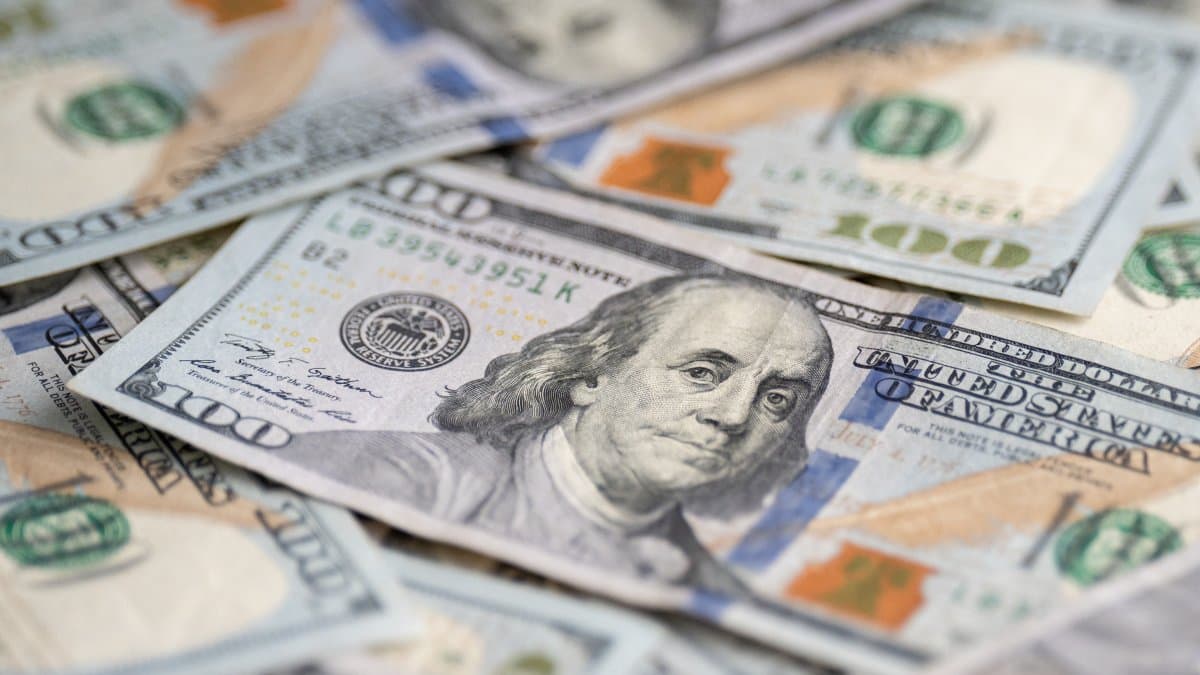
The United Airlines CEO's proposal would represent a major shift from the current tax system. According to the Internal Revenue Service (IRS), inheritances are currently subject to a federal tax that applies only to estates worth more than $15 million per person. On the portion that exceeds that threshold and is subject to the tax, the maximum tax rate is 40%.
Also during the interview with the Times, Kirby defended the additional fee for certain seats on airplanes, after being asked about the cost that non-frequent-flyer passengers must pay to avoid middle seats: "There are some customers who want to sit in a window seat or a better seat, and that costs money to deliver."
Kirby's remarks add to the debate over how to tax large fortunes. For example, in March 2026, Senator Bernie Sanders and Congressman Ro Khanna introduced a bill to establish a 5% annual tax on the wealth of billionaires, with the goal of raising approximately $4.4 trillion over 10 years. The bill specifically targets individuals with a net worth exceeding $1 billion.
"At a time of unprecedented income and wealth inequality, this legislation demands that the billionaire class in America finally pay their fair share of taxes so that we can create an economy that works for all of us, not just the 1%," Senator Sanders said of his proposal.
🛠 Do you think there is an error in this article?
Recommendations






LATEST