One in five renters had trouble paying their full rent in 2025
Rent pressure was particularly widespread among middle-income households: 21.6% had difficulty paying on time during the year, compared to 14.3% in 2024.
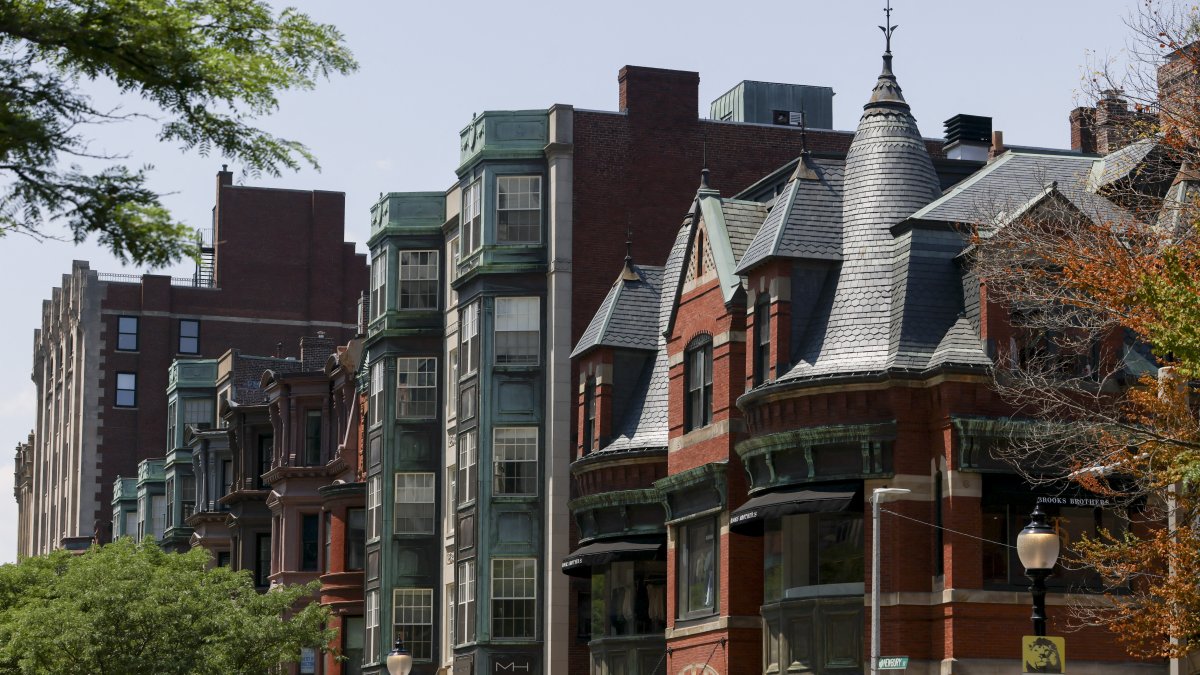
Historic brick buildings line a street in Boston's Back Bay neighborhood

One in five working-age renters in the country had trouble paying their full rent or made at least one late payment in 2025, a sign that the pressure from the cost of housing is increasingly affecting middle-income households.
A new report from the Urban Institute, published this week, revealed that 20% of renters between the ages of 18 and 64 reported having missed a rent payment entirely or partially, or having paid it late, because they could not afford it. In 2024, that proportion was 16.5%.
This is the highest percentage recorded since the Well-Being and Basic Needs Survey began tracking this metric, according to the researchers.
The sharpest decline among the middle class
The sharpest increase occurred among middle-income renters.
In that group, the percentage of people having difficulty paying rent jumped from 14.3% in 2024 to 21.6% in 2025. The Urban Institute defines a middle-income adult as someone earning approximately $31,300 to $62,600 annually, or a family of three with an income between $53,300 and $106,600.
Lower-income households continued to be the hardest hit in absolute terms: 27.8% had trouble paying rent in 2025. However, the institute emphasized that the sharp increase among middle-income households represents one of the major changes observed over the past year.
Samantha Batko, a researcher at the Urban Institute and co-author of the report, argued that this deterioration reflects a broader problem of housing affordability in the United States.
The study also identified difficulties in paying other basic household expenses. 20.7% of working-age renters were unable to fully cover their heating and electricity bills at some point in 2025.

Rent continues to consume a significant portion of income
Federal data also show the strain that housing places on family budgets.
The U.S. Census Bureau reported that the median gross rent—which includes rent and utilities—reached $1,487 per month in 2024, a 2.7% increase from the previous year. Renter households spent a median of 31% of their income on rent and utilities.
More recent data from the American Community Survey also show that, when comparing the 2015–2019 and 2020–2024 periods, the median monthly rent increased by about $100, reaching $1,413 in the national five-year estimates.
Unlike renters, the Urban Institute found that the proportion of homeowners who experienced difficulty paying their mortgage has remained relatively stable over the past seven years.
The report is based on a nationally representative survey that currently includes more than 10,000 adults and analyzes, among other indicators, housing, income, food, health and financial security.
LATEST