Melinda French Gates: How Bill Gates' ex-wife spends her enormous fortune
In 2024, she concluded nearly 24 years at the helm of the foundation that bore her surname alongside Bill Gates'. Today, she decides on her own how to allocate her funds, and an increasing portion is going toward contraception, maternal care and menopause in the United States.
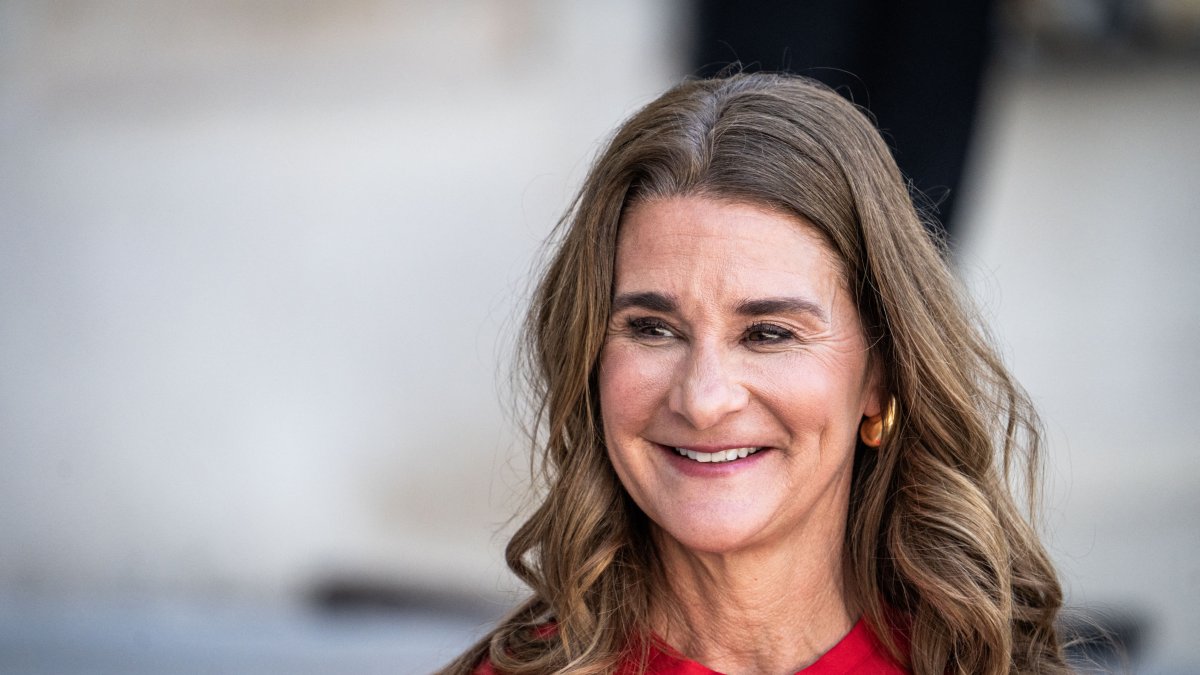
Melinda French Gates

Since leaving the co-chair role at the Gates Foundation in 2024, Melinda French Gates has built a philanthropic apparatus of her own with real power to impose her agenda in the United States.
This is not an abstract debate: Bill Gates’s former wife has committed hundreds of millions of dollars to fund clinics, train doctors, and promote controversial causes involving contraception, maternal health, and gender. These initiatives can influence healthcare priorities and shape public debate.
Who she is today
Melinda French Gates stepped down in 2024 as co-chair of the Gates Foundation, a role she had shared with Bill Gates for nearly 24 years. Since then, she has focused her efforts on Pivotal, the philanthropy and investment organization she founded to accelerate what she considers progress for women and young people in the United States and around the world. The decision brought to a close the joint institutional chapter that had survived, at least formally, their 2021 divorce.
This new phase is funded largely by transfers that Bill Gates has made to her following the separation to support her philanthropic work, Forbes has estimated the total of those contributions to her foundations at more than $10 billion, and with her own wealth.
Estimates of her net worth vary by source: Bloomberg put it at about $20 billion, while Forbes estimated it of roughly $30 billion. The common thread is that she now operates as an independent donor, with an almost exclusive focus on women’s health and economic independence.
The numbers that matter
- Melinda French has allocated more than $600 million to women's health over the past two years.
- In June 2026, she announced an additional $215 million for contraception, maternal care and mental health related to pregnancy, and, for the first time in a prominent way, menopause.
- Of that package, $10 million is going to the Menopause Society in the U.S. to train doctors and expand care where it is virtually nonexistent.
This funding goes to clinics, physician training, and perinatal mental-health programs, steered toward priorities set by one billionaire donor rather than by voters.
What's changing in practice in the United States
- Menopause with a big check: For decades, the issue was left off major philanthropic agendas. French Gates has put it on the list of priorities with funding and a public op-ed in The New York Times. If other donors and insurers follow suit, the impact will be felt in primary care and gynecology practices.
- Contraception: Following the overturning of Roe v. Wade, she had already shifted funds toward organizations that support access to contraception and pregnancy care. The new grants reinforce this focus in restrictive states and at community clinics.
- One Donor, One Focus: Unlike the Gates Foundation (global health, vaccines, poverty), Pivotal focuses almost entirely on women. This gives her real power to shape what is researched and funded in women's health in the U.S.
- Local presence: In June 2026, she became a minority investor in the Seattle Kraken. She is a key figure in the city where she lives, outside the purely philanthropic sphere.
The 10-minute habit
In interviews and in her 2025 book "The Next Day: Transitions, Change, and Moving Forward," she links it to the early years of motherhood and her divorce from Bill Gates in 2021, which she describes as one of the most difficult transitions she has ever gone through.
LATEST