More than half of U.S. kindergarten students unprepared for grade school in five states: GAO
The cost of COVID? The GAO discovered major differences in readiness rates based on students’ backgrounds and where they attended school. The watchdog examined data from Connecticut, Florida, Kentucky, Maryland, and Ohio. Other researchers have pointed at the COVID-19 shutdown as a likely cause.
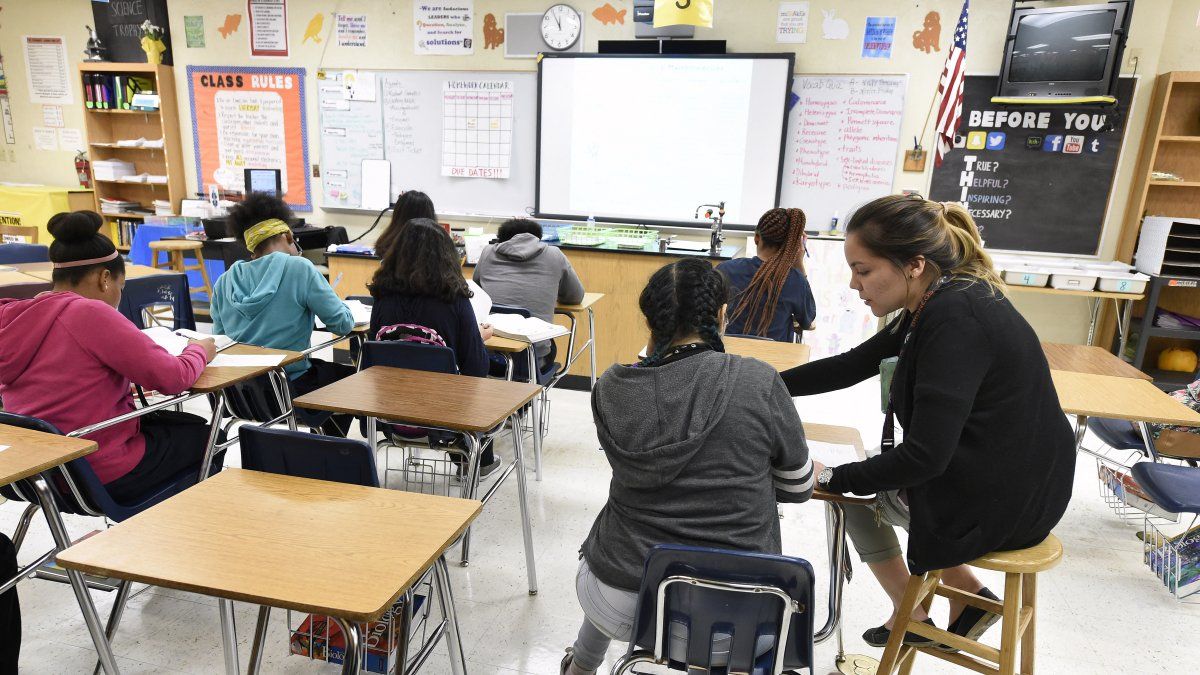
Imagen referencial de colegios
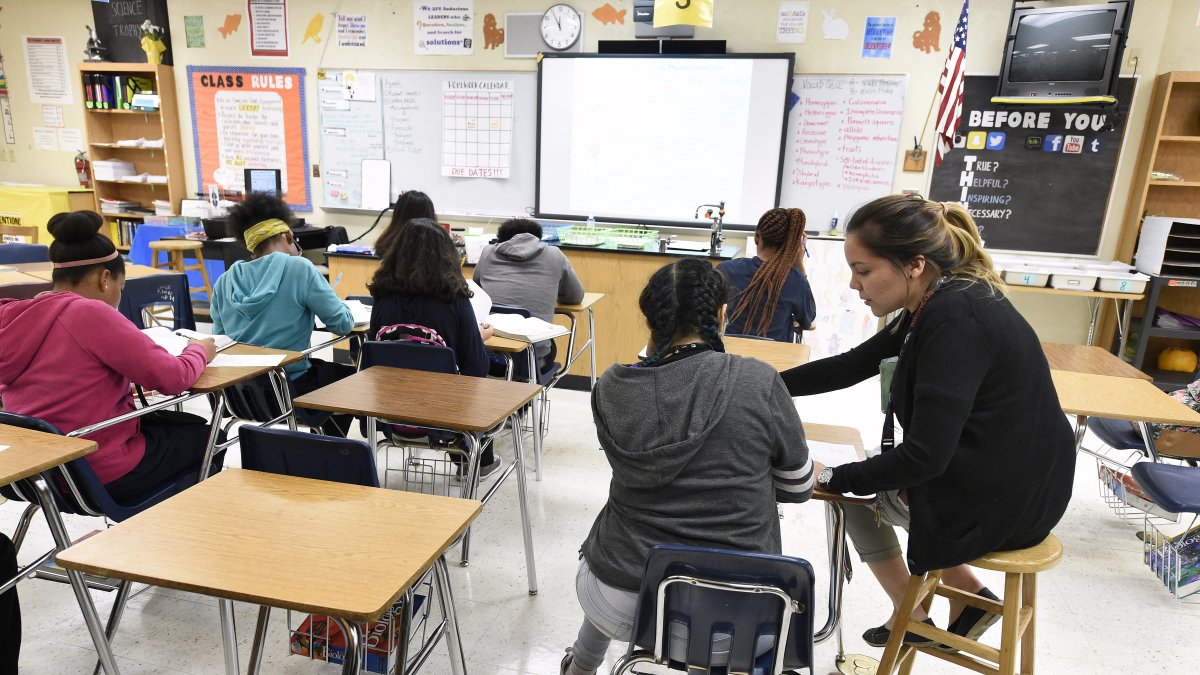
More than half of kindergarten students were not considered ready for grade school in five states the Government Accountability Office examined, according to a new report released this week. The GAO examined kindergarten readiness data from Connecticut, Florida, Kentucky, Maryland, and Ohio in the report.
The watchdog discovered major differences in readiness rates based on students’ backgrounds and where they attended school.
Children lacking foundational skills
In all five states, "fewer than half" of students met their state’s readiness benchmarks, raising concerns about the foundational skills children brought with them when they entered elementary school.
Ohio recorded the lowest readiness rate with 37% of kindergarten students considered ready during the 2024-2025 school year, while Florida reported 43% and Kentucky recorded 46%.
Maryland reported that 44% of students were ready during the 2023-2024 school year. The state did not administer a kindergarten entry assessment during the following school year. Connecticut did not report an overall readiness percentage, but the state found that between 41% and 56% of students were ready across six developmental areas.

Politics
School choice, investments, crime reduction: Trump touts his policies in Mississippi
Joaquín Núñez
“Less than half of students were ready for kindergarten in each of the five selected states,” the GAO said in its key findings.
Correlation between ethnic background, economic status and test performance
The report also found substantial differences among student demographic groups. Across the states examined, Asian and white students, along with students who were not economically disadvantaged, generally had the highest kindergarten readiness rates.
English learners and students with disabilities generally recorded the lowest rates, the GAO noted.
The watchdog found that school districts with higher poverty levels generally had lower kindergarten readiness rates in Connecticut, Florida, Kentucky and Ohio.
Researchers did not find a statistically significant association between district poverty levels and kindergarten readiness in Maryland, the report said. Preschool enrollment was also associated with stronger readiness outcomes in some states.
Districts with higher percentages of students enrolled in public or private preschool were associated with higher kindergarten readiness rates in Connecticut, Kentucky and Ohio. The GAO did not find a statistically significant association in Florida or Maryland.
The findings were consistent with the agency’s review of 11 research studies examining the relationship between publicly funded preschool programs and kindergarten readiness. “Ten of the 11 studies we reviewed suggest that publicly funded preschool programs positively affected kindergarten readiness in literacy, math, or both,” the report stated.
Historical data tells a story of decline
The agency said its analysis was based on available state assessment data, including 2024-2025 information from Connecticut, Florida, Kentucky and Ohio and 2023–2024 data from Maryland.
Data from the Cincinnati Children's Hospital Medical Center shows that after the COVID-19 shutdown, “This means that 7 of every 10 children in the Cincinnati Public Schools were considered not ready to learn when they entered kindergarten during the pandemic. This trend was even more pronounced among the more-disadvantaged, Medicaid-covered children we see in our primary care clinics,” wrote the study’s lead author, Kristen Copeland, MD, Division of General and Community Pediatrics.
The Cincinnati study showed that ten studies identified positive associations between publicly funded preschool and kindergarten literacy scores, while seven studies that examined math scores also found positive associations. Only 30% (or 3 in 10) of Cincinnati Public Schools students were assessed as kindergarten-ready in 2021, a significant decline from 40% (or 4 in 10) assessed as ready in 2018.
Some research suggested the benefits extended beyond the children directly enrolled in preschool programs. One study examining Virginia’s expansion of public preschool for low-income families found that kindergarten literacy skills increased on average among all students in participating districts, including those who did not attend the program.
However, the GAO noted that the effects of preschool participation could diminish over time. One study examining Virginia preschool students found that their initial academic advantages decreased by approximately 75% by the end of first grade.
The agency also highlighted differences in how states measured kindergarten readiness. Connecticut relied on teacher observations, Florida administered computer-based assessments, and Kentucky, Maryland and Ohio used combinations of observations, questions and other assessments.
The assessments measured various developmental skills, including literacy, mathematics, language, physical development and social-emotional abilities.
The National Library of Medicine reported in October 2025 that while young children have largely been spared acute severe disease impacts of COVID-19, they are at "considerable risk for delayed socioemotional and academic outcomes because of compromises to their initial learning experiences."
The GAO warned that the readiness percentages should not be used to rank states because each state uses different assessment methods, benchmarks and reporting standards. “Because states vary in how they assess readiness, kindergarten readiness rates are not comparable across states,” the report said.
Originally published by https://justthenews.com/politics-policy/education/gao-report-found-fewer-half-kindergarten-students-were-school-ready-five. Author: Nicholas Ballasy. Read the original.
🛠 Do you think there is an error in this article?
Recommendations







LATEST