Rubio accuses global elites of exploiting international law and warns the ICC: 'Stop quoting laws to men with swords'
"Americans have never agreed to submit to the ICC’s authority, but that court and its allies in the global bureaucracy have appointed themselves judge and jury and executioner of the international order," Rubio said.
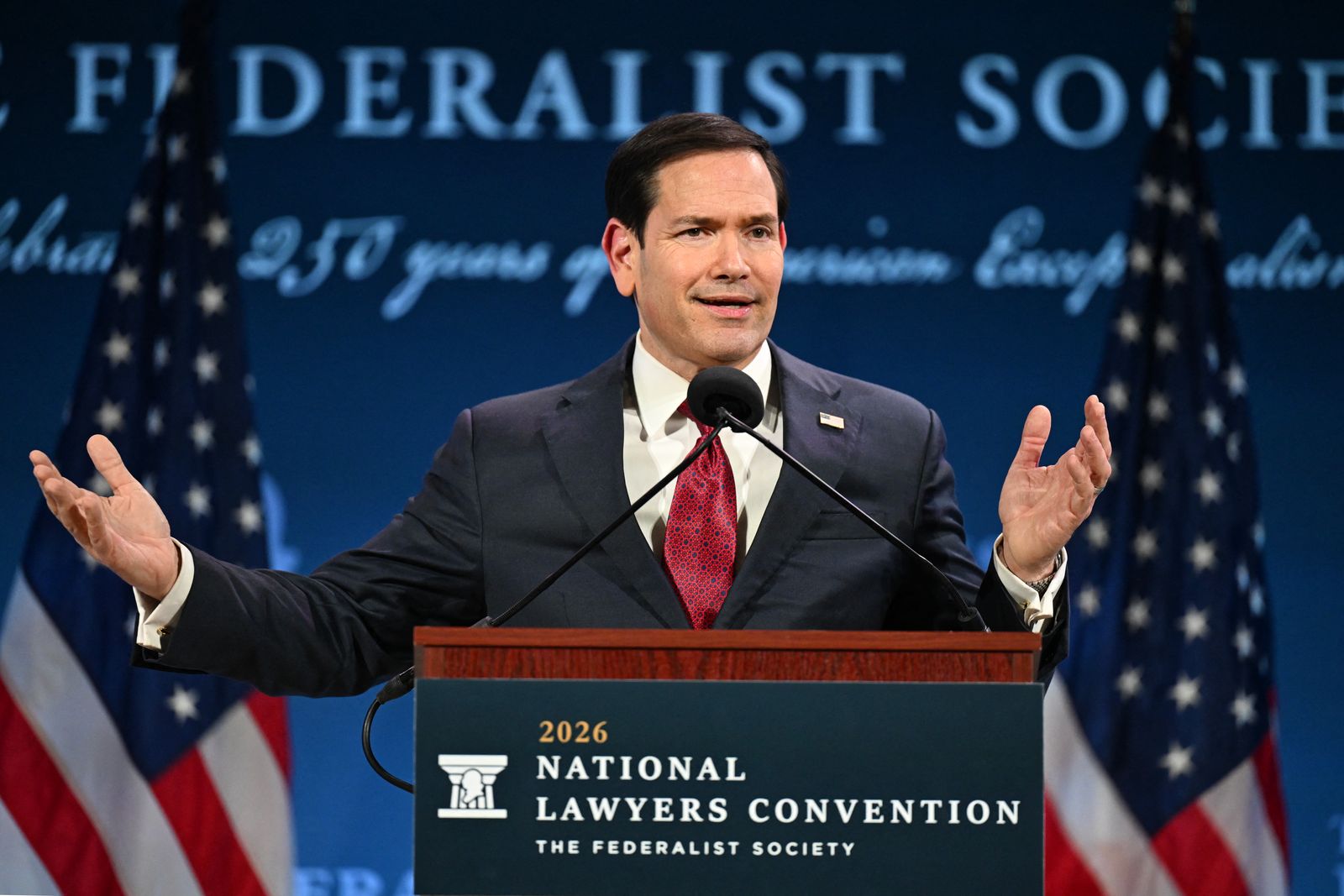
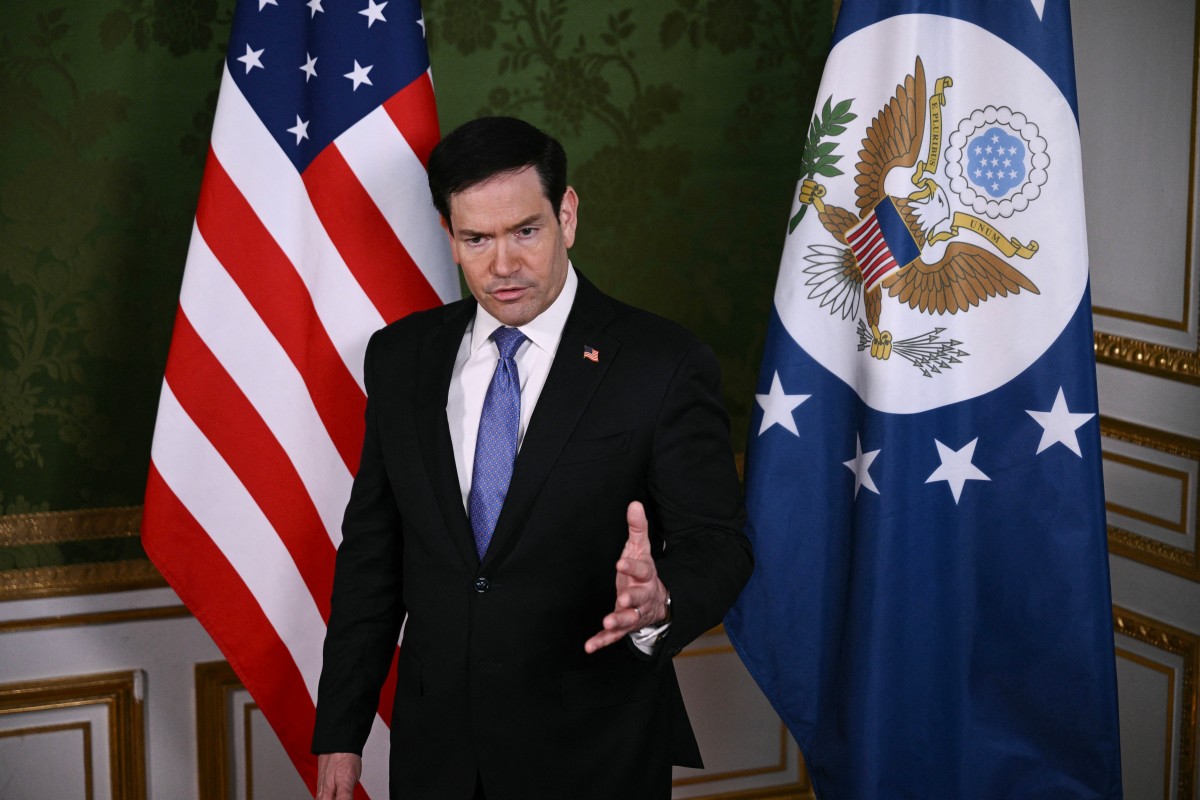
Marco Rubio at the Federalist Society's National Lawyers Convention

Secretary of State Marco Rubio accused the International Criminal Court (ICC) and much of the global bureaucracy on Friday of using international law as a tool to limit U.S. sovereignty. In a speech to the Federalist Society in Washington, Rubio argued that the United States will not recognize the jurisdiction of a court to which it has never submitted, and he warned of consequences if it attempts to prosecute U.S. citizens.
"Americans have never agreed to submit to the ICC’s authority, but that court and its allies in the global bureaucracy have appointed themselves judge and jury and executioner of the international order," Rubio stated. The secretary of state added that if the ICC were to attempt to impose its "paper decrees" on Americans, the response would be the same as that attributed to the Roman general Pompey: "Stop quoting laws to men with swords."
"Weaponization" of international law
Rubio denounced the "weaponization" of international law, a term he used to describe what he considers a political use of supposedly universal norms. According to the Secretary of State, these norms have been invoked against "nearly every major foreign policy decision" of the Trump administration, including operations against drug-trafficking vessels in the Caribbean and the capture of Venezuelan dictator Nicolás Maduro.
"For this global elite, international law is not a neutral body of rules," Rubio said. It is "an instrument to advance their interests under the pretense of universal principles."
The head of U.S. diplomacy also linked that criticism to activist courts within the United States, which he accused of attempting to govern through court orders. In his view, both phenomena share a common goal: to undermine a sovereign nation's ability to act.
Pressure on the ICC
The statements come weeks after the State Department announced sanctions against the ICC, with the stated aim of restricting its resources and operational capacity. In a statement on Oct. 9, Rubio said that President Donald Trump "will never allow" the ICC to prosecute Americans and that Washington is not subject to the court's jurisdiction.
Rubio reiterated that the ICC is an "unelected world tribunal" that seeks to place itself above the laws and constitutions of sovereign states, even those that have never acceded to its founding statute. The Trump administration has justified the sanctions based on the possibility that the court might prosecute U.S. officials or military personnel.
Sovereignty versus global jurisdiction
The speech was met with applause from the conservative audience and marks Rubio's first major address since the midterms. His criticism reinforced the Trump administration's stance of defending national sovereignty against international institutions which, according to Washington, lack democratic legitimacy and clear limits on their power.
🛠 Do you think there is an error in this article?
Recommendations




LATEST