After midterm victory, Texas Democrats launch offensive to dismantle state's pro-life protections
The bills introduced this week by Democratic lawmakers seek to eliminate measures ranging from a total ban on abortion and the six-week limit to parental notification requirements, although they will have to overcome opposition from a state Senate that remains under Republican control.
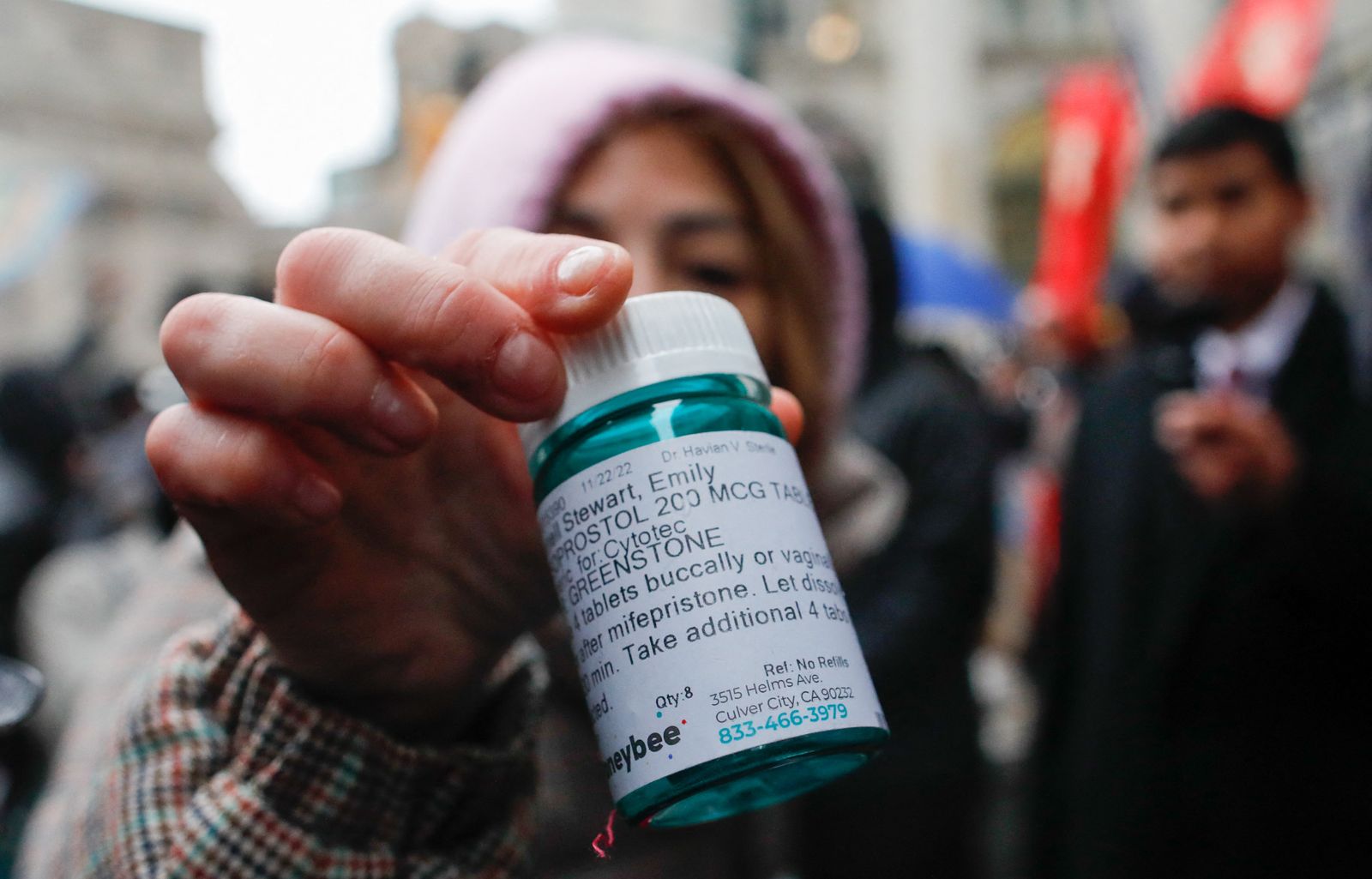
Illustration of an abortion

Following their victory in the 2026 midterms, several Democratic lawmakers from Texas introduced on Monday bills seeking to repeal or modify the state's current abortion restrictions. The initiatives range from the complete elimination of the bans to specific exceptions for cases of rape, incest or life-threatening conditions, according to a report by USA Today.
The legislative push comes amid a new political landscape for Texas. Democrats won the governorship and a majority in the state House of Representatives, although Republicans retain a majority in the Senate. This balance of power sets the stage for Democratic bills to face resistance in the state Senate.

Just the News
Justice Department pursuing investigation in 2022 Supreme Court abortion ruling leak: sources
Kevin Killough
The current legal framework
In Texas, abortion has been banned at any stage of pregnancy since 2022, when HB 1280—known as the "trigger law"—took effect. The law provides for only one exception: procedures necessary to save the mother's life.
Prior to that ban, the state had already passed, in 2021, SB 8, which restricts abortion after fetal heart activity is detected, generally around six weeks of gestation. This law also allows private citizens to sue abortion providers and those who assist in obtaining an abortion after fetal heart activity is detected.
In addition, Texas maintains a restriction dating back to 1925, predating Roe v. Wade, which prohibits abortion except to save the mother's life. The state also requires parental notification for minors, mandates waiting periods and prohibits partial-birth abortions.

The bills introduced
State Rep. Donna Howard (D-Austin) introduced HB 126, a comprehensive bill that would eliminate Texas's three main abortion restrictions: the 2022 ban (HB 1280, the so-called "trigger law"), the 2021 heartbeat law (SB 8) and the 1925 restriction predating Roe v. Wade.
In addition to repealing those three regulations, the bill would eliminate parental notification and consent requirements for minors, mandatory waiting periods, pre-abortion ultrasound requirements and other abortion-related restrictions. It would also repeal the 2023 state ban on gender-affirming medications and surgeries for minors (SB 14).
State representative-elect Samantha Lopez-Resendez (D-Austin) introduced HB 948, which would repeal the same three restrictions on abortion, but without including the additional changes in Howard's bill regarding parental notification, waiting periods or the ban on gender-affirming treatments for minors.
State Rep. Rhetta Bowers (D-Garland) introduced HB 987, which would repeal the 2022 ban and the 1925 restriction but maintain the six-week limit of the heartbeat law. The bill adds requirements for those receiving abortion pills, such as a prior medical examination and a follow-up visit scheduled within 14 days.
In the state Senate, Sen. Carol Alvarado (D-Houston) introduced SB 231, which would allow abortions in cases of rape or incest without requiring a police report or additional evidence to access the procedure.
State Sen. Molly Cook (D-Houston) introduced SB 243, which would allow abortions when two doctors agree that the fetus has a fatal condition. In cases after 24 weeks of pregnancy, the bill requires review by a multidisciplinary ethics committee. It also establishes palliative care standards for newborns with fatal conditions.
A debate that extends beyond the state
The bills introduced by Texas Democrats illustrate this polarization. While some seek to eliminate virtually all existing protections, others propose specific exceptions. The debate over abortion in Texas will remain one of the most controversial issues in state and national politics in the coming years.
🛠 Do you think there is an error in this article?
Recommendations





LATEST