This is how Trump controls Delcy Rodríguez's regime's finances: Venezuela received more than $12 billion under White House oversight
The mechanism works on a simple principle: The money remains Venezuelan, but the interim regime led by Delcy Rodríguez cannot touch it without U.S. permission.
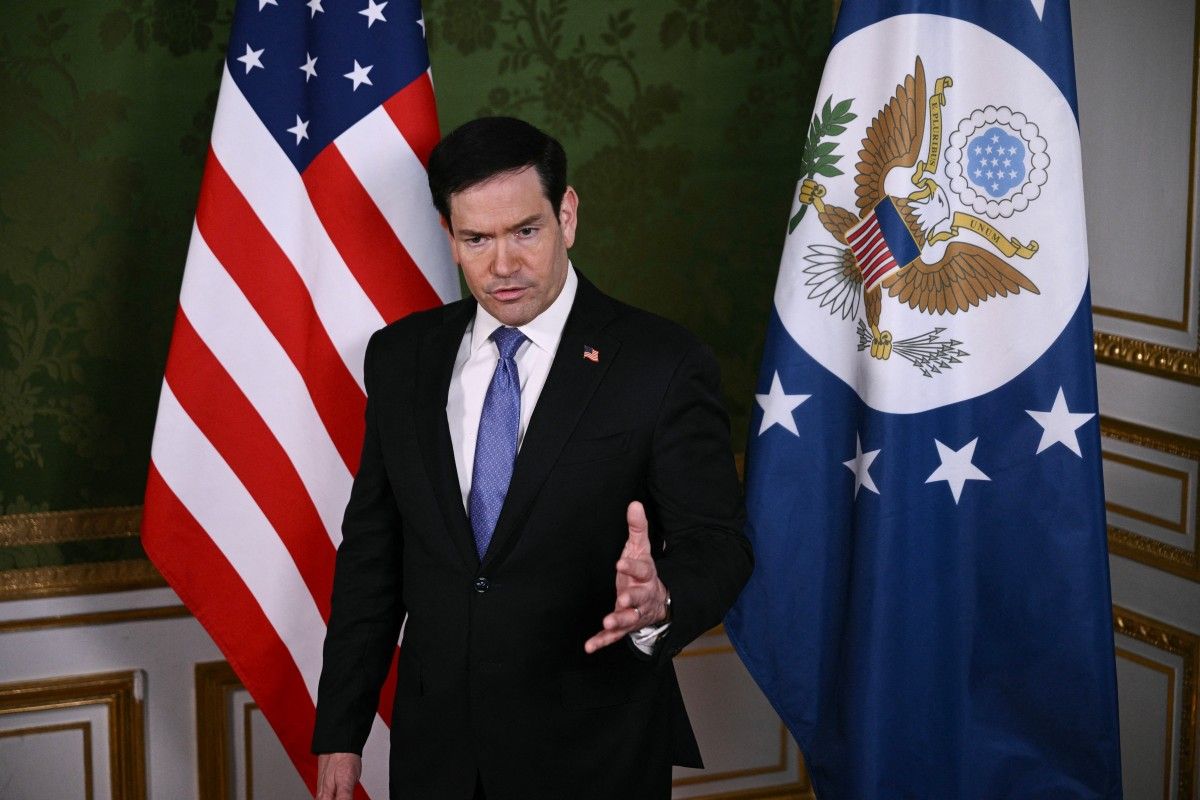
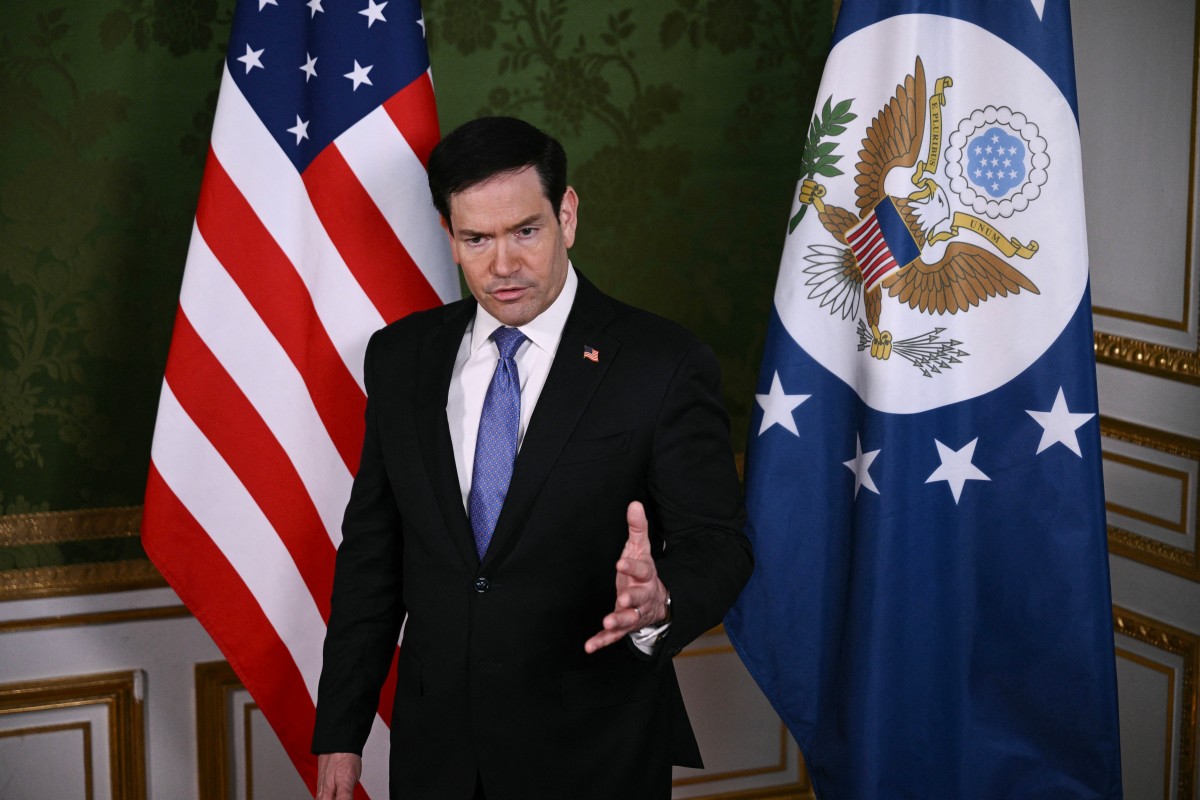
Marco Rubio in a file photo

Every dollar that Delcy Rodríguez's regime obtained this year from the sale of Venezuelan oil first had to pass through Washington's oversight. Between January and September, the Trump administration authorized the transfer of more than $12.1 billion to Caracas, practically the entire amount that entered the accounts under its custody, and oversaw everything from who could receive that money to the bills' serial numbers that arrived in the country by plane.
The details come from a Department of State report prepared under the supervision of the consulting firm KPMG and published on Thursday, as reported by The Wall Street Journal and the Washington correspondent for the Spanish newspaper ABC, David Alandete. This is the first detailed account of the management of Venezuela's finances since U.S. forces captured former dictator Nicolás Maduro on January 3.
The mechanism operates on a simple principle: the money remains Venezuelan, but the interim government headed by Delcy Rodríguez cannot touch it without U.S. permission. In other words, the infamous "trusteeship" that the Trump administration imposed more than ten months ago. The Central Bank of Venezuela submits a request explaining why it needs the funds and the Department of State reviews and approves it. The Treasury executes the transfer. A decree that Trump signed on January 9 further shielded those funds from seizures by the numerous creditors Venezuela accumulated during the Chavista era.

"The money is still Venezuelan; the decision to release it lies with the United States," Alandete summarized on his X account.
The system, however, was refined over time and got off to a haphazard start. In January, Venezuela had crude oil in storage that it needed to sell as soon as possible to avoid being forced to shut down wells due to lack of space, but the account on U.S. soil was not yet ready. The temporary solution was an account held by the Venezuelan Central Bank at the National Bank of Qatar, through which approximately $500 million passed before criticism over a lack of transparency led the operation to be moved to the U.S. at the end of that month.
In total, the accounts controlled by Washington received approximately $12.26 billion over nine months. Nearly 99% came from oil and oil products, while gold contributed about $108 million, fertilizers nearly $25 million, and other minerals $22 million. The deposits came from 20 different buyers, although only two of them accounted for more than 60% of the funds. Their names are redacted in the public version of the document.
Most of those funds had a specific purpose: supplying the Venezuelan economy with money. The Central Bank first distributed them through currency auctions and, since late March, through electronic allocations to commercial banks, which allowed companies and individuals to buy dollars with bolivars to pay for imports or protect their savings.
Companies received nearly $9.37 billion, and individuals, about $2.87 billion. Within the private sector, the largest share went to food and consumer goods, about $3.35 billion, followed by business services ($2.22 billion) and agriculture ($1.18 billion). Health care and pharmaceuticals accounted for another $530 million, according to the summary published by Alandete.

World
The United States is negotiating a military pact with Venezuela to consolidate its long-term strategic presence
Andrés Ignacio Henríquez
The most meticulous control was applied to cash. Between July and September, Venezuela made five air shipments totaling approximately $550 million. Each shipment followed a nine-step protocol: the bags had to match the cargo manifest and their numbered seals, the bills were counted with dual signatures, and their serial numbers were recorded in the Central Bank's vaults. Even with the money inside the country, no dollars could enter circulation without the Department of State and KPMG first verifying the recipients.
The Venezuelan regime also had to pay for the oversight imposed by Washington. KPMG charged approximately $18 million for its work, as detailed by Alandete, and the report lists other expenses associated with the system, such as payments to companies involved in transferring cash. Direct payments to suppliers included medications, dialysis supplies, turbines for a power plant in Zulia, and $5 million to the U.S. law firm Greenberg Traurig for legal services.
The figures contrast to some extent with Trump's own rhetoric, who has repeatedly stated that the U.S. profits from Venezuelan oil and that the military intervention has already paid for itself "many, many times over."
The report does not record any management fees paid to the U.S. Treasury. As of the end of September, about $168 million remained in U.S. dollars in custody, pending transfer to Caracas.
The scheme also caused friction within the Chavista movement itself. According to the WSJ, figures loyal to the regime accuse Rodríguez of having surrendered the country's sovereignty to remain in power. Among them is Mario Silva, one of the regime's most prominent former propagandists, who broke ranks this year and claimed that Venezuela no longer controls either its resources or the money generated by them.
From Washington, Secretary of State Marco Rubio defended the control measures as a tool to prevent the corruption that brought Venezuela's oil industry to its knees and to steer the country's economic recovery. Most indicators support that argument. Year-over-year inflation stood at 375% in October, still one of the highest in the world, though below the 475% recorded in 2025. The Caracas-based consulting firm Ecoanalítica projects that it could drop to 67% next year, with economic growth of around 14% driven by the oil sector's recovery.
The document comes after months of pressure from Capitol Hill. The Department of State had promised quarterly audits in April, and in September Democrats Joaquín Castro, Gregory Meeks, and Ami Bera were still demanding the results. What they finally received is an operations report that does not include an independent assessment of the final destination of each dollar, and the text itself acknowledges that some audits were conducted on a sample basis and that KPMG joined the effort in April, three months after the money began to move.
Democrats have already indicated that they will use the majority they will assume in Congress in January to demand greater transparency regarding the management of Venezuelan funds and the energy contracts that the Trump administration authorizes as part of its alliance with the interim regime.
🛠 Do you think there is an error in this article?
Recommendations





LATEST