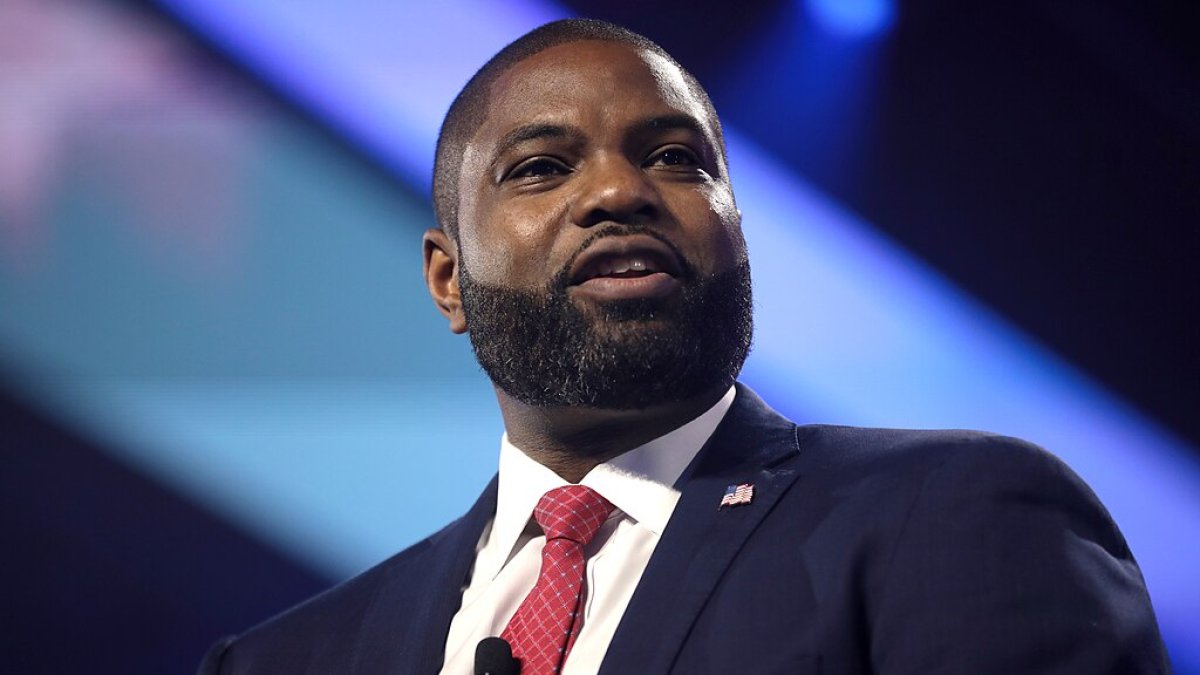
Where does Trump stand after the electoral debacle in both chambers?
The loss of the majority in the House of Representatives and the Senate will limit Donald Trump's ability to advance his legislative agenda. Democrats will be able to block initiatives, impose conditions on the budget, investigate his administration, and delay appointments, although the president will retain his executive powers and veto authority.
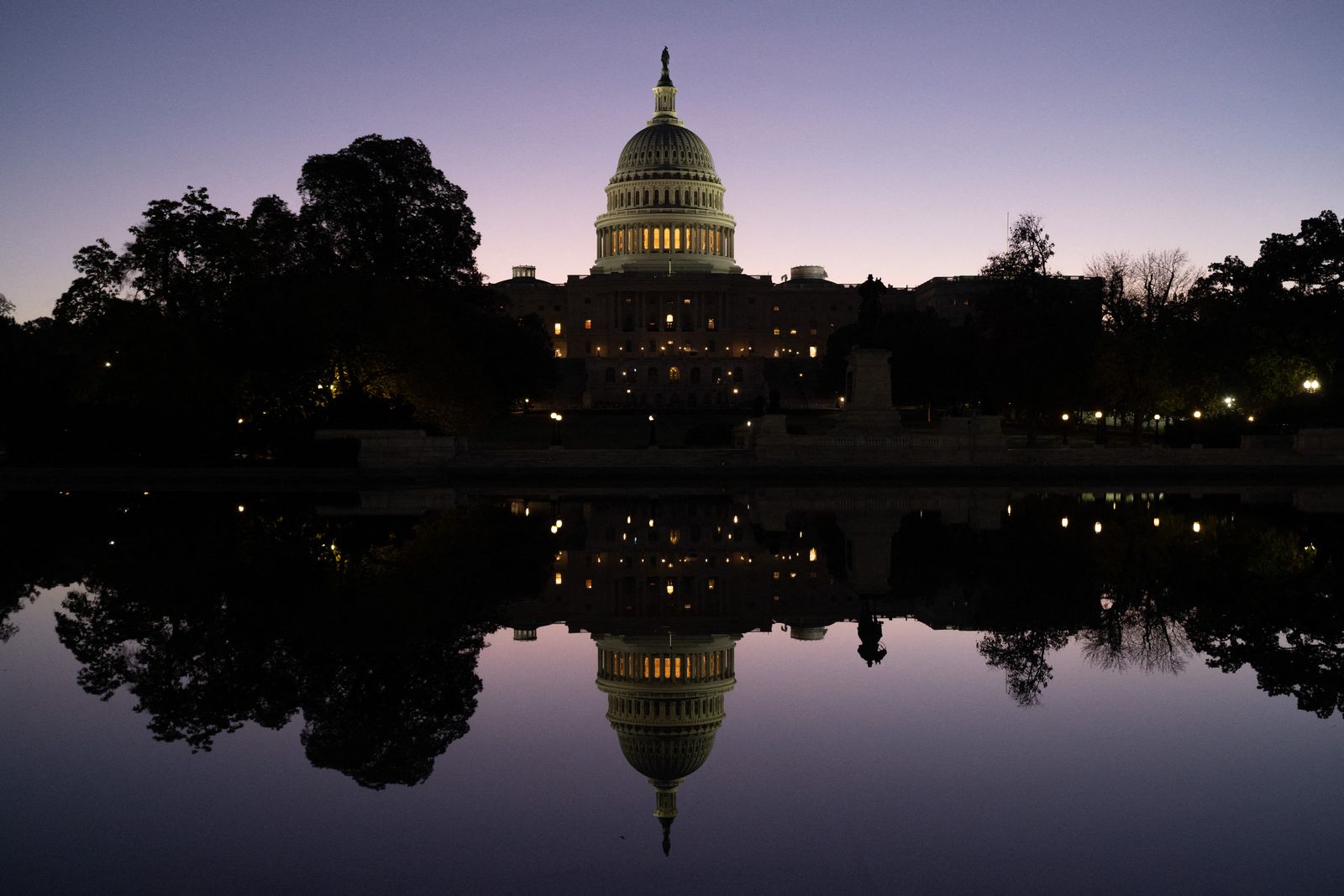
File photo of Congress

Losing control of Congress does not mean that a U.S. president ceases to govern, but it can significantly alter his ability to carry out his political agenda. That is what Donald Trump will face during the final two years of his second term following the Democrats' victory in Tuesday's midterm elections.
The shift in majorities, which will take effect when the new lawmakers take office in early January, will allow the opposition to control the legislative agenda and decide which proposals come up for a vote. In practice, Trump will face greater difficulties in turning his policy priorities into law, as he will need to negotiate with an opposition that now has the power to block his initiatives.
One of the most immediate consequences will be felt in the federal budget. Congress has fundamental authority over public spending, so the Democrats will be able to influence budget negotiations and set conditions for funding the administration's priorities. They will also be able to push for initiatives to reverse measures passed during the early years of the second Republican term, including cuts to Medicaid and tariffs.
But the loss of the majority will also have implications for oversight of the executive branch. Legislative committees will be able to launch investigations into the decisions of Trump, his officials, and his associates, request documents, and issue subpoenas. These inquiries could increase political pressure on the White House and even serve as a starting point for impeachment proceedings, although a potential removal from office would require a two-thirds majority in the Senate.
Control of the Senate will also allow Democrats to block or delay presidential appointments that require Senate confirmation, including key government positions and federal judges. This could become particularly significant if a vacancy arises on the Supreme Court over the next two years.
However, Trump will not lose his powers as president. He will be able to continue leading the executive branch, implement his immigration policy, and use executive orders to advance certain decisions. He will also retain the power of veto to prevent laws passed by Congress from taking effect. To override that veto, lawmakers would need a two-thirds majority in both chambers.
A new challenge for governance
The White House will have to contend with an opposition that is better positioned to block its agenda, scrutinize its administration, and influence its legislative decisions during the final stretch of its term.
🛠 Do you think there is an error in this article?
Recommendations




LATEST