Virginia passes laws protecting abortion rights and marriage equality, while Arizona endorses gender-based restrictions in sports
Voters in California also rejected a special tax on billionaires and new voter ID requirements. In Missouri, voters opposed an initiative that sought to restrict abortion and ban certain gender-affirming procedures for minors.
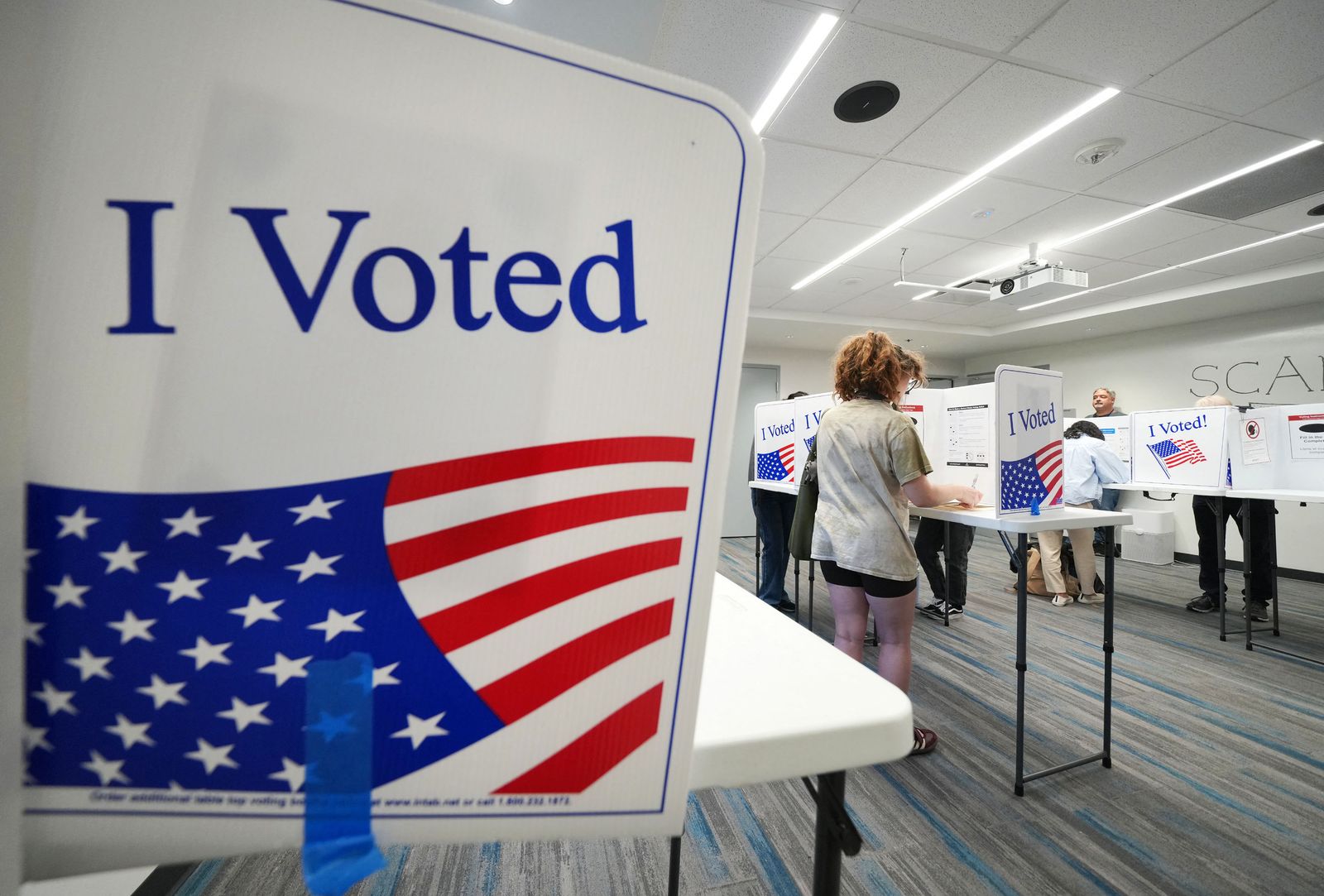
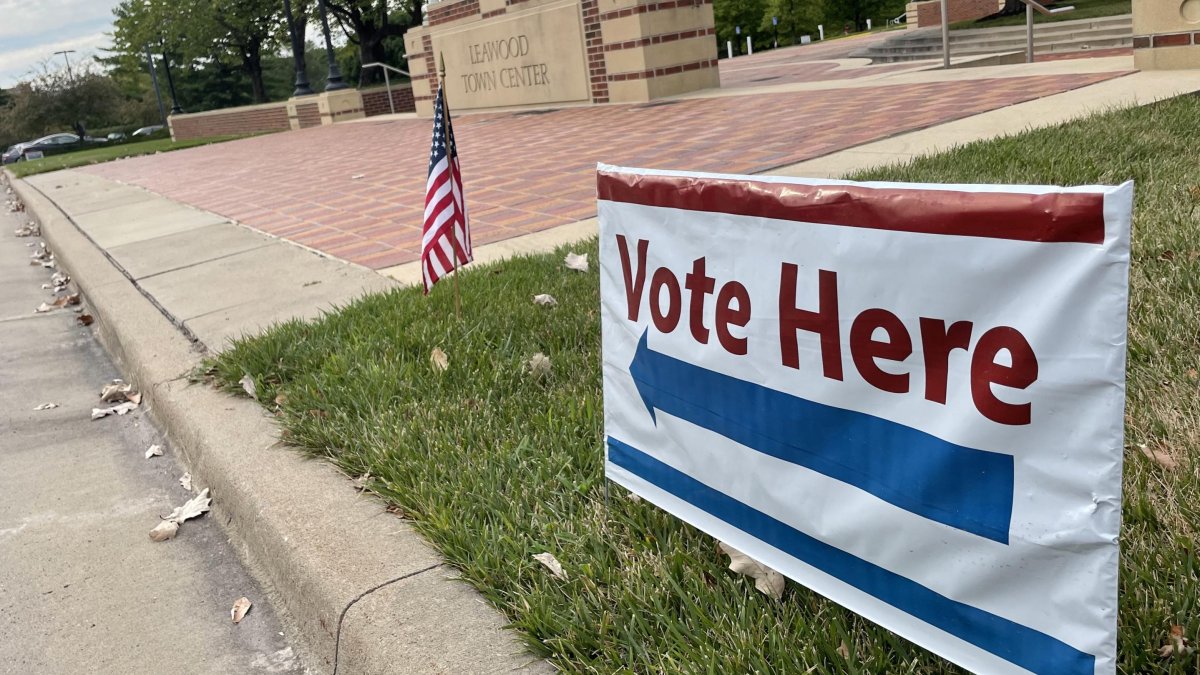
Illustrative image of the elections

The midterm elections resulted in significant decisions beyond the renewal of Congress. Voters cast ballots on more than 140 state measures, and the results reflected differing positions on issues such as abortion, gender policies, taxes, and election laws.
One of the most notable results came in Virginia, where voters endorsed three constitutional amendments. Question 1, which recognizes protections for abortion, including abortion before the third trimester and certain exceptions thereafter, received 62.3% of the vote. Question 2, which seeks to remove the state constitutional ban on same-sex marriage, received 57.3%. Question 3, which provides for the automatic restoration of voting rights for people convicted of felonies once they are released from prison, was also approved, with 56.4%.
In Arizona, the results varied depending on the proposal. Proposition 144, which sought to implement identification and citizenship verification requirements for voting, was rejected: 54.6% voted against it and 45.4% in favor. In contrast, Proposition 318, which seeks to require gender-based criteria for participation in sports and access to certain private spaces in schools and sports organizations, won the support of 58% of voters, compared to 42% who voted against it.
California rejected several tax and electoral initiatives. Proposition 40, which proposed a one-time windfall tax on the wealth of billionaires to fund health, education, and food assistance programs, was rejected by 56.1% of voters. Proposition 39, which proposed requiring official identification to vote and establishing additional checks on citizenship and voter registration, also failed: 58.8% voted against it.
However, Californians did support Proposition 3, which extends the state surcharge on the highest incomes to fund education and health care. The initiative received 58.5% of the vote. In contrast, Proposition 43, which sought to impose a two-thirds threshold for passing certain local taxes and to restrict certain initiatives related to property taxes, was rejected by 54.7%.
Another significant result was recorded in Missouri, where voters rejected Amendment 3, which sought to repeal the 2024 constitutional amendment on abortion, establish new restrictions with exceptions, and ban certain gender-affirming procedures for minors. 54.8% voted against it, compared to 45.2% who supported the proposal.
In the same state, Proposition A, which proposed approving the new congressional district map designed by the state Legislature in 2025, was also rejected, with 61.8% voting against it. In contrast, Amendment 6, which strengthens certain citizen initiative and referendum powers and establishes legislative majority requirements for amending certain laws approved directly by voters, received 59.9% support.
On the issue of abortion, Nevada endorsed a new constitutional protection. Question 6 received 63.6% of the vote in favor and 36.4% against. The initiative seeks to enshrine the right to abortion up to fetal viability, with specific exceptions for later stages. However, this was the second electoral approval required for its final incorporation into the state Constitution.
In Idaho, by contrast, Proposition 1, which addressed abortion issues, including abortion up to fetal viability, was rejected by 56.2% of voters. House Joint Resolution 4 (HJR 4), which sought to grant the state Legislature exclusive authority over the regulation of certain drugs and psychoactive substances, also failed, with 66.1% of voters opposing it.
Tax-related proposals also yielded significant results. In North Carolina, 61.9% of voters supported an amendment to reduce the constitutional cap on the state income tax to 3.5%. In South Dakota, however, 55.7% rejected making the expansion of Medicaid contingent on the federal government continuing to cover at least 90% of its costs.
In Washington, 58.1% voted against an initiative that sought to repeal the tax on household incomes exceeding one million dollars and to ban state and local income taxes. Meanwhile, Maryland approved, with 60.1% of the vote, a proposal stipulating that its state Constitution does not itself establish criteria for drawing congressional district boundaries.
The primary election system in several states
In Alaska, the proposal to repeal the "top four" primary system and ranked-choice voting was also rejected, with 51.4% voting against it and 48.6% in favor, according to available results.
The results published by 270toWin are based on a partial count updated in the early morning hours of November 4. Some measures still had votes yet to be tallied, so the percentages may change.
🛠 Do you think there is an error in this article?
Recommendations





LATEST