





Donald Trump formally invokes executive privilege to shield documents related to the Kennedy Center's closure
The White House argues that the move protects the president's and his advisors' deliberations on managing the arts center, thereby blocking requests for information from Democratic Congresswoman Joyce Beatty.
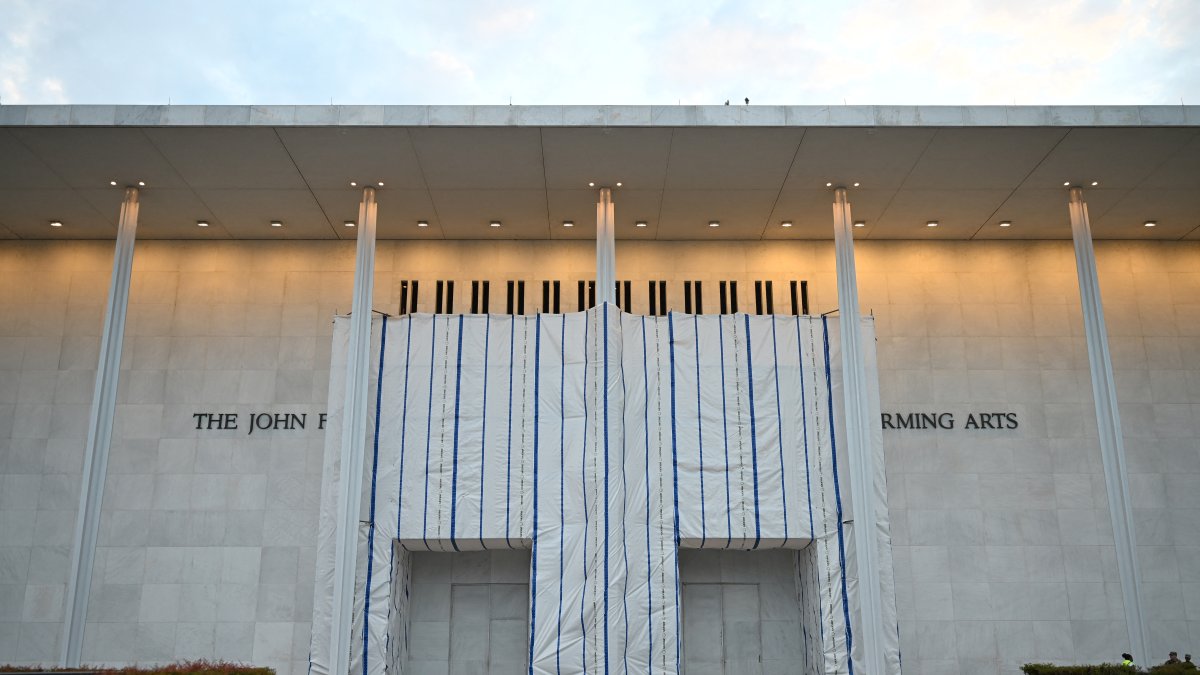
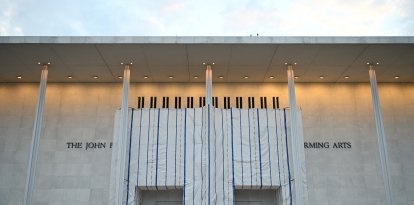
Photo of the Kennedy Center's facade on June 28, 2026.

President Donald Trump formally invoked executive privilege to protect internal files and communications in the context of litigation initiated by Ohio Democratic Congresswoman Joyce Beatty, who is challenging the decision to temporarily close the Kennedy Center for renovation work.
White House Deputy Counsel Joshua Hoyt notified the federal judge presiding over the case that the presidential communications privilege covers documents, exchanges, and reports among the president, his advisors, and Kennedy Center staff. The measure seeks to protect deliberations related to the president's official duties and the cultural institution's operations.
Hoyt argued that when appointing members to the board of directors and the arts advisory committee, the president should be familiar with the organization's operations, fundraising, and projects.
According to the White House, without this protection, advisors would be limited in their ability to evaluate alternatives and make informed recommendations regarding presidential responsibilities.
The Department of Justice's position before the court
In a separate brief, attorneys for the Department of Justice accused Congresswoman Beatty of conducting an excessive inquiry that undermines the principle of separation of powers.
The government's defense argued that, beyond the overlap between the president's statutory responsibilities and his board duties, the relevant factor for applying the privilege is that the lawsuit seeks documents concerning the president's actions in his official capacity.
For their part, Beatty's legal representatives pointed out that the Department of Justice is attempting to improperly block inquiries into the instructions Trump conveyed to the center's staff.
In light of the refusal to hand over the files and the instructions given to executives during their testimony, the plaintiffs asked the court to order the immediate release of the material.
Origin of thedispute and legal background
The legal dispute began in December, when Beatty, an ex officio member of the Kennedy Center's board of directors, filed a lawsuit seeking to halt the two-year renovation closure and the renaming of the facade to "Donald J. Trump and John F. Kennedy Memorial Center for the Performing Arts."
Last year, the center's board elected Trump as its chairman, making him the first sitting president to hold that position at the institution created by Congress in 1958.
In May, District Judge Christopher Cooper issued a preliminary ruling blocking the building's closure and ordering the removal of the president's name from the exterior facade, a measure carried out weeks later. However, the judge authorized the plaintiff to request information and take depositions regarding the renovation plans.
The assertion of executive privilege covers records related to the complex's financial status, construction projects, and discussions regarding a potential demolition.
These concerns arose after the president said the structure deserved recognition for the repairs his administration undertook to prevent permanent deterioration. The federal court now has the final decision on the scope of the privilege in this unprecedented case.


Politics
Without his name on the facade, Trump won't allow the Kennedy Center renovation as board votes for immediate closure
Emmanuel Alejandro Rondón
LATEST