






US halts withdrawals from its strategic reserve for the first time as the war with Iran continues to put pressure on the energy market
The reserve remained at 283 million barrels, according to weekly data from the Energy Information Administration (EIA).
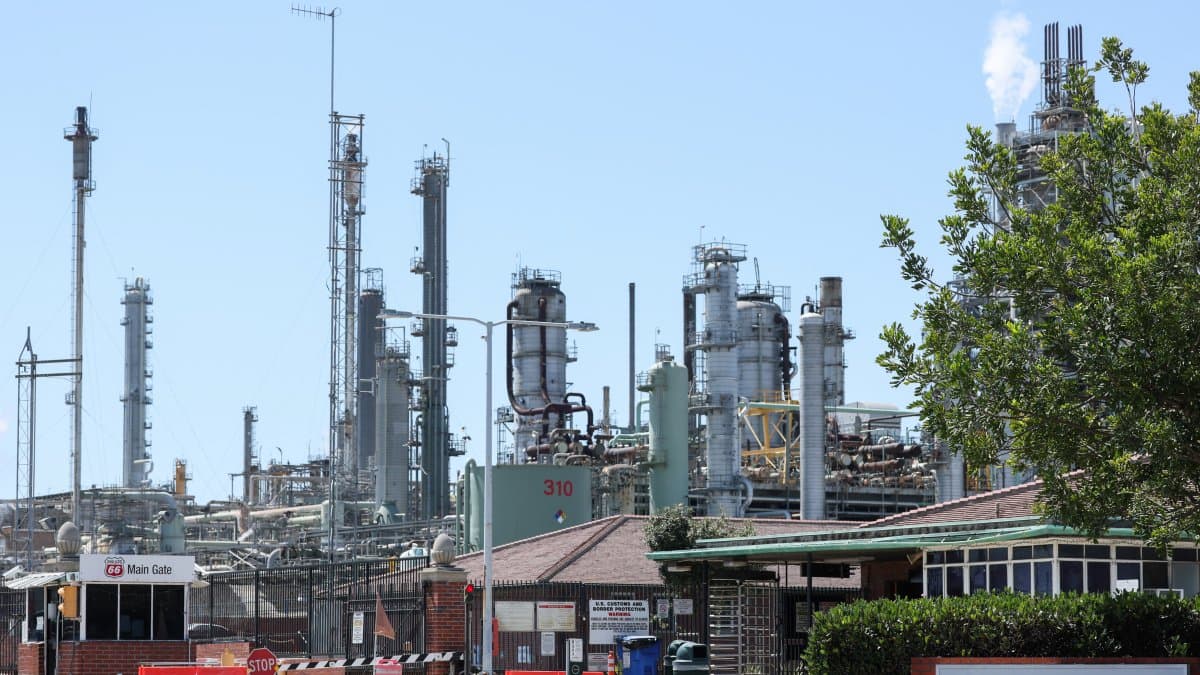
Oil refinery in Los Angeles—File photo

The United States did not withdraw a single barrel from its Strategic Petroleum Reserve (SPR) during the week ending October 9, the first pause since Washington began using it regularly to mitigate disruptions caused by the war with Iran.
The reserve remained at 283 million barrels, according to data from the Energy Information Administration (EIA).

A pause in a larger plan
The SPR has become a central tool in the U.S. response to the conflict that began in February, when the United States and Israel attacked the Iranian regime. To offset disruptions in global supply, the Trump administration announced in March the release of 172 million barrels, as part of a coordinated effort with 32 member countries of the International Energy Agency.
The releases are being carried out primarily as swaps. The Department of Energy (DOE) delivers crude oil to companies, which must return the same volume plus an additional premium in barrels. This mechanism, documented by the DOE, aims to stabilize the market at no cost to taxpayers and strengthen the reserve in the long term.

Politics
Middle East: Tensions escalate between Iran, the houthis, Saudi Arabia, and the United States
Williams Perdomo
The first five auctions totaled more than 133 million barrels awarded. In late September, Washington launched the final phase, for up to 40 million barrels, with deliveries scheduled for November and December 2026.
According to Argus Media, in early October, a new tranche of between 20 and 25 million barrels was awarded, with the majority going to ExxonMobil, although the actual delivery of the crude oil could take several weeks.

Commercial reserves and domestic production fall
Meanwhile, according to AFP, commercial crude oil inventories fell last week by 8.6 million barrels, as a result of a 12% decline in imports and an increase in the volume of crude processed at U.S. refineries.
At the same time, domestic production fell to its lowest level since early May, a decline that could be related to the temporary shutdown of some facilities due to Hurricane Isaias passing through the southern part of the country.

🛠 Do you think there is an error in this article?
Recommendations








LATEST