Historic shutdown: Schumer rejects Republican plan for 14th time, extends government shutdown to 35 days
As the shutdown drags on - already exceeding 35 days - the impact on federal workers, military and essential programs worsens.
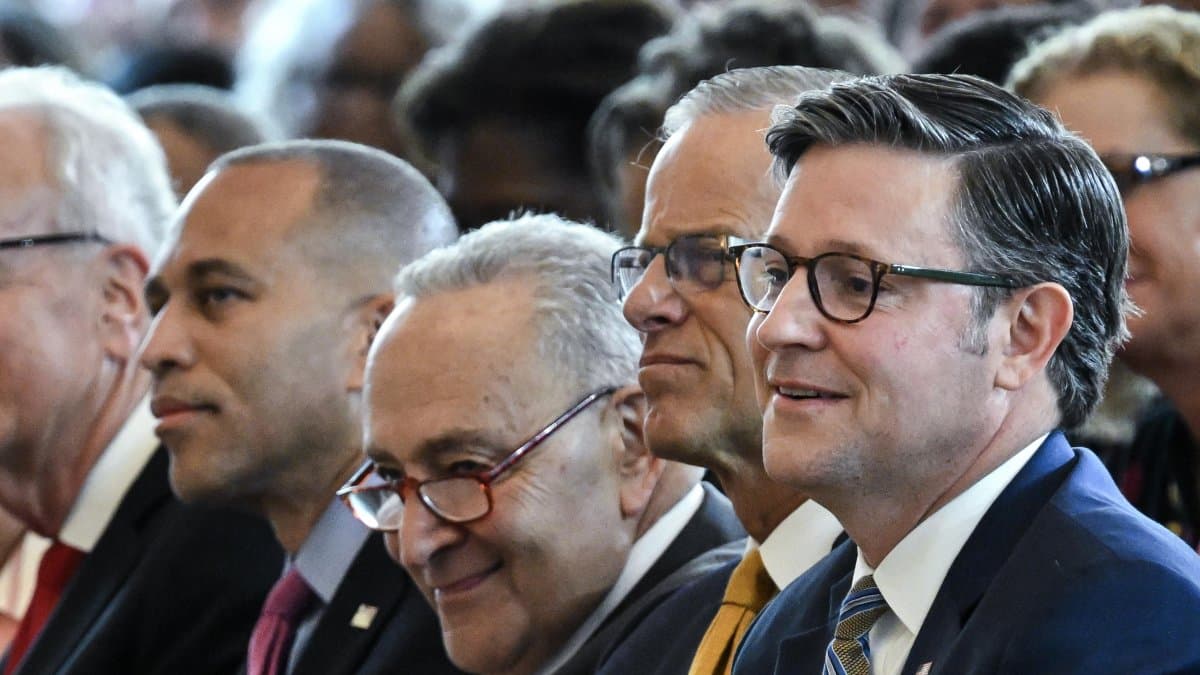

The federal government shutdown is set to become the longest in its history after the Senate blocked for the fourteenth time the Republicans' attempt to open it.
Tuesday morning's vote, which rejected the stopgap funding resolution passed by the House, matched the previous record of 35 days set in 2019 and virtually guarantees that milestone will be surpassed before the end of the day.
The decision comes against a backdrop of growing optimism and exhaustion among lawmakers in the upper chamber, where bipartisan talks have intensified.
In that regard, Senate Minority Leader, Chuck Schumer, D-N.Y., and his Democratic caucus maintain a firm position: they will not reopen the government without an unwavering agreement on Obamacare subsidies that are set to expire.
During a speech on the Senate floor, Schumer directly blamed Republicans and President Donald Trump for the health care chaos, especially after insurance premium hike notices Americans received over the weekend.
"The only plan Republicans have for healthcare seems to be to eliminate it, and then to tell working people to go figure it out on their own,” Schumer said. "That's not a healthcare plan. That's cruel."
Signs of weakening Democratic resolve emerged Monday, however, when a group of nearly a dozen Democratic senators met behind closed doors to explore ways out of the impasse, according to a report from Fox News.
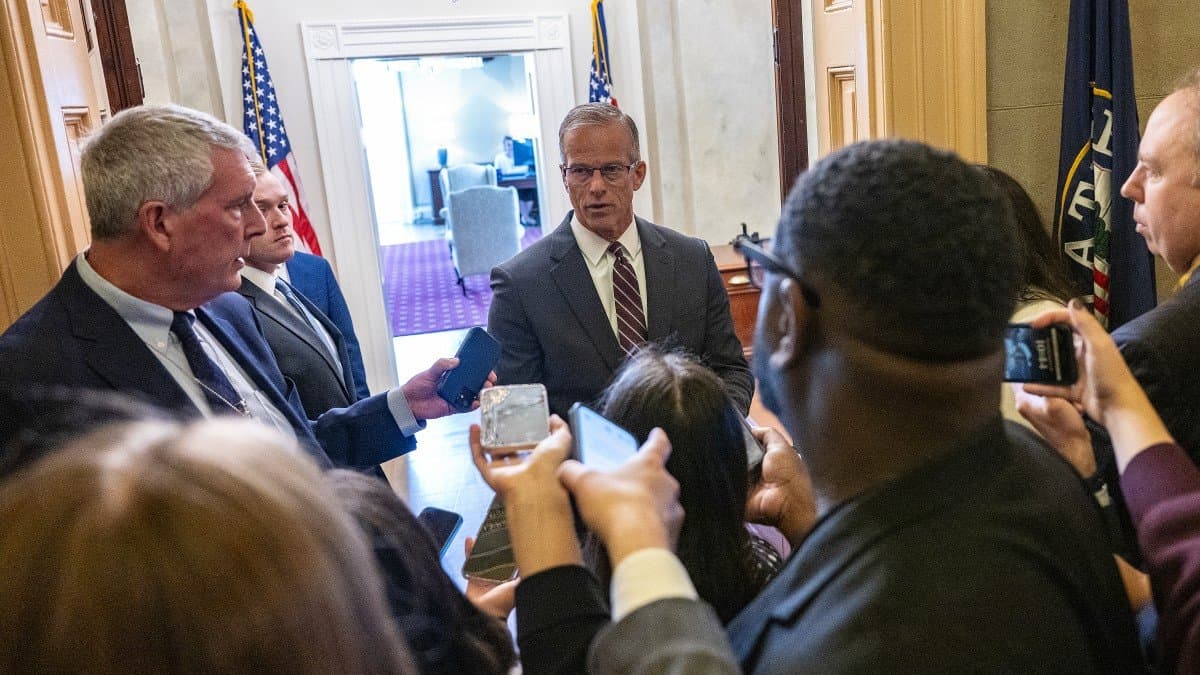
Thus, Senate Majority Leader John Thune, R-South Dakota, expressed optimism about an imminent resolution, though he doubted it would happen before the end of this week. "I hope [we are close to a deal]," Thune responded when asked about it.
Politics
John Thune is confident that the Senate will succeed in reopening the government before the weekend
Emmanuel Alejandro Rondón
Thune noted that Republicans have offered multiple options to Democrats, including guarantees of a vote on subsidies or even on the Obamacare bill once the government reopens.
"I think there are people who realize this has gone on long enough and that there's been enough pain inflicted on the American people, and it's time to end it. So we'll see whether that's, you know, sufficient numbers are there."
Deadline approaching
The current deadline of Nov. 21 for the stopgap funding resolution does not leave enough room to pass individual spending bills, a key goal for Thune and other Republicans.
Many lawmakers fear reopening the government only to see it shut down again in a few weeks. In response, they are discussing extensions of the current resolution-either by amendment or a new bill-that could extend into December or even January, allowing time to finalize spending packages and avoid a massive year-end "mega-bill." Another option on the table is a "mini-bill" of three spending bills tied to this extension.
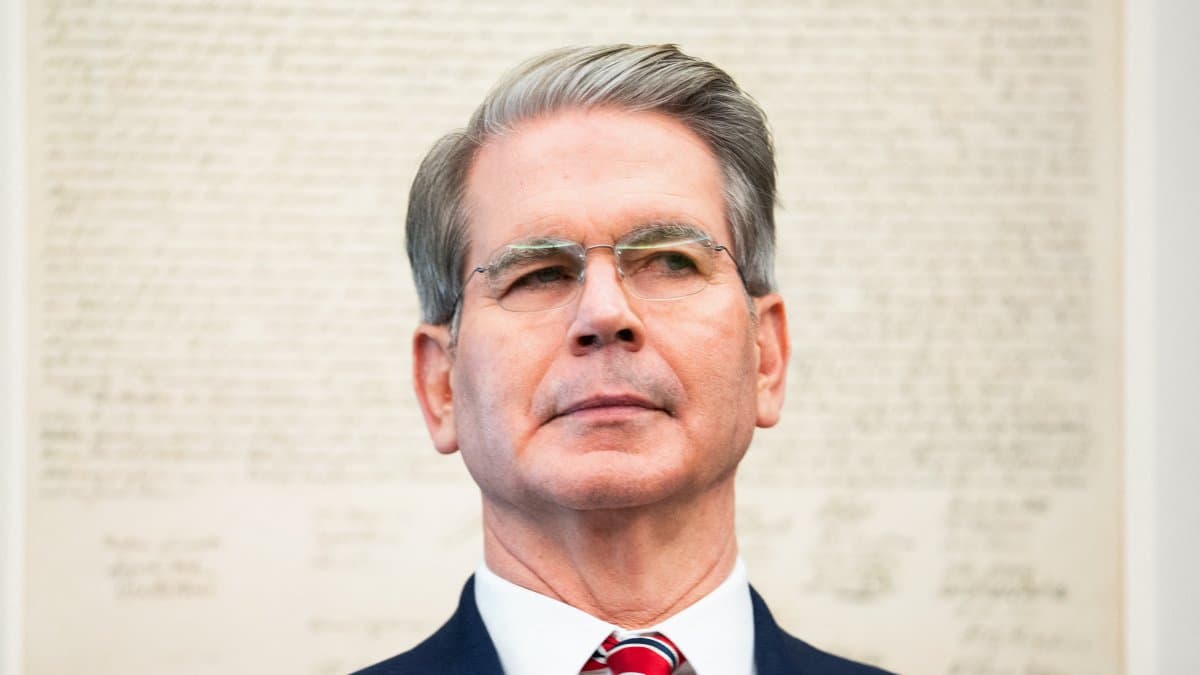
These negotiations run parallel to the Obamacare discussions, but neither side has conceded enough to unblock the shutdown. Sen. Mike Rounds, a South Dakota Republican and regular participant in the bipartisan talks, was cautious in predicting an end to the impasse: "I don't know, I hope so." He added: "Bottom line is they can stop all this with one vote and get back into it and get back to work on a bipartisan basis."
Sen. Lisa Murkowski, an Alaska Republican also involved in the talks, proposed extending the subsidies for two years as a temporary measure: "really hard to do any reforms right now," because insurance rates had already been published, she explained. Her idea is part of several under consideration, including modifying the income limit - eliminated during Joe Biden's presidency - and adjusting the low-cost premium contribution. "There's no highly brand-new thing that anybody's really talking about," Murkowski said. “It's just what's the right concoction?"
Democrats blame President Trump
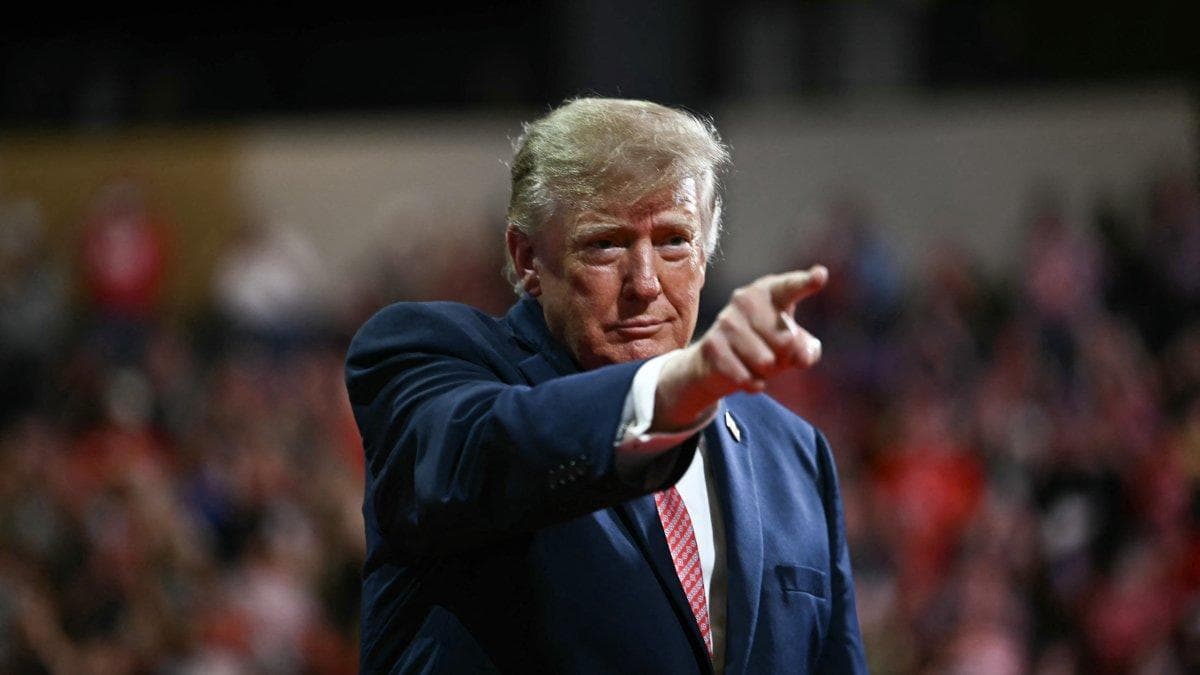
Trump has conditioned a meeting with Schumer and House Minority Leader Hakeem Jeffries (D-N.Y.) on reopening the government. Over the weekend, the president demanded that Senate Republicans remove the 60-vote threshold for obstruction.
For his part, Senator Andy Kim, criticized the Republican president: "At no point since Oct. 1 has Donald Trump agreed to sit down with Democratic leaders."
A 35-day shutdown
🛠 Do you think there is an error in this article?
Recommendations



LATEST