TPS for Venezuelans: White House requests Supreme Court intervention
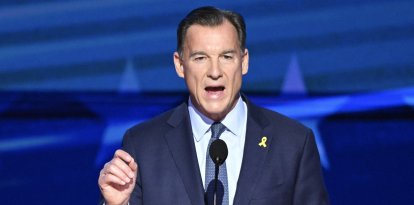
John Sauer, U.S. solicitor general, acted through a procedure known as an "emergency application."

John Sauer on Capitol Hill/ Jim Watson.

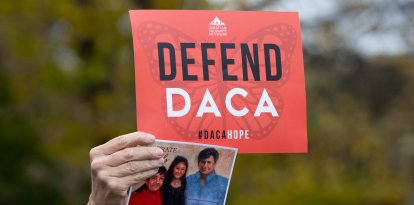
The Trump administration has asked the Supreme Court to intervene in a case regarding Temporary Protected Status (TPS) for 300,000 Venezuelans. The White House is seeking to cancel the program, arguing that it has been "politicized" and used as a form of permanent rather than temporary solution.
In early September, Judge Edward Chen ruled that the Department of Homeland Security (DHS) had no legal authority to revoke the program and that its determination was influenced by bias toward the affected communities. The judge also issued orders for the administration to maintain TPS, allow renewals, and maintain work permits while the court case is being decided.
It was in this context that John Sauer, U.S. Solicitor General, acted and asked the highest court in the country to intervene on an urgent basis, through a procedure known as "emergency application." This judicial remedy is used when one of the parties understands that the issue is too urgent to go through the entire judicial process, so it asks to go directly to the Supreme Court.
What is TPS?
During the period it is in force, people with TPS have protection against deportation and can obtain work permits.
In the case of Venezuelans, and taking into account the regime of Nicolás Maduro, they were granted this protection because the situation in their country is considered dangerous and unstable. This program is temporary and is renewed every 6, 12 or 18 months. The Biden administration renewed it for the last time in January 2025, shortly before the start of President Trump's second term.
LATEST