The Trump administration asks the Supreme Court to keep nearly $12 billion in foreign aid funds blocked
The appeal was filed by the U.S. solicitor general, who warned that without immediate intervention by the highest court, the government would be forced to release billions of dollars previously appropriated by Congress expeditiously.

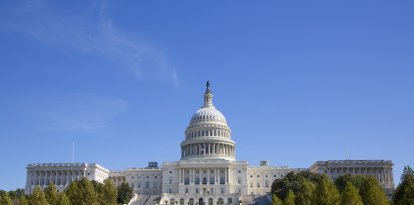
File image of the Supreme Court in Washington, D.C.

The Trump administration requested the Supreme Court to urgently intervene to stop a court order that would force it to release nearly $12 billion in foreign aid before the close of the fiscal year on Sept. 30.
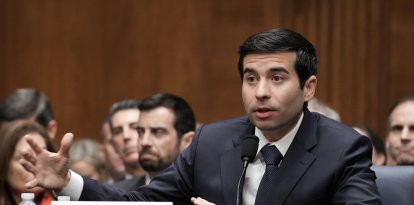
The appeal was filed by U.S. Solicitor General John Sauer, who warned that without the top court's immediate intervention, the government would be forced to expeditiously release billions of dollars previously appropriated by Congress to the U.S. Agency for International Development (USAID).
Funds frozen since January
The disputed resources were the subject of an executive order signed by Trump on his first day back in office in January, aimed at almost completely halting spending on foreign aid programs. The decision was presented as part of a broader strategy by his administration to combat waste, fraud and abuse in the use of federal funds.
Federal Judge Amir Ali, however, blocked the move earlier this year and ordered the resumption of payments for USAID projects that Congress had already approved.

Politics
Rubio puts an end to USAID: 'Assistance programs will be administered by the State Department'
Diane Hernández
Favorable appeals court ruling
That initial setback reversed course this month, when the U.S. Court of Appeals for the District of Columbia Circuit partially overturned Judge Ali's order in a 2-1 vote. The majority found that the plaintiffs, foreign aid organizations claiming release of the grants, did not have a sufficient legal basis to sue the executive.
Judge Karen L. Henderson, an appointee of George H.W. Bush, wrote the majority opinion, noting that the cause of action raised by the plaintiffs was invalid and that there was no showing that Trump had clearly exceeded his executive powers.
Arguments before the Supreme Court
The case thus returns to the Supreme Court for the second time in six months, reflecting the magnitude of the dispute over USAID funds and the scope of presidential authority to manage public spending on international aid.
LATEST