






Senate Republicans propose handing out $600 checks to Americans with revenue generated by Trump's tariffs
Sen. Josh Hawley (R-MO) introduced a bill that seeks to refund part of the $150 billion collected from tariffs to help the nation's families.
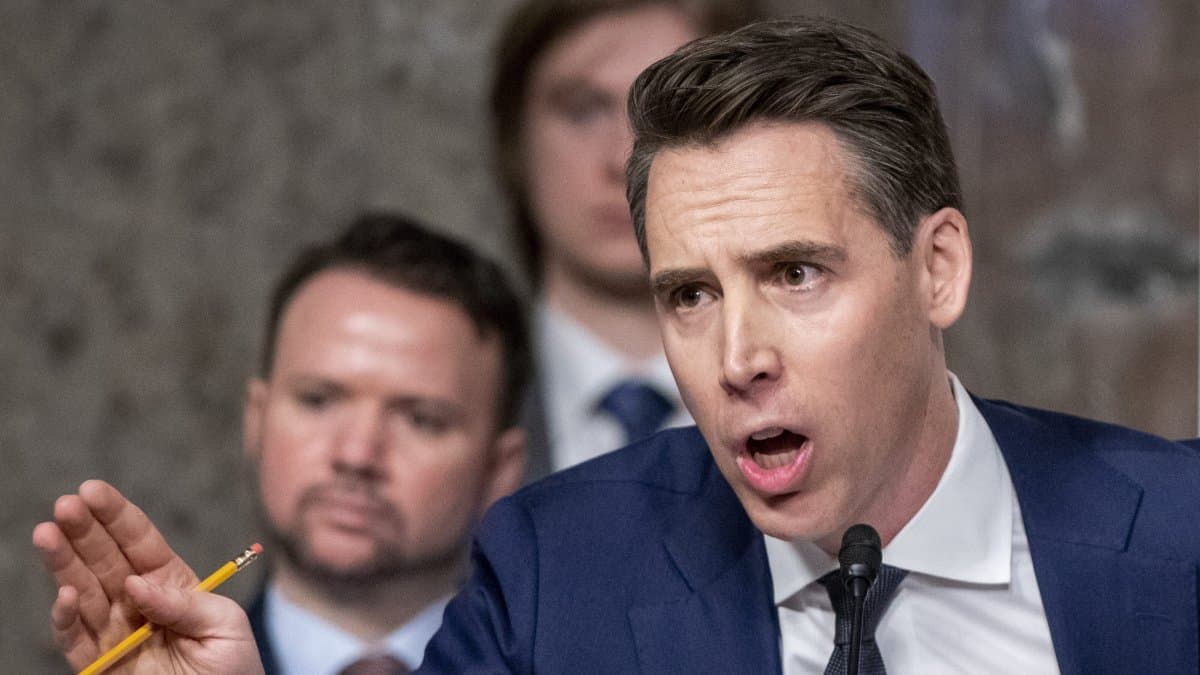

Republican Sen. Josh Hawley introduced a new bill that seeks to reimburse some of the funds generated by tariffs pushed by President Donald Trump to deliver checks of up to $600 per adult per child to American families.
The proposal, similar to the 2020 economic stimulus during the pandemic would generate a family of four receiving up to $2,400 if they meet the necessary income requirements set forth.
The bill comes just after the Treasury Department released that, through July, tariffs implemented by the Trump administration generated approximately $150 billion so far this year, including $28 billion in July alone.
The figure, surprising to many analysts, puts the White House and President Trump himself in a positive position, as he seeks to meet his ambitious goal of raising $300 billion through his trade policy.
"Americans deserve a tax rebate after four years of Biden policies that have devastated families’ savings and livelihoods," Hawley said in a statement after announcing his bill. "Like President Trump proposed, my legislation would allow hard-working Americans to benefit from the wealth that Trump’s tariffs are returning to this country."
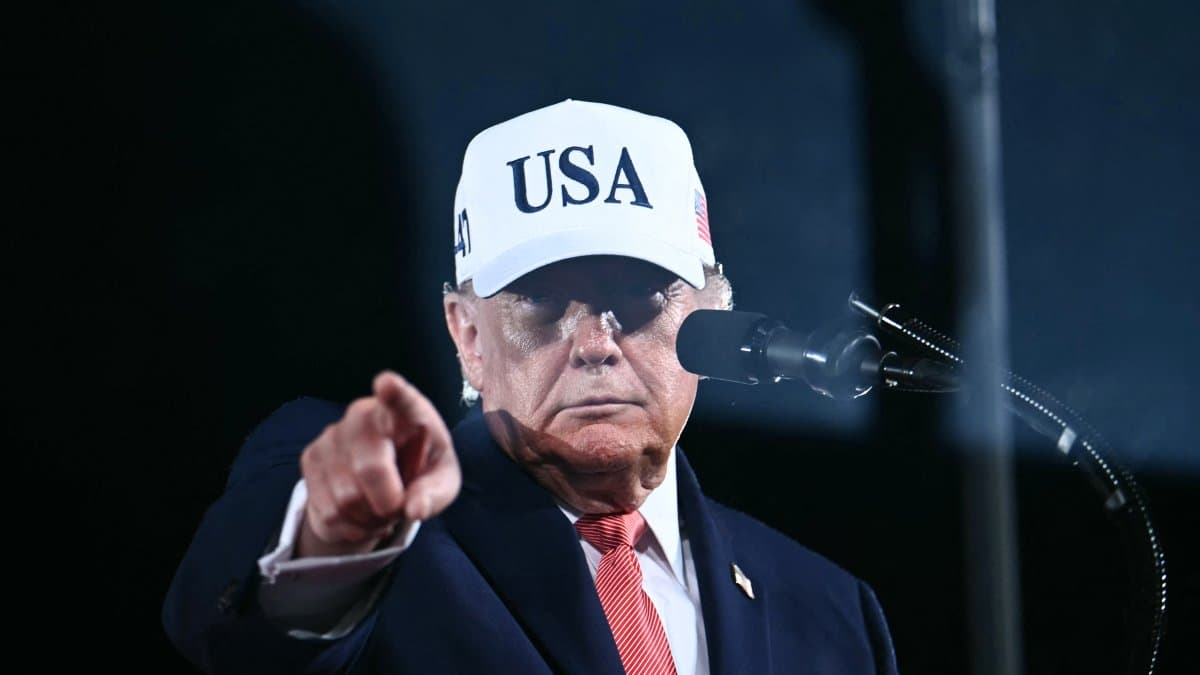
The announcement, moreover, coincides with recent statements by President Trump, who previewed the possibility of issuing direct refunds as part of his economic strategy.
"We're thinking about a little rebate," the Republican leader said last week. "But the big thing we want to do is pay down debt. But we're thinking about a rebate."

Politics
Senate confirmed Susan Monarez as the new director of the Centers for Disease Control and Prevention
Luis Francisco Orozco
While the proposal seeks to benefit as many Americans as possible, not all taxpayers will receive the full $600. The legislation provides for a progressive reduction of the benefit for those above certain income thresholds: couples with joint incomes starting at $150,000 annually, heads of household with more than $112,500 and individual taxpayers exceeding $75,000. In addition, if fee collections exceed official projections, the amount of the refund could be even higher than initially stipulated.
The initiative is also not without its critics. Several Democrats, tax experts and even Republicans have warned that tariffs act, in practice, as an indirect tax that directly affects taxpayers, who end up absorbing the consequences of trade policy, such as higher prices.
The measure could also face scrutiny from fiscal hawks, who in the past have harshly criticized Democrats for handing out stimulus checks willy-nilly, generating an increase in the country's fiscal deficit and debt.
🛠 Do you think there is an error in this article?
Recommendations


LATEST