






DOJ sues Maryland judges for interfering with illegal immigrant deportations
The legal action represents a significant escalation in the conflict with judges exceeding their duties by blocking essential immigration decisions.
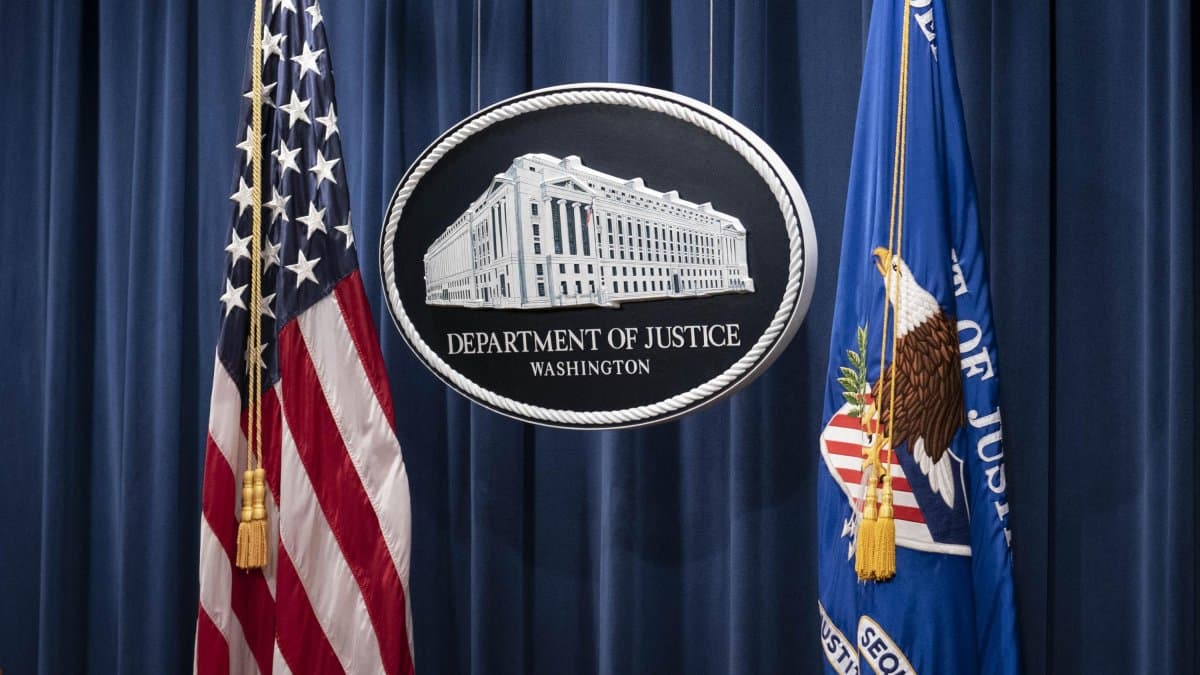

The Department of Justice (DOJ) filed a federal lawsuit against the U.S. District Court for the District of Maryland and its 15 judges, arguing that an existing court order directly interferes with the Executive branch's constitutional functions, especially in immigration and deportation matters.
The legal action represents a significant escalation in the standoff between the judiciary and the president's legal team, which contends the judges are overstepping their authority with actions that stall key immigration decisions.
What's at stake: The executive branch's immigration authority
At the center of the conflict is a permanent injunction issued by Chief Judge George Russell in May. The measure automatically prevents deportations of immigrants detained in Maryland from being executed for at least two business days, provided they file a legal challenge.
The administration called the order an intrusion "outside the context of any particular case or controversy," claiming it represents a misapplication of judicial power. The Department of Justice argues that the court-imposed rule does not evaluate whether the immigrant needs injunctive relief, whether there is jurisdiction over his or her claim, or whether the claim has legal merit. In other words, it would be blocked by the system, not by individual merit.
An alarming precedent, according to the Department of Justice
For Trump administration lawyers, this practice violates principles established by the Supreme Court on when federal injunctive relief can be issued. They also point out that the rule is being applied across the board without evaluating specific cases, which they consider an abuse of judicial power.
The administration also questioned how the order is being enforced: it argues that it is a decision made outside of any specific litigation and without sufficient review, making it a systematic intervention in domestic immigration policy.
In its filing, the Department of Justice requested not only that the order be vacated, but also that the case be transferred out of Maryland. It asked that another judge, randomly selected by the Fourth Circuit Court of Appeals, assume responsibility for the case to ensure impartiality.
Response from the Trump administration
"The American people elected President Trump to carry out his policy agenda: this pattern of judicial overreach undermines the democratic process and cannot be allowed to stand," Bondi said.
An undercurrent of tension between branches
Judge Russell justified his order because there had been an "influx" of habeas corpus petitions by immigrant detainees in recent weeks, many of them filed after court hours. He said this generated logistical chaos and expedited hearings that affected due process.
However, for the Trump administration, the operational argument does not justify a measure that, in fact, freezes deportations automatically and impersonally.
🛠 Do you think there is an error in this article?
Recommendations







LATEST