Taiwan, the United States' valuable ally in artificial intelligence
This reality cannot be separated from the growing challenge posed by China, which is engaged in a relentless arms race—including in the nuclear sphere—and a major trade and investment offensive around the world.
Cutting-edge technology products from both sides of the Taiwan Strait
Published
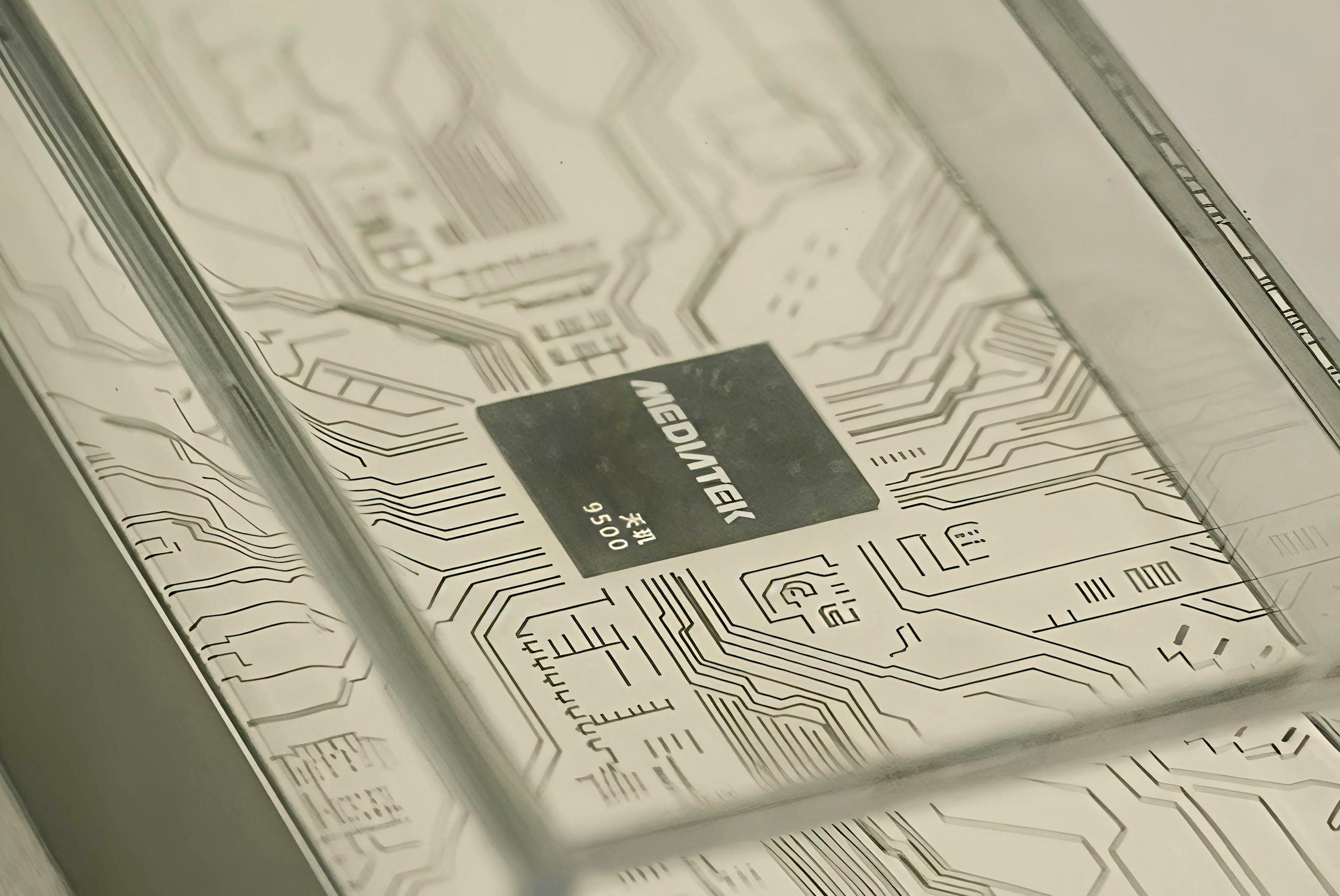
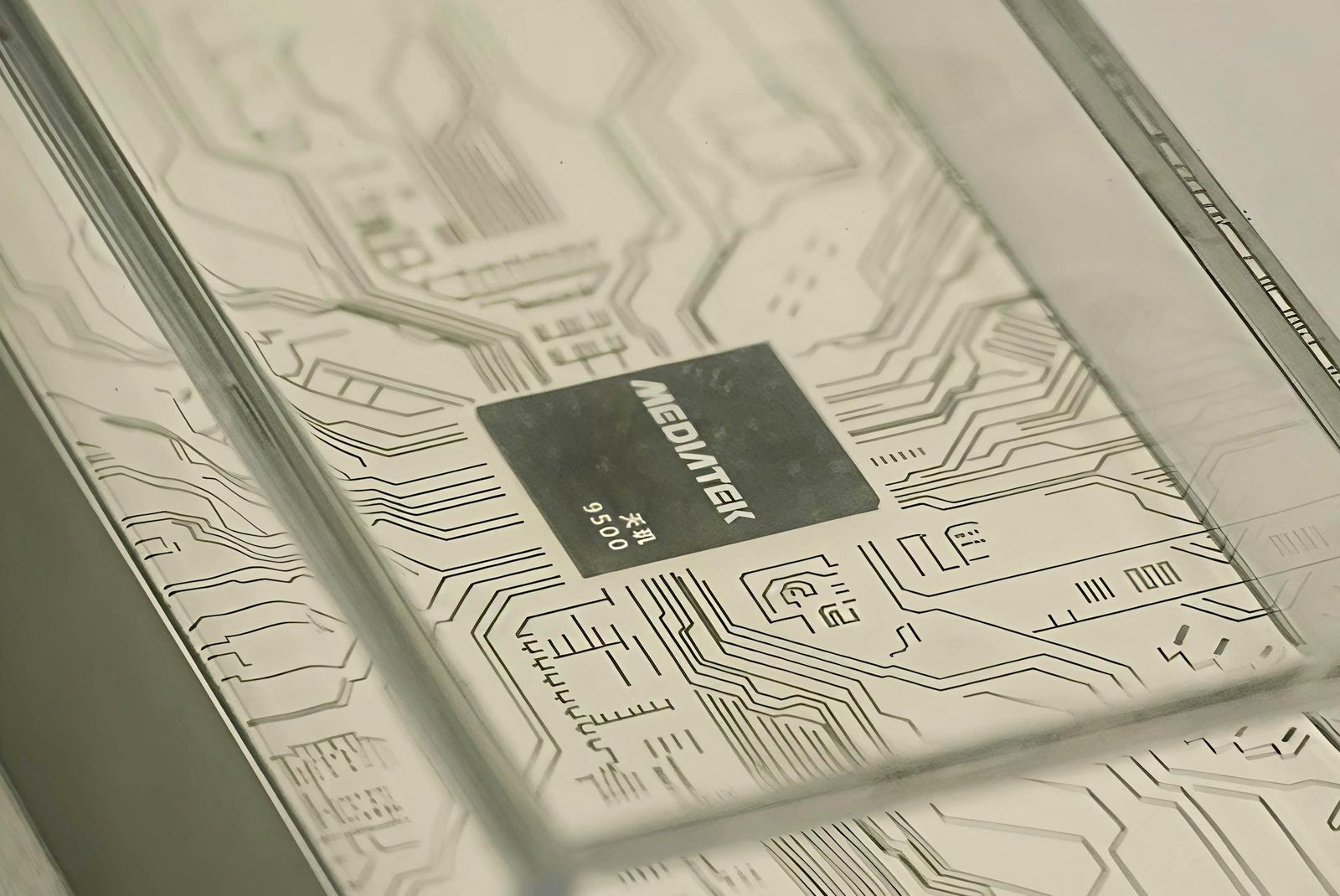
Just as computers spurred exponential development, Artificial Intelligence (A.I.) is the crucial tool for a new technological "leap" toward the future. A.I. processes computer operations at an inconceivable speed (nanoseconds) and makes it possible to implement the best alternative immediately. That speed is provided by semiconductors, which constitute the "heart" of A.I.
A.I. circuits are referred to as "models." There is a fierce competition between the United States and China to achieve supremacy in their development, but neither country produces the most advanced semiconductors. More than 90% are manufactured Taiwan. Therefore, this close relationship ensures that the U.S. can count on having access to this "raw material," which is essential for success in this race.
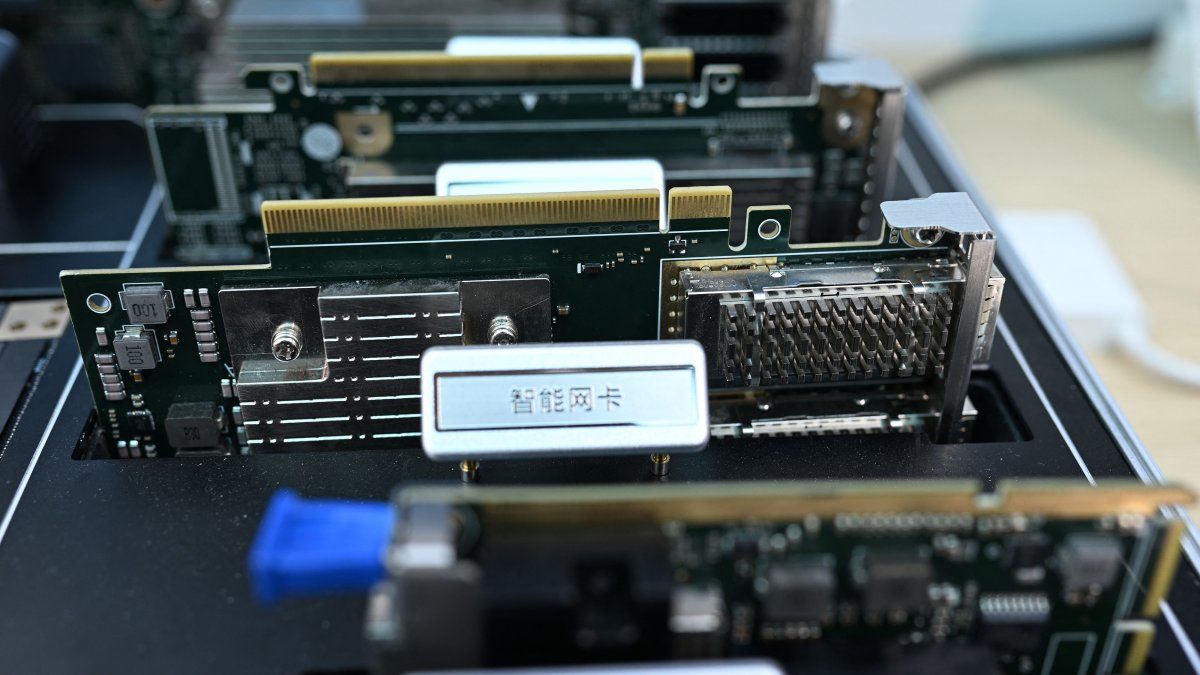
Behind all this are power generation, internet servers and real-world A.I. applications—whether in the military, space, industrial or medical fields. Taiwan also excels in these areas, as it assembles nearly 90% of the servers that power A.I. across the globe.
Jensen Huang, co-founder and CEO of Nvidia, one of the major A.I. companies, explained that the industry consists of five layers. Energy is its foundation, and microprocessors, infrastructure, models and applications form the upper layers. To achieve supremacy, it is necessary to establish and maintain a clear advantage at each of these levels.
Naturally, Taiwan also makes a valuable contribution to the U.S. through its global edge in the fields of innovation, research and microprocessor development.
It is important to note that the partnership between the two countries extends to the strategic realm. The U.S. can count on Taiwan's loyalty to maintain an absolutely reliable microprocessor supply chain, and Taiwan, in turn, depends on the U.S. for its security.
Taiwan is an indispensable ally for the U.S. to maintain its technological superiority, both in the military and space sectors. This reality cannot be separated from the growing challenge posed by China, which is engaged in a relentless arms race—including in the nuclear field—and a major global trade and investment offensive.
Taiwan's importance in the race for A.I. leadership extends beyond microprocessors. Foreign Minister Lin Chia-Lung told Reuters that the country "is the world leader in manufacturing the servers that power A.I."
Lin points out that Taiwanese companies such as Foxconn (which controls about 40% of the global A.I. server market) and Quanta Computer (which manufactures high-density A.I. servers) provide infrastructure for "cloud" services and manufacture products and components essential to the operations of the largest American tech companies, including Alphabet, Amazon and Meta.
Even if the U.S. wanted to drastically expand its domestic A.I.-related manufacturing capacity, it would take many years to achieve the scale, supply chains, engineering expertise and industrial capabilities that Taiwan's industry possesses today. It is much easier and cheaper to do it there.
The next phase of A.I. is its real-world application. Robots and drones are top priorities. So are applications in healthcare and transportation.
🛠 Do you think there is an error in this article?
Recommendations




LATEST