Leo XIV defends the dignity of the unborn in Argentina: 'Before we ask ourselves what kind of world we will leave them, we must recognize their dignity'
During his meeting with Argentine officials, the Pope questioned decisions that disregard the value of life before birth. "Welcoming life is the future," he said in a speech in which he also defended families, democracy and the protection of the most vulnerable.
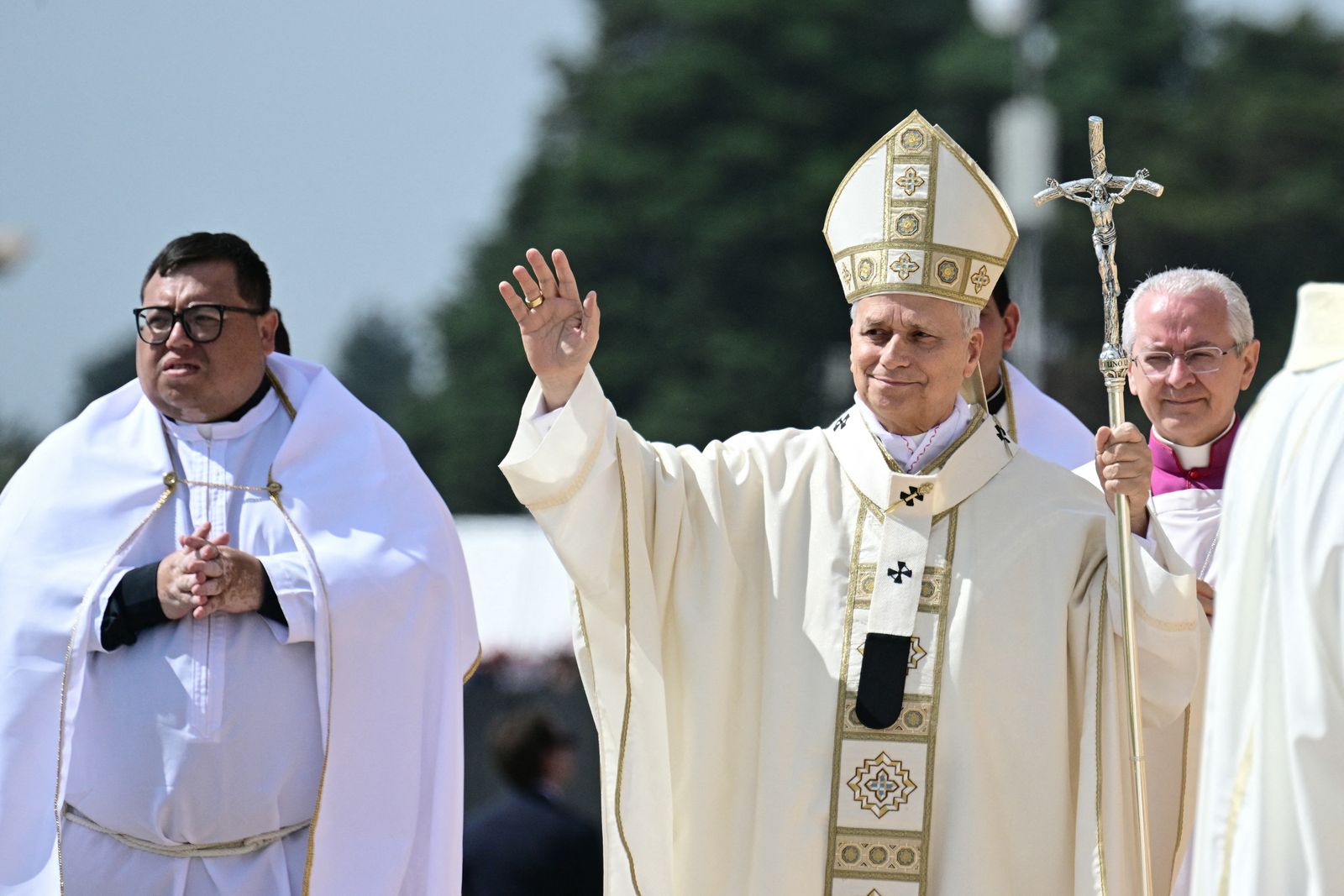
Image of Pope Leo XIV

Pope Leo XIV defended the dignity of the unborn and warned of the responsibility to protect life from its earliest stages during his first address to Argentine authorities, civil society and the diplomatic corps, held this Sunday at the Palacio Libertad in Buenos Aires.
During his address, the Pontiff questioned decisions that do not take into account the dignity of the unborn and emphasized that recognizing, welcoming and protecting that dignity constitutes a responsibility toward future generations.
"Before asking ourselves what kind of world we will leave them, we must recognize their dignity," said Leo XIV in one of the central passages of his speech, as reported by Vatican News.
Under the section "Welcoming Life Is the Future," the Holy Father insisted that the defense of human dignity cannot be limited to certain circumstances of life, but must also extend to people who find themselves in situations of greater vulnerability.
"That same dignity demands special attention in the face of illness, dependency and disability. Even then, it is our duty to care for others, alleviate suffering, accompany them and ensure that every person feels that their life always retains a value that no circumstance can diminish," he noted.
Human dignity as the foundation of the common good
The message on the protection of life was part of a broader reflection on the responsibility of authorities and society in shaping Argentina's future.
Leo XIV recalled that each generation receives a material and spiritual heritage that it must preserve and pass on to those who will come after them. "The homeland that is in your hands today will be the inheritance of others tomorrow," he said.
In this regard, he called on public officials to act in the service of the common good and to recognize the limits of the power entrusted to them. He also called for conditions that allow families to live with dignity through their own efforts, work, and abilities.
"The economy must be at the service of the person, and not the person at the service of the economy," the Pope affirmed, referring in particular to families affected by uncertainty, job seekers, the elderly and those who, despite working, struggle to meet the needs of their households.
A call to protect young people and strengthen the family
To this end, he considered it necessary to strengthen education, vocational training, universities and research. "A nation must seriously ask itself where it has failed when its young people must leave their homeland to pursue their dreams," he warned.
He also defended the importance of dialogue and democratic coexistence, even among people with differing viewpoints. In his view, democracy is strengthened through listening, seeking consensus and recognizing those who think differently as fellow citizens with a shared destiny.
In his first meeting with Argentine authorities, Leo XIV also highlighted the importance of the Christian faith in the country's cultural identity, the protection of creation, and the need for technological development, especially that related to artificial intelligence, to be accompanied by an ethical conscience.
At the conclusion of his remarks, the Pope echoed a phrase from his predecessor, Francis, addressed to the Argentine people 10 years ago: "May the Lord help you grow as a people." With this exhortation, he invited them to preserve the heritage they have received and to build an Argentina capable of passing it on to future generations.
🛠 Do you think there is an error in this article?
Recommendations





LATEST