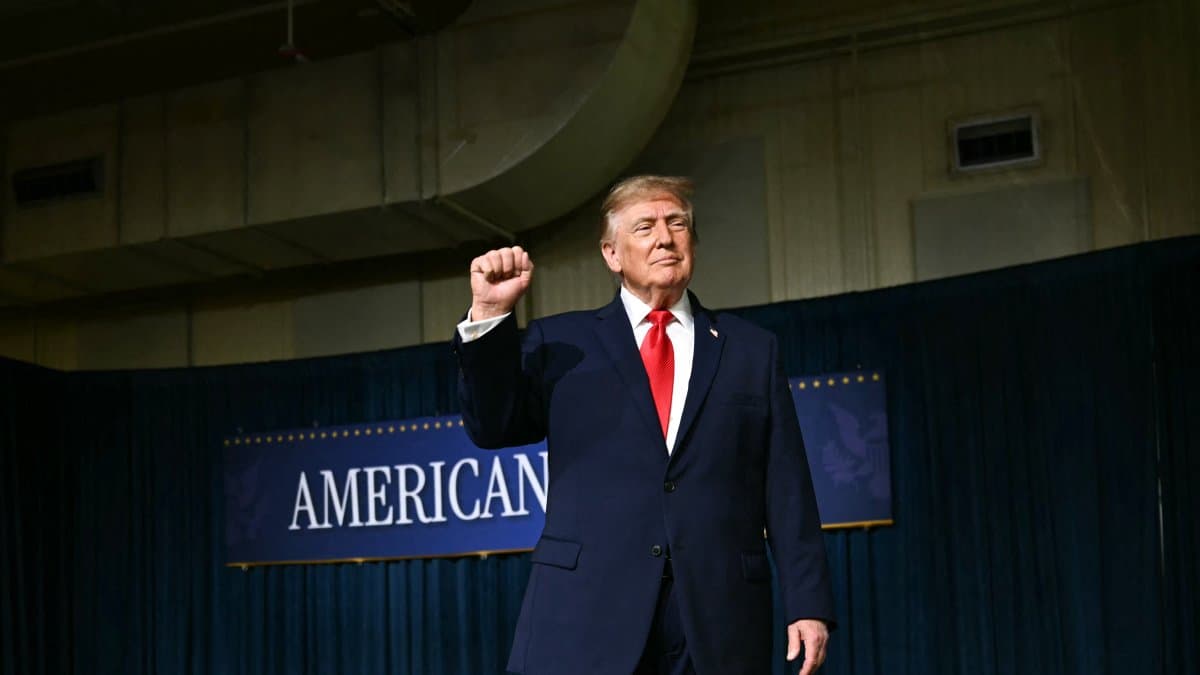
US-Iran nuclear talks planned for Thursday in Geneva
The two sides will “discuss a detailed Iranian proposal for a nuclear deal.”
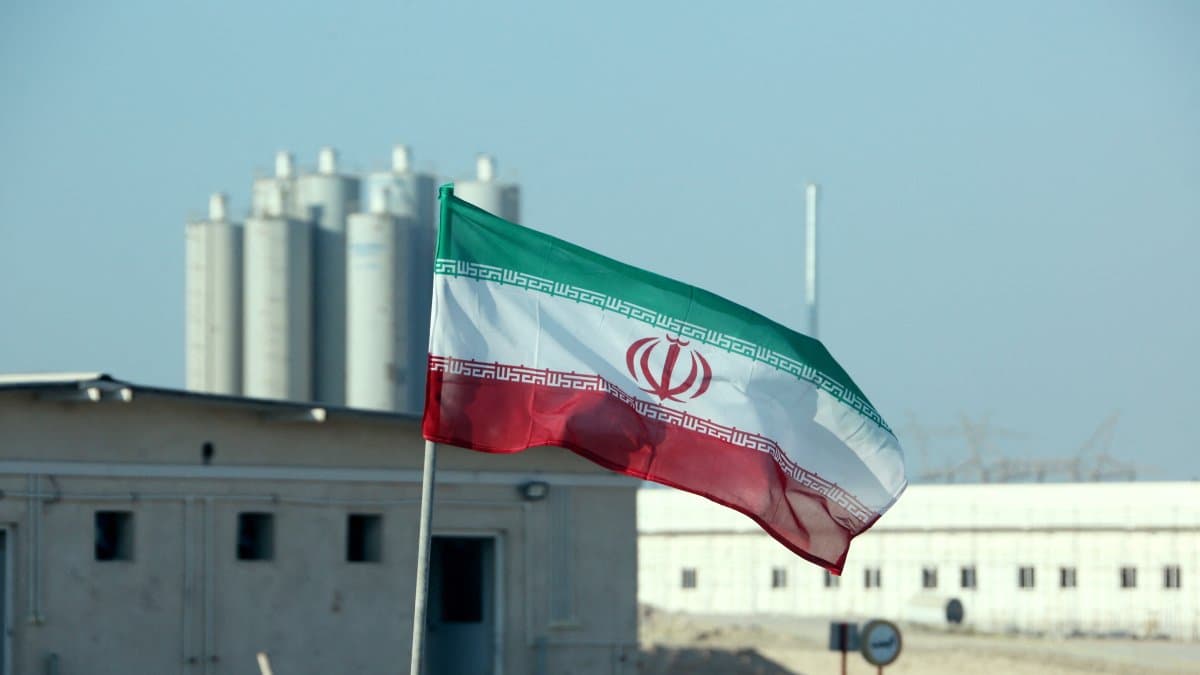

Nuclear negotiations with Iran are scheduled for Thursday, a U.S. official confirmed to Israeli journalist Barak Ravid on Sunday.
It would be the third round of indirect talks between Washington and Tehran this month. Ravid had reported earlier on Sunday for Axios that the second consecutive round of talks to be held in Geneva were expected on Thursday and that the two sides would “discuss a detailed Iranian proposal for a nuclear deal,” the draft of which the Trump administration expects to receive by Tuesday, according to a senior U.S. official.
“If Iran gives a draft proposal, the U.S. is ready to meet in Geneva in order to start detailed negotiations to see if we can get a nuclear deal,” a senior U.S. official said, confirming that the parties may also discuss the possibility of an interim agreement before a full nuclear deal is reached.
Iranian Foreign Minister Abbas Araghchi told CBS’s Face the Nation program on Sunday that he will “probably” meet on Thursday in Geneva with U.S. envoy Steve Witkoff and that the Iranians are still working on a draft proposal that hasn’t yet been signed off on by Supreme Leader Ali Khamenei.
Araghchi told journalist Margaret Brennan that they are working on “something which consists of elements which can accommodate both sides’ concerns and interests” “and prepare a good text and come to a fast deal. This is my understanding. I see it as quite possible.”
U.S. President Donald Trump’s son-in-law Jared Kushner is also participating in the indirect talks; Ravid reported that both Kushner and Witkoff are advising Trump to give diplomacy a chance before ordering a strike on Iran.
Witkoff and Kushner told Araghchi last week in Geneva that Trump’s position is zero uranium enrichment on Iranian soil, but said the United States is willing to consider an Iranian proposal allowing limited enrichment if Tehran can prove the plan blocks every path to a nuclear weapon, Ravid reported.
American officials said that the current diplomatic push is likely the last chance that Trump will give the Iranian regime before launching a major military operation that could include targeting Khamenei.
The Pentagon has assembled the largest U.S. air and naval buildup in the Middle East since the 2003 Iraq invasion, with two aircraft carrier strike groups and other warships, along with a large complement of U.S. combat and support aircraft, deployed to waters including the Arabian Sea and eastern Mediterranean.
“Iran is committed to peace and stability in the region. Recent negotiations involved the exchange of practical proposals and yielded encouraging signals,” posted Iranian President Masoud Pezeshkian on Sunday. “However, we continue to closely monitor U.S. actions and have made all necessary preparations for any potential scenario.”
The New York Times reported on Sunday that U.S. and other Western security officials are tracking heightened intelligence “chatter” they say suggests Iran could direct proxy groups—including the Houthis in Yemen, Hezbollah sleeper cells, or even Al-Qaeda affiliates—to carry out retaliatory terrorist attacks on American targets in Europe and the Middle East if Trump orders large-scale strikes on the Islamic Republic.
Araghchi told Brennan that the Israelis “couldn’t defend themselves against our missiles” during the 12-day war in June [the Israel Defense Forces says that 86% of Iranian ballistic missiles and 99% of drones were intercepted] and that “our missiles have also superiority over the space of Israel. They can hit their targets. They hit their targets in a very exact way, and they can do it again.”
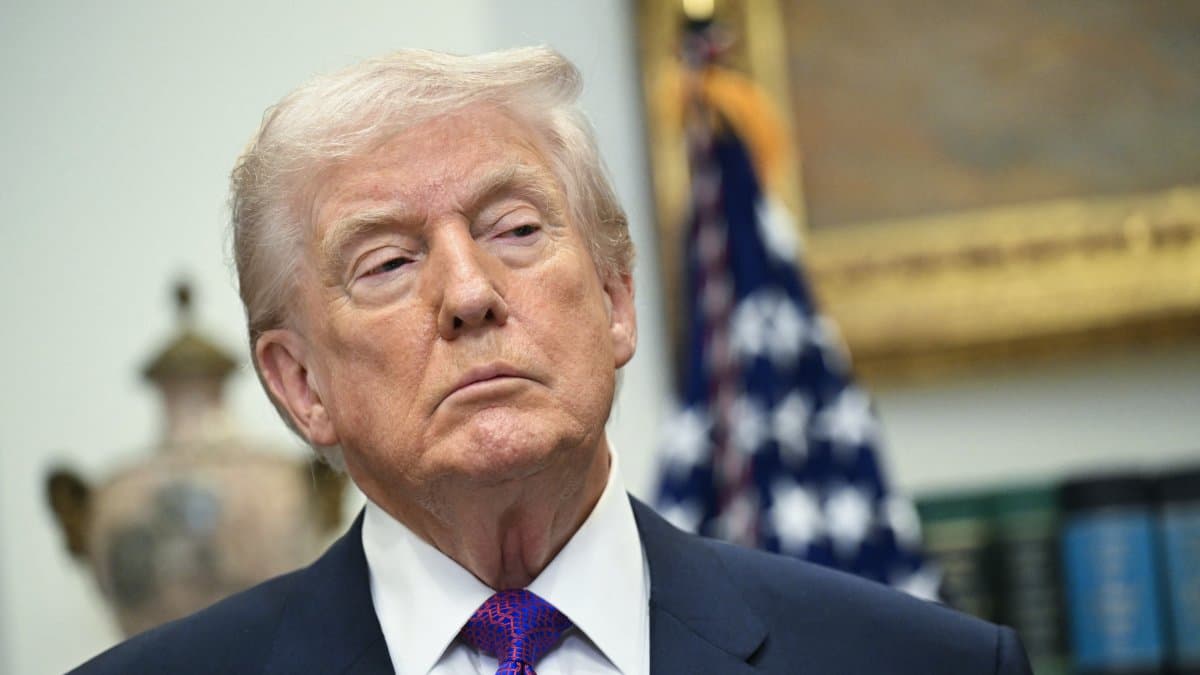
Sen. Lindsey Graham (R-S.C.) is urging Trump to move ahead with military strikes on the Iranian regime despite opposition from some of the president’s advisers, Axios reported on Sunday.
“I understand concerns about major military operations in the Middle East given past entanglements. However, the voices who counsel against getting entangled seem to ignore the consequences of letting evil go unchecked,” the Trump ally told Ravid on Saturday.
The diplomatic efforts and military tensions come against the backdrop of renewed protests in Iran; Trump said on Friday that the Islamic Republic killed 32,000 people “over a relatively short period of time,” referring to the regime’s crackdown on nationwide protests that erupted in late December.
Trump on Monday posted commentary on Iran from conservative Fox News host Mark Levin to his Truth Social account, expressing deep skepticism over any agreement with Tehran.
Levin argued that signing a deal would not change “the mindset of a terrorist regime that is slaughtering its people as I speak, that is already trying to build new nukes.”
He added, “We signed a paper. Peace in our time. No. The problem isn’t negotiations. The problem isn’t they won’t agree to this or that, or that we can get the best deal in world history. The problem is them.
“The West needs to understand what we’re dealing with. For 47 years … That regime needs to be eliminated to save our children and grandchildren from having to deal with it and to save the people of Iran who, as I speak, are being slaughtered.”
🛠 Do you think there is an error in this article?
Recommendations

LATEST