250 years of independence: The Hispanic power that contributed to the freedom of the United States
Coming from fields such as politics, diplomacy, public administration, commerce and the military, they participated in a process that the institution considers decisive for the birth of the new nation.
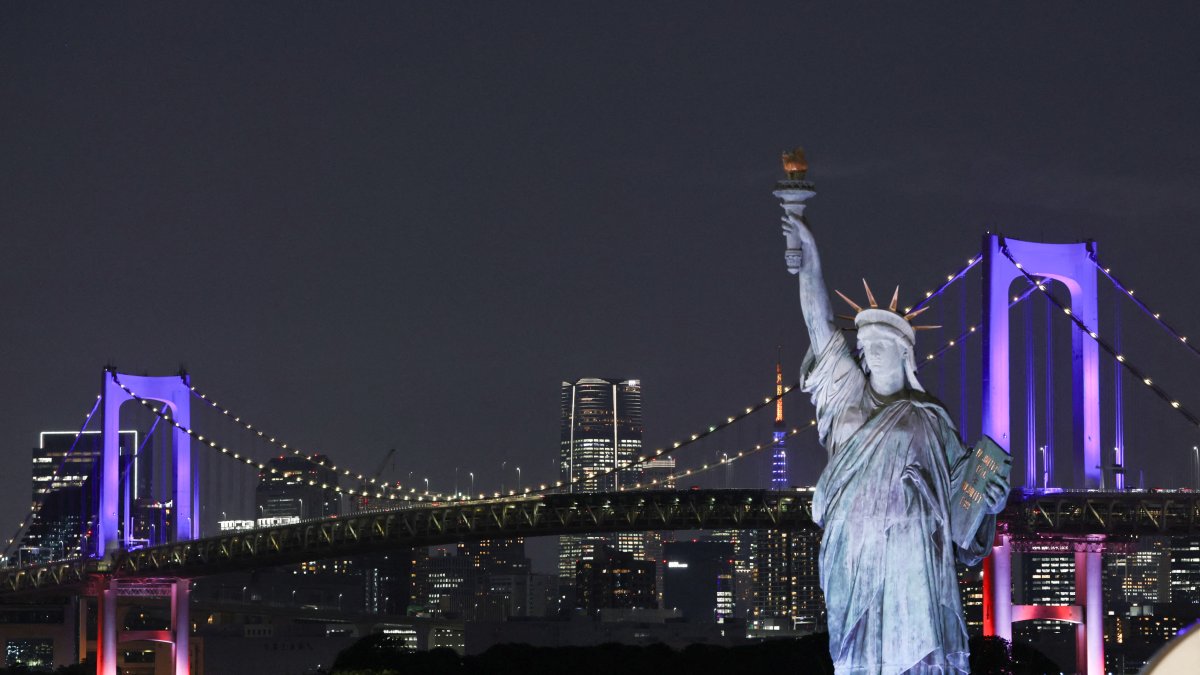
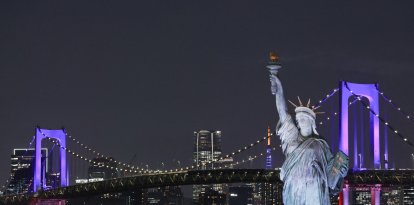
Imagen de la estatua de la Libertad

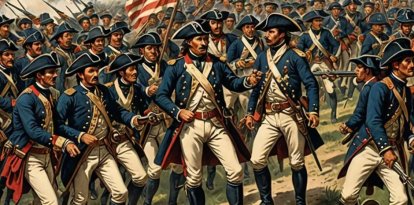
The Royal Academy of History highlights 10 figures linked to the support the Spanish Monarchy provided to the 13 colonies during the Revolutionary War. Coming from fields such as politics, diplomacy, public administration, commerce and the military, they participated in a process that the institution considers decisive for the birth of the new nation. On the nation's 250th anniversary, we take a look at who they were and what their contributions were.
- Charles III (Madrid, 1716–1788) was king of Spain during the Revolutionary War. During his reign, Spain provided financial and logistical aid to the rebels in the 13 colonies and, beginning in 1779, openly intervened in the war against Great Britain.
- Pedro Pablo Abarca de Bolea y Ximénez de Urrea, count of Aranda (Siétamo, Huesca, 1719– Épila, Zaragoza, 1798) was a military officer, diplomat, politician and businessman. He signed—as Spanish ambassador in Paris—a promissory note in 1776 for 2 million pounds sterling allocated by Spain and France to aid the British colonies in America. That same year, he participated in a meeting with Benjamin Franklin to assess Spanish aid in the war.
- Luis de Córdova y Córdova (Seville, 1706–San Fernando, Cádiz, 1796) was a naval officer and captain general of the Spanish Navy who commanded the Spanish-French fleet that attempted to invade southern England in 1779. In 1780, he captured a British convoy of 55 ships carrying weapons, troops, 80,000 muskets and more than 1 million pounds sterling intended to reinforce the British army in the colonies.
- Bernardo de Gálvez, count of Gálvez (Macharaviaya, Málaga, 1746–Tacubaya, Mexico, 1786) was a lieutenant general and viceroy of New Spain who conquered the British outposts on the Mississippi in 1779 and, in 1780, captured Mobile—operations that consolidated Spanish control over the Mississippi Valley and the Gulf of Mexico.
- José de Gálvez y Gallardo, Marquis of Sonora (Macharaviaya, Málaga, 1720–Aranjuez, Madrid, 1787) was a lawyer, councilor for the Indies, secretary of state and of the Office of the Indies, and governor of the Council of the Indies. The Royal Academy of History counts him among the key figures in Spain’s involvement in the American Revolution.
- Diego María de Gardoqui y Arriquíbar (Bilbao, 1735–Turin, 1798) was a businessman, enlightened landowner and diplomat who sent the first muskets, pistols and supplies to the rebels in 1775 and, on behalf of Charles III, subsequently organized the transport of funds, blankets, rifles, boots and fabric to the 13 colonies.
Sports
Hispanic power: Four players with Latin American roots lead team USA against Turkey
Williams Perdomo
- Juan de Miralles Trayllon (Petrel, Alicante, 1713–Morristown, New Jersey, 1780) was a merchant and businessman and is among the figures selected by the Royal Academy of History for his role in Spain’s support of American independence.
- José Moñino y Redondo, Count of Floridablanca (Murcia, 1728–Seville, 1808) was a statesman, politician and jurist, and is one of the key figures highlighted by the Royal Academy of History in this historical process.
- Juan Francisco de Saavedra y Sangronis (Seville, 1746–1819) was a military officer, diplomat and politician who delivered 2.5 million pesos in Cuba to the French allies to aid the American rebels in 1781.
- Luis de Unzaga y Amézaga, known as Le Conciliateur (Málaga, 1717–1793) was captain general of Havana, first captain general of Venezuela, lieutenant general and governor of Louisiana. He is also among the key figures in Spain’s involvement listed by the Royal Academy of History.
LATEST