







Pneumonia: What are the early symptoms, when to see a doctor and how to prevent serious complications
Pneumonia is a lung infection that can affect people of any age, although young children, older adults and those with chronic illnesses are at greater risk of developing severe cases.
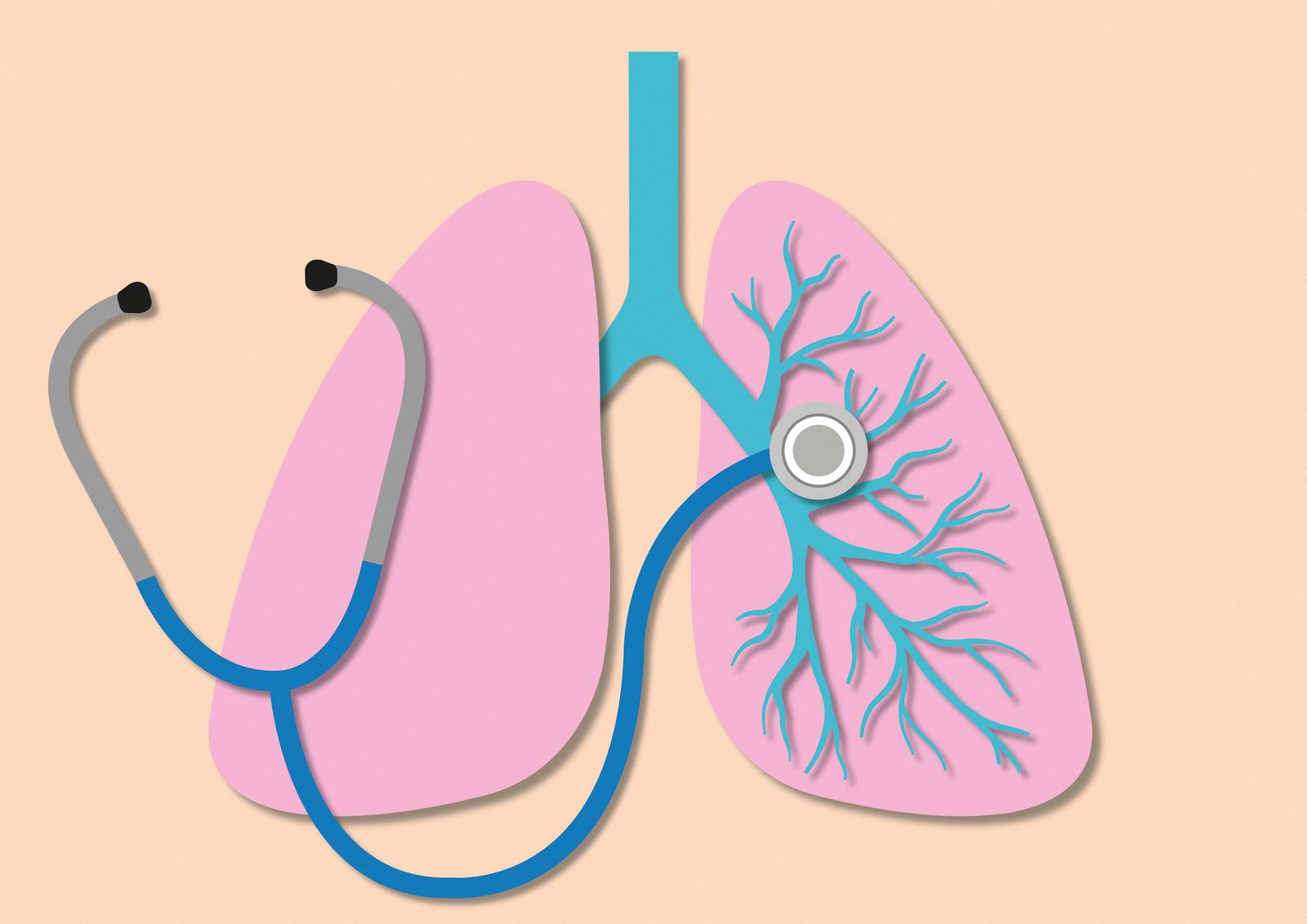
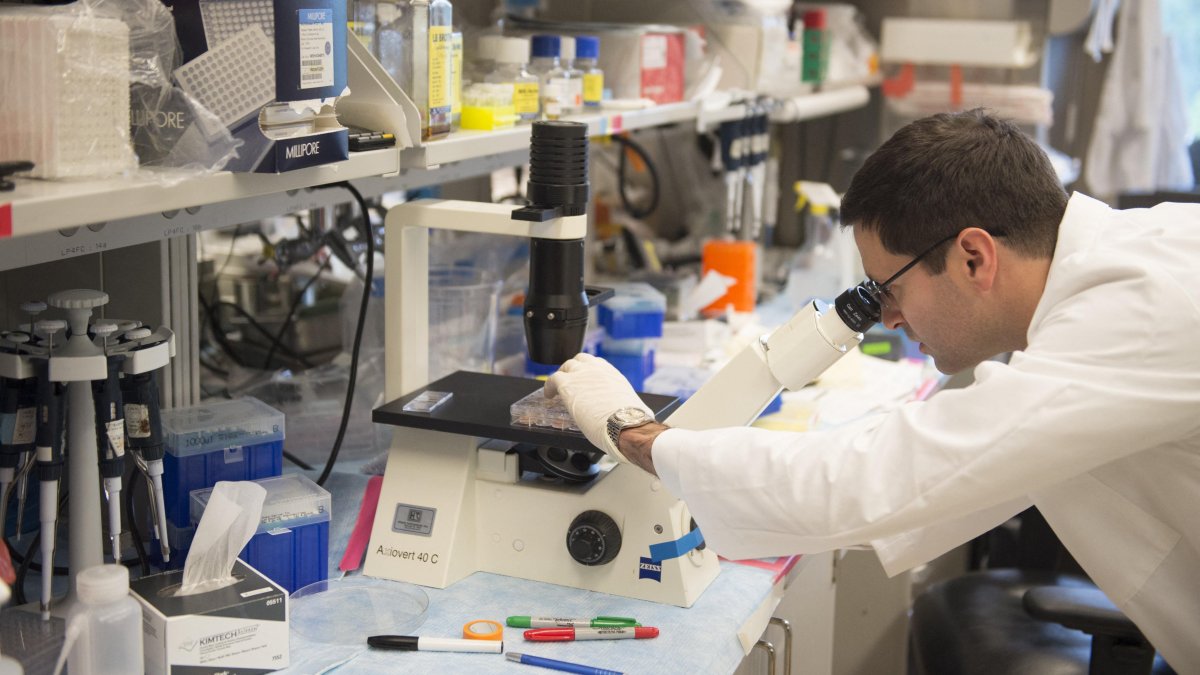
Illustration related to pneumonia (File photo)

Pneumonia remains one of the respiratory diseases of greatest concern to health authorities. Every Nov. 12, World Pneumonia Day aims to raise awareness about an infection that is preventable in many cases and for which early diagnosis is essential to avoid serious consequences.
According to the World Health Organization (WHO), this disease caused the deaths of 740,180 children under the age of five in 2019, accounting for 14% of deaths in that age group.
Although it may initially be mistaken for the flu or a cold, pneumonia requires special attention when breathing difficulties, persistent fever, or a deterioration in overall health occur, especially in the most vulnerable people.
What is pneumonia and what causes it?
Pneumonia is an infection that affects one or both lungs and causes inflammation of the alveoli, small air sacs that allow for the exchange of oxygen. When an infection occurs, these sacs can fill with fluid or pus, making it difficult to breathe.
According to the Centers for Disease Control and Prevention (CDC), it can be caused by bacteria, viruses and, less commonly, fungi.
Microorganisms associated with this disease include pneumococcus (Streptococcus pneumoniae), the influenza virus, respiratory syncytial virus (RSV) and SARS-CoV-2, the virus responsible for COVID-19.
Health
Melania Trump promotes new women's health initiatives on World Breast Cancer Day
Diane Hernández
What are the early symptoms of pneumonia?
Symptoms can vary depending on age, health status and the microorganism causing the infection. According to the guide published by Infobae, the most common symptoms include:
- Persistent cough, with or without phlegm.
- Fever, chills, and sweating.
- Chest pain, especially when taking a deep breath or coughing.
- Difficulty breathing or a feeling of shortness of breath.
- Severe fatigue and general weakness.
- Faster-than-usual breathing.
- Loss of appetite and general malaise.
In older adults, pneumonia can also present as confusion, drowsiness, or sudden changes in mental status, even without a high fever.
When should you see a doctor for possible pneumonia?
Signs that require urgent medical attention
The severe breathing difficulties, blue or grayish lips or skin, sudden confusion, loss of consciousness and severe chest pain are signs that require emergency care.
It is also important to seek medical evaluation if you have a fever that persists or worsens, a cough accompanied by difficulty breathing, or a noticeable deterioration in your health.
In infants and young children, special attention should be paid to rapid breathing, retraction of the ribs when inhaling, difficulty feeding and unusual lethargy.
The CDC warns that respiratory infections can lead to life-threatening complications, such as respiratory failure and sepsis.
Who is at the highest risk of developing severe pneumonia?
Although anyone can develop the disease, certain groups are at higher risk:
- Children under five years of age, especially infants.
- Adults over 65 years of age.
- People with asthma, chronic obstructive pulmonary disease (COPD), diabetes, or heart disease.
- Patients with weakened immune systems.
- People who smoke or are regularly exposed to secondhand smoke.
How can pneumonia be prevented?
The WHO notes that prevention involves a combination of vaccination, hygiene measures and reducing risk factors.
Key recommendations include keeping recommended vaccinations up to date based on age and medical conditions, especially those targeting pneumococcus, the flu and other respiratory infections; washing your hands frequently; avoiding smoking; improving indoor ventilation; and managing chronic conditions.
Vaccination does not completely eliminate the risk of developing pneumonia, but it can reduce the likelihood of serious infections and complications caused by certain microorganisms.
How is pneumonia diagnosed?
The presence of a cough and fever does not necessarily mean that a person has pneumonia, so it is important to avoid self-diagnosis.
What is the treatment for pneumonia and how long does it take to recover?
Treatment depends on the cause and severity of the disease. Bacterial pneumonia usually requires antibiotics, while certain viral infections can be treated with specific antiviral medications.
Mild cases can be treated at home under medical supervision, but people with severe cases may require hospitalization, supplemental oxygen and other care.
Recovery time varies. Some people improve within the first week of treatment, although a cough and fatigue may persist for several weeks. In older adults or patients with underlying medical conditions, recovery may take longer.
Antibiotic resistance poses another challenge. The WHO warns that using these medications without a doctor's prescription contributes to the emergence of resistant bacteria, which can make it harder to treat future infections.
Politics
The Trump administration unveils a national plan to expand kidney transplants and increase competition in healthcare
Luis Francisco Orozco
Is pneumonia contagious?
Pneumonia is not always transmitted directly from one person to another, but many of the viruses and bacteria that can cause it are contagious.
These microorganisms can spread through respiratory droplets when speaking, coughing or sneezing. Therefore, it is advisable to practice good hygiene, ventilate enclosed spaces and avoid close contact with vulnerable people when symptoms of a respiratory infection are present.
On this World Pneumonia Day, specialists remind us that recognizing the early symptoms, keeping vaccinations up to date and seeing a doctor promptly can make the difference between a treatable infection and a condition with serious complications.
🛠 Do you think there is an error in this article?
Recommendations





LATEST


