Don't Let China Intimidate Us on AI
The Trump administration—unfortunately—has decided to help China out in that regard. President Donald Trump has granted export licenses for chip sales to that regime. Chinese companies have reportedly ordered $35 billion worth of semi-advanced Nvidia microchips. China can compete with the U.S. in AI only if it has access to American chips.
Artificial Intelligence Image
Published
On October 16, China's Ministry of Commerce proposed export controls on 23 artificial intelligence technologies. The proposed rules are part of a larger package covering 40 technologies in the AI, biomedicine, and photovoltaics sectors, prohibiting the export of some and imposing restrictions on others.
The potentially comprehensive Chinese regulations appear to be Xi Jinping's latest move in the AI wars. As is often said, whichever country dominates AI will dominate the century.
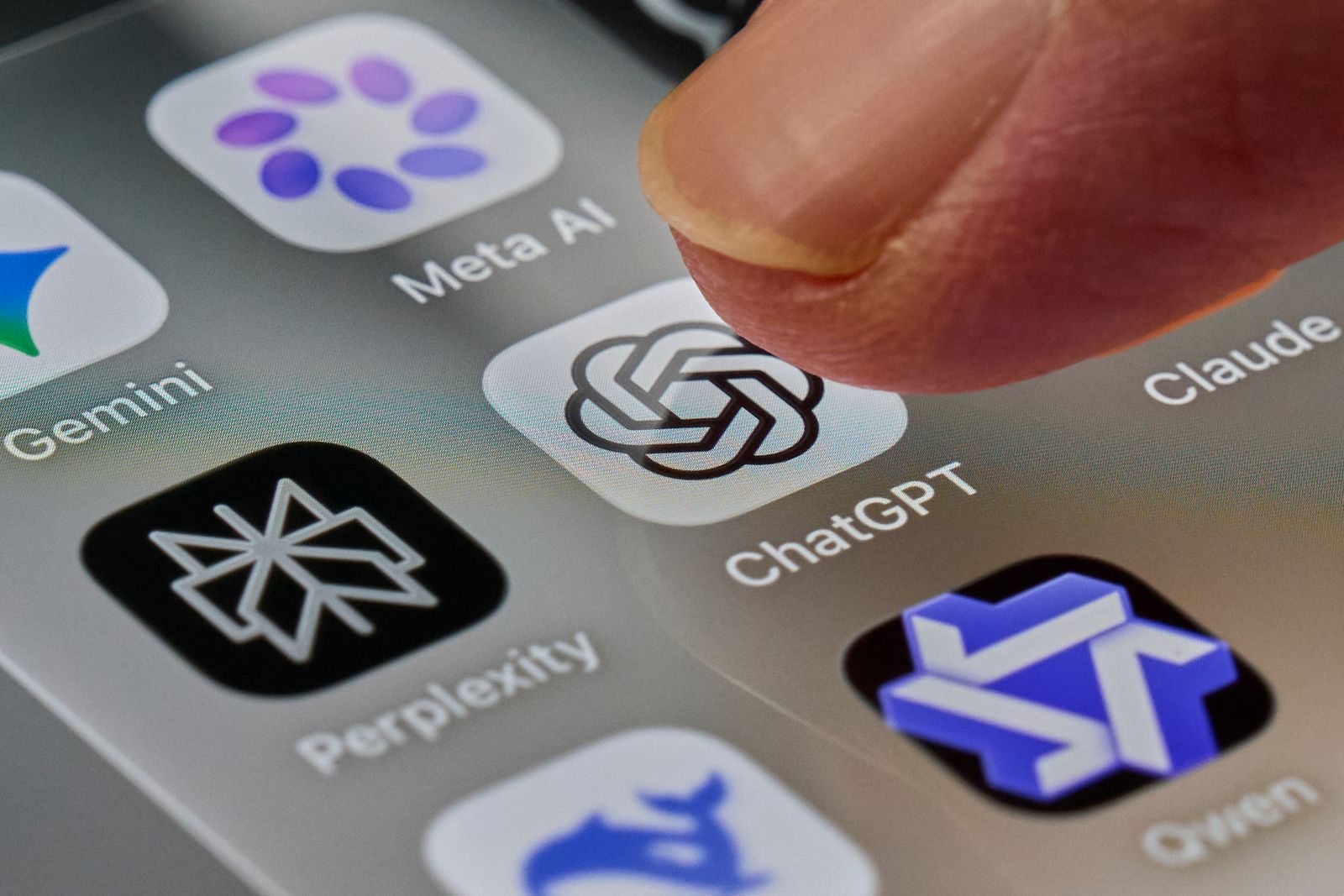
China's cutting-edge AI models, just months behind America's in sophistication, are popular with users. "By making advanced AI models easily available, Chinese companies have turned open access into one of China's most powerful advantages in its rivalry with the United States to shape the future of the technology," reports the New York Times. Users can download and customize China's open-weight models as they wish. The proprietary models from Anthropic and other American developers cannot be modified.
China understands that the stakes in this contest are extraordinarily high. "Open source vs. closed source," wrote Chen Deli, a senior researcher at Chinese AI developer DeepSeek. "A decisive battle between two futures, two destinies for humanity."
"However long they want to fight, we'll fight," Chen also wrote. "Until total victory."
Chen's assertive comments come as DeepSeek released DeepInfer, a tool to help AI models run more efficiently.
The Chinese regime is hoping to create a bloc. In July, China and 28 other countries formed the World Artificial Intelligence Cooperation Organization at the World Artificial Intelligence Conference in Shanghai. Since then, nine others, including Iran, have joined.
WAICO, as the Chinese-led grouping is now known, is seen as a rival to Washington's Pax Silica initiative, which boasts 24 members and others that have endorsed its principles and objectives. Only one nation, Kazakhstan, is a member of both the American and Chinese coalitions.
The world is splitting into two AI camps—one led by Beijing and the other by Washington—with each side seeking to have the world adopt its models. To gain the upper hand, the U.S. is now beginning to restrict the use of Chinese AI models domestically. On October 19, the Department of Homeland Security ordered the removal of DeepSeek products from all federal civilian information technology systems and procurements. Last year, the Commerce Department prohibited DeepSeek on government devices, and the U.S. Navy ordered all personnel not to use that company's products.
The Trump administration in 2026 has been considering banning Chinese AI from the U.S. for national security reasons, but so far has not done so in the face of vigorous opposition from the industry.
China is far more determined than the United States. On April 27, the powerful National Development and Reform Commission announced that it had blocked Meta Platforms' acquisition of Manus, which had agreed to acquire the Chinese AI startup for more than $2 billion. In March, the two Manus co-founders were barred from leaving China.
Since then, China has required government approval for international travel by top AI researchers and executives and their family members.
The Trump administration is moving in the right direction, but it needs to fight back harder and faster.
The United States, despite what the defeatists say, has the tools to dominate AI. Chip sales are critical. China's Moonshot AI had to limit subscriptions to its popular Kimi K3 model in July due to a lack of computing power.
The Trump administration—unfortunately—has decided to help China in this regard. President Donald Trump has granted export licenses for chip sales to that regime. Chinese companies have reportedly ordered $35 billion worth of semi-advanced Nvidia microchips. China can compete with the U.S. in AI only if it has access to American chips.
Why are we selling them to China? Commerce Secretary Howard Lutnick in July 2025 said that the administration wanted to keep China dependent on the American technology stack.
In practical terms, this is an unattainable goal. Xi is determined to make China the world's leader in semiconductors. For instance, his "Made in China 2025" initiative identified microchips as one of his regime's core priorities.
All the United States is doing by selling chips right now is helping the Chinese bridge a critical gap. Why would we want to do that?
"As of now, there are two visions for artificial intelligence development in the world: one from China and the other from the United States," Brandon Weichert, senior national security editor at 19FortyFive.com, told Gatestone at the time of the Manus reversal. He called the reversal of the merger "part of a larger geopolitical picture."
Xi must know that he cannot win a contest against a determined United States. He is counting on the United States not to fight back.
No. Let's start fighting back!
Gordon G. Chang is the author of Plan Red: China's Project to Destroy America, a distinguished senior fellow at the Gatestone Institute, and a member of its Advisory Board.
Originally published by Gatestone Institute. Author: Gordon G. Chang. Read the original.
🛠 Do you think there is an error in this article?
Recommendations






LATEST