






PPI soars in September amid war with Iran, putting the resilience of Trump's economy to the test
The Producer Price Index (PPI) rose 6.3% compared to the same month a year ago, according to the Bureau of Labor Statistics (BLS), exceeding analysts' forecasts.
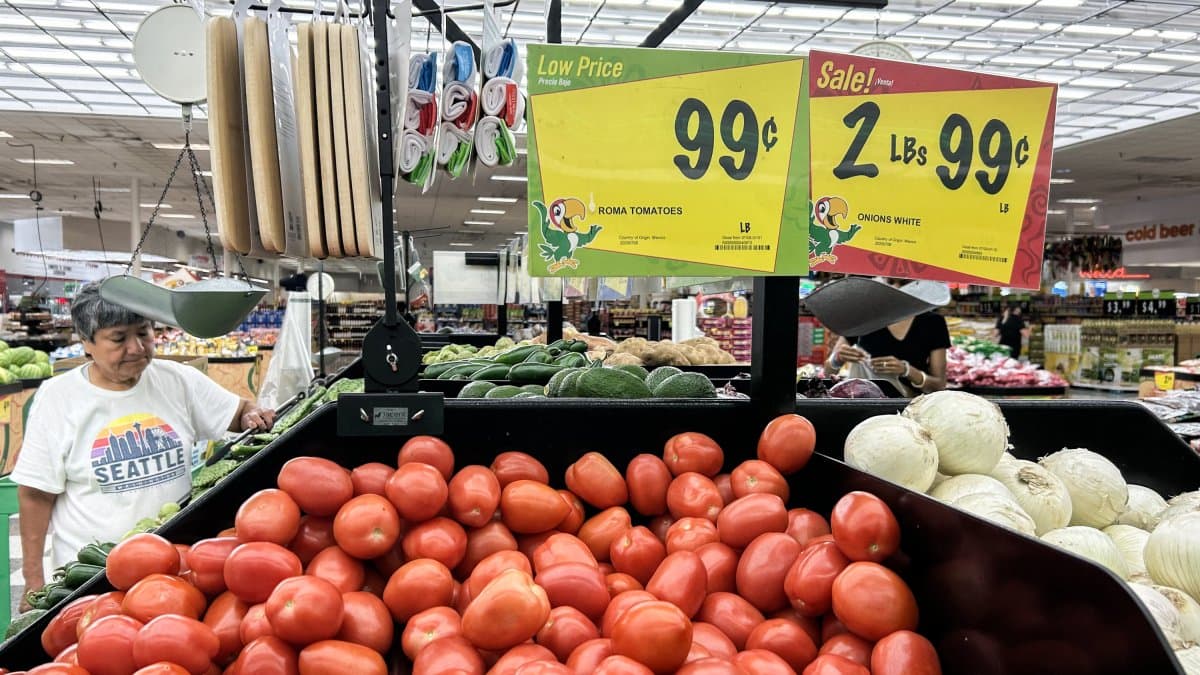
Grocery store in Houston—File photo

Inflation in the production chain accelerated in September to its highest year-over-year increase since 2022, driven by rising energy costs following the start of the war against the Iranian regime.
The Producer Price Index (PPI) rose 6.3% compared to the same month last year, according to the Bureau of Labor Statistics (BLS), exceeding analysts' forecasts. The market had expected a 5.5% year-over-year increase, according to MarketWatch.
The cause: War with Iran
The monthly increase in the PPI was 1.3%, the largest in more than four years. The trigger was energy: since the United States and Israel launched the war against the Iranian regime in late February, the price of crude oil and its derivatives has surged sharply, driving up the cost of diesel, gasoline, and logistics across the entire economy.
The effect had already been felt in August, when the final demand PPI rose by 0.4% month-over-month and 5.4% year-over-year. That month, more than a third of the increase in final-demand goods was attributed to diesel, which skyrocketed by 24.1%.
In September, the upward pressure continued. Gasoline was the main driver of the increase in PPI goods prices, with a rise of 20.3%, according to BLS data. Gasoline rose 9.1% month-over-month in the Consumer Price Index and accounted for more than half of the total CPI increase, while the price of unleaded gasoline has risen 45% since late February. Prices also rose for diesel, fresh and dried vegetables, jet fuel, residential electricity, and crude oil.

Core inflation: The key figure to watch
Excluding food and energy, the PPI rose 0.7% month-over-month and 5% year-over-year in September. That figure warrants attention: if production costs continue to rise beyond oil prices, companies will have less room to absorb them and will ultimately pass them on to consumers.
Consumer inflation had already risen to 3.7% year-over-year in September, above the 3.6% forecast. But the cause remains primarily energy-related, not structural. Despite the spike in prices, retail sales rose 0.8% month-over-month in September, according to the Department of Commerce, with increases at restaurants, bars and gas stations.
🛠 Do you think there is an error in this article?
Recommendations




LATEST