Trump allocates more than $100 million to transform school lunches
The initiative aims to modernize kitchens, increase the purchase of locally sourced foods and fund research to reduce added sugars and ultra-processed foods in schools.
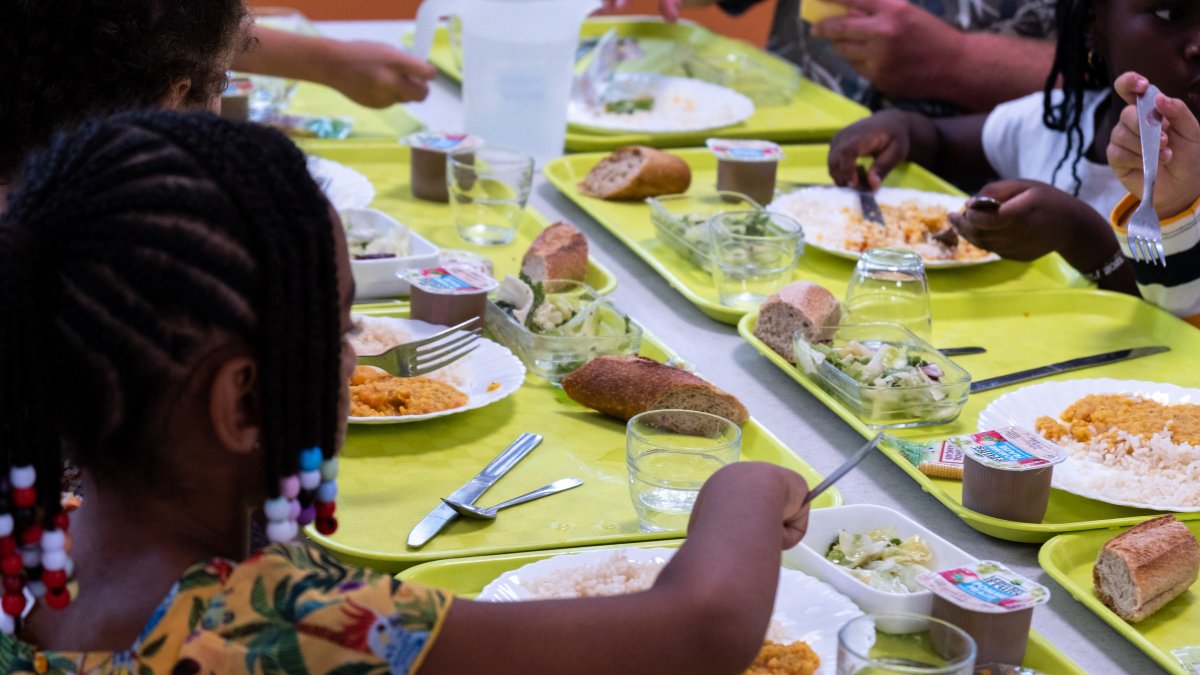
File photo of a school lunch (Archive)

The Trump administration announced an investment of more than $100 million to strengthen school feeding programs across the country, with new funds allocated to infrastructure, the purchase of local products and research on child nutrition.
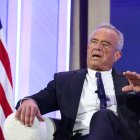
The initiative, called "Harvest to Hallways," was unveiled Monday by Agriculture Secretary Brooke Rollins, and Secretary of Health and Human Services Robert F. Kennedy Jr. as part of the Make America Healthy Again agenda.
New kitchens and more local food
The Department of Agriculture (USDA) will allocate an additional $50 million to improve school cafeteria infrastructure, including the purchase of stoves and refrigeration equipment. These funds are in addition to the $20 million previously announced for school lunch program equipment.
In addition, the USDA will provide up to an additional $25 million through the Farm to School program, designed to make it easier for schools to incorporate locally produced food while also opening new markets for U.S. farmers and ranchers.
"We're connecting schools with farmers and ranchers in their own communities" and providing school nutrition professionals with the equipment needed to prepare "real food," Rollins explained.
Kennedy takes aim at ultra-processed foods
Kennedy noted that the government will explore measures ranging from modernizing kitchens and preparing more food from scratch to reducing added sugars and ultra-processed foods.
The measures aim to accelerate the implementation in schools of the Dietary Guidelines for Americans 2025–2030, released in January and focused on prioritizing protein, fruits, vegetables, healthy fats and whole grains, while recommending limiting highly processed foods and added sugars.
"Every school meal should make a child healthier," Kennedy said when presenting the initiative.
LATEST