






End of an era: Social Security full retirement age set to change in 2026
This adjustment, agreed to 42 years ago, will primarily affect younger baby boomers (1960-1964) and, especially, Generation X (1965-1980) and all subsequent generations.

Starting in 2026, the latest planned increase in the Full Retirement Age (FRA) of U.S. Social Security will take effect. People born in 1960 or later will have to wait until age 67 to collect 100% of the benefits to which they are entitled, thus culminating the schedule of increases approved in the 1983 reform.
What exactly does this change mean?
- Currently, the FRA is 66 years and 10 months for those born in 1959.
- In 2026 it will reach exactly 67 years for all those born after 1960.
- Those born in 1960 will reach that full age in 2027 (not 2026).
This adjustment, agreed to 42 years ago, will affect mainly younger baby boomers (1960-1964) and, especially, Generation X (1965-1980) and all subsequent generations.
Several generations affected
Max Richtman, president and CEO of the National Committee to Preserve Social Security and Medicare, describes it this way, “Raising the retirement age is an effective cut in lifetime benefits for younger baby boomers, members of Gen X and all the generations after," said Max Richtman, CEO of the advocacy group National Committee to Preserve Social Security and Medicare” according to a report from CBS News.
A chapter closes
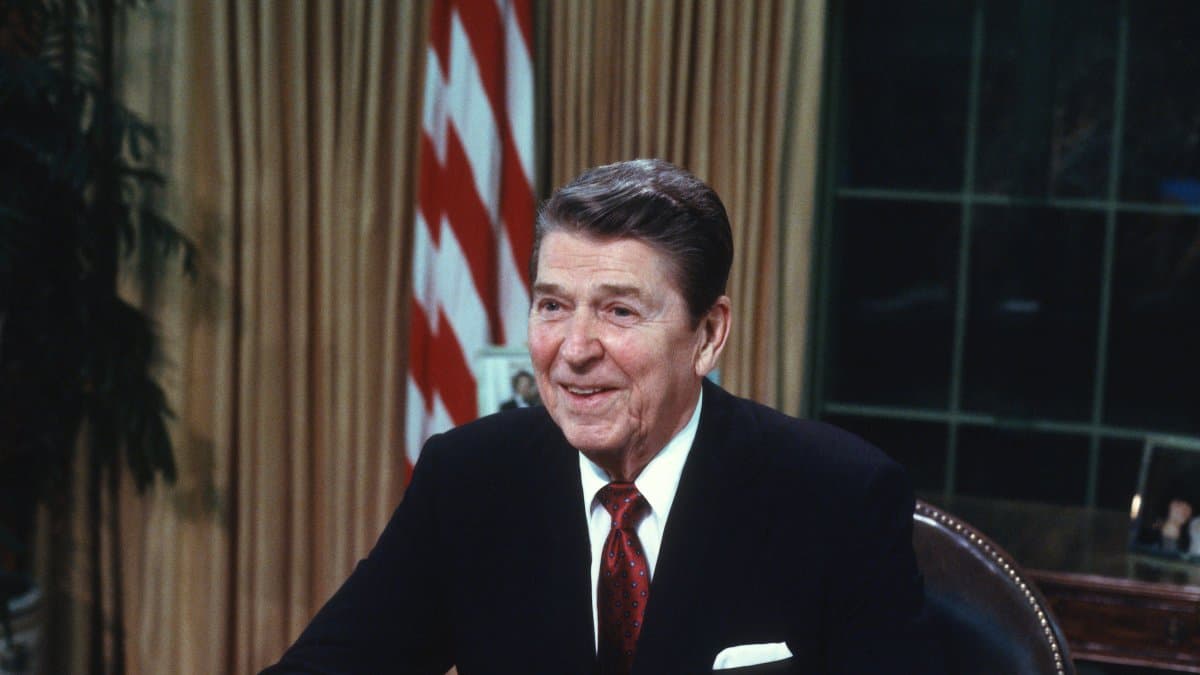
In that regard, on April 20, 1983, President Ronald Reagan signed the Social Security Amendments of 1983 (Public Law 98-21), a landmark law that saved the program from immediate insolvency and, among other measures, provided for a gradual increase in the full retirement age from 65 to 67.
Reality clashes with expectations
However, several studies show a persistent gap between what Americans believe and what actually happens:
- The actual median retirement age in the U.S. is 62, not the 65 that many expect.
- Nearly 60% of current retirees retired earlier than planned, primarily because of health problems or job loss (Transamerica Center for Retirement Studies).
- 44% of workers plan to apply for Social Security before their FRA, accepting a permanent reduction of up to 30% in monthly benefits.
- Nine in ten workers state that they do not plan to wait until age 70—an age that maximizes the benefit with a 24% increase over the FRA, despite traditional financial recommendations.
What can be done about it?
In that regard, experts recommend reviewing as soon as possible the benefit projection in the official calculator for Social Security and bolster private savings or 401(k)/IRA plans to the extent possible.
🛠 Do you think there is an error in this article?
Recommendations







LATEST