The shutdown is over — but Schumer’s future is now in doubt
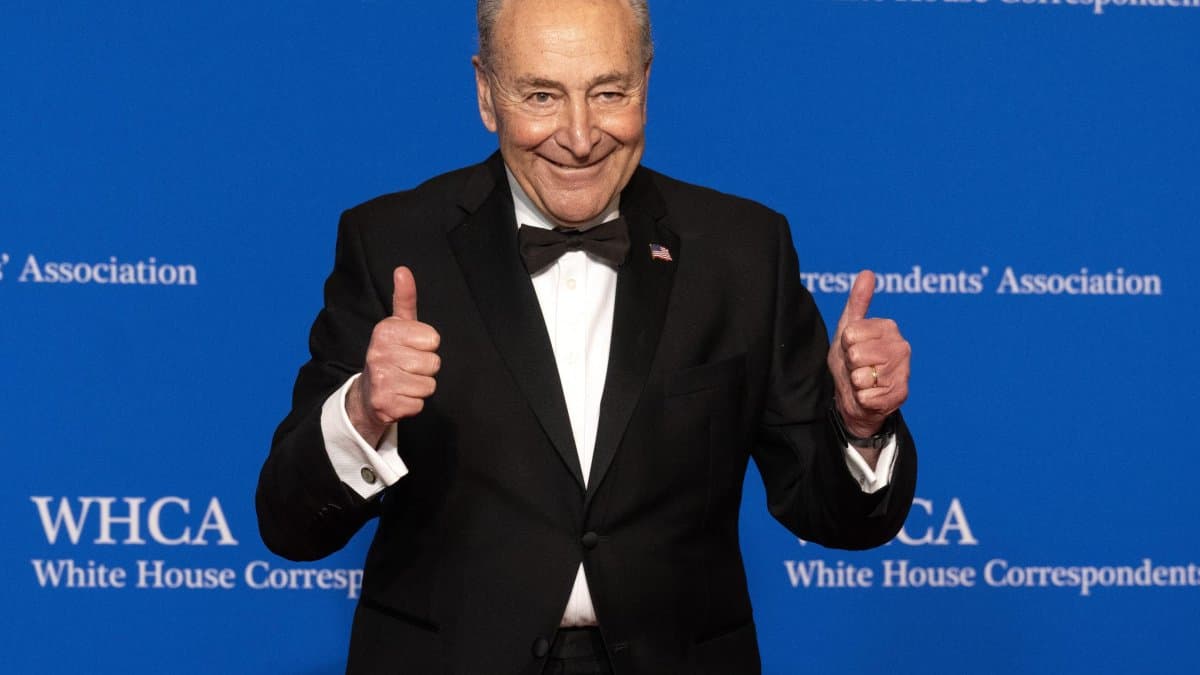
One of the biggest losers after weeks of the shutdown is the Senate minority leader, and a key question for Democrats now is what the future holds for him.
Published
At a time when the Democratic Party is unclear about its future, another key question adds to the task of reinventing itself: What to do with Schumer? At least a dozen Democratic congressmen have already openly called for the Senate leader to step aside after his questionable handling of the government shutdown. However, the decision is not an easy one, especially for moderates.
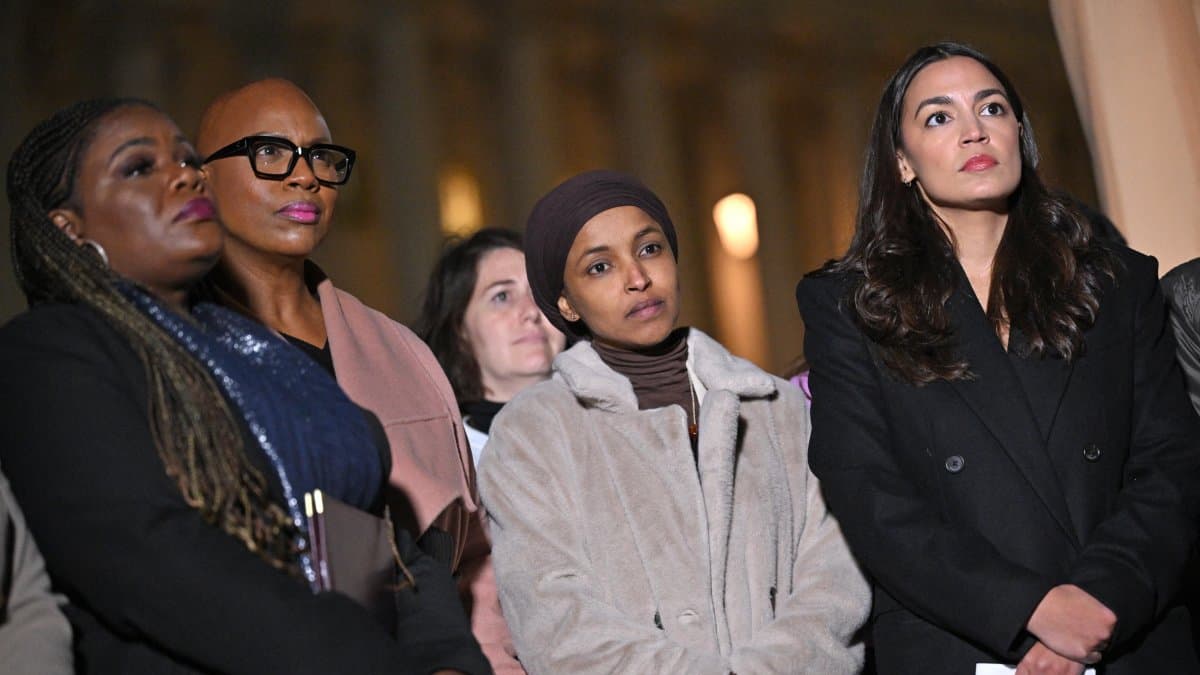
For the radical wing of the party, with Alexandria Ocasio-Cortez as its most visible face, there is no doubt that Senator Chuck Schumer should be replaced, of course, by someone more radical. Some reports have indicated that the representative would even be preparing to challenge Schumer in the 2028 primary and take his place as Senate leader. AOC and his teammates have said Schumer doesn't have the strength to take on President Donald Trump.
Meanwhile, the more moderate simply don't want to discuss the issue, at least not for now. They dare not criticize Schumer openly, but neither do they defend him clearly. Although the leader of the Democrats has a historically low popularity, opening the space for his replacement would be to risk someone as radical as AOC taking the leadership of the party.
According to a Siena College poll, the senator has a favorability rating of 39% in favor versus 49% against, a figure that leaves him "underwater," with a negative net approval. Polls even show him with historically low approval among moderate Democrats.
The New York senator evidently failed the extreme wing because he couldn't keep the government shutdown going any longer, and eight Democrats eventually joined the Republicans in voting against Schumer's leadership. But he also failed the moderates, because his decision left the party in a very complicated situation. Schumer decided to toe the AOC line and send the country into the longest shutdown in its history, accomplishing absolutely nothing. His plea on Obamacare subsidies went unheeded, and all they accomplished was to make millions of Americans suffer during the weeks of the shutdown.
It should be apparent to most moderate Democrats that Schumer made a personal decision not to antagonize AOC and avoid confrontation; he led the party to a government shutdown, putting several senators and congressmen in a rather complicated situation who saw their constituents suffer for weeks and, in the end, simply couldn't get anything in front of the healthcare issue, which was their main request.
But although the reasons for removing Schumer from leadership are clear and strong, the gamble is dangerous, not only because the possible replacement could be the radical leftist AOC, but also because it is difficult to identify a moderate leader within the party who manages to excite the grassroots and position himself as Schumer's replacement.
The Democratic Party will have to make very important decisions in the coming months, including the decision of who will be its leader. While the gamble of changing him involves the risk of giving the job to AOC, doing nothing about it does not seem like a solution for the party either. Schumer has demonstrated with this government shutdown that the fear he has of extremists is greater than the respect he has for his moderate co-supporters and millions of voters.
🛠 Do you think there is an error in this article?
Recommendations




LATEST