Mamdani and the moral litmus test of Cuba and Venezuela
By refusing to openly condemn of Maduro and Díaz-Canel, Mamdani displayed an ethical double standard that undermines the credibility of his democratic socialism among Hispanic voters.
Published
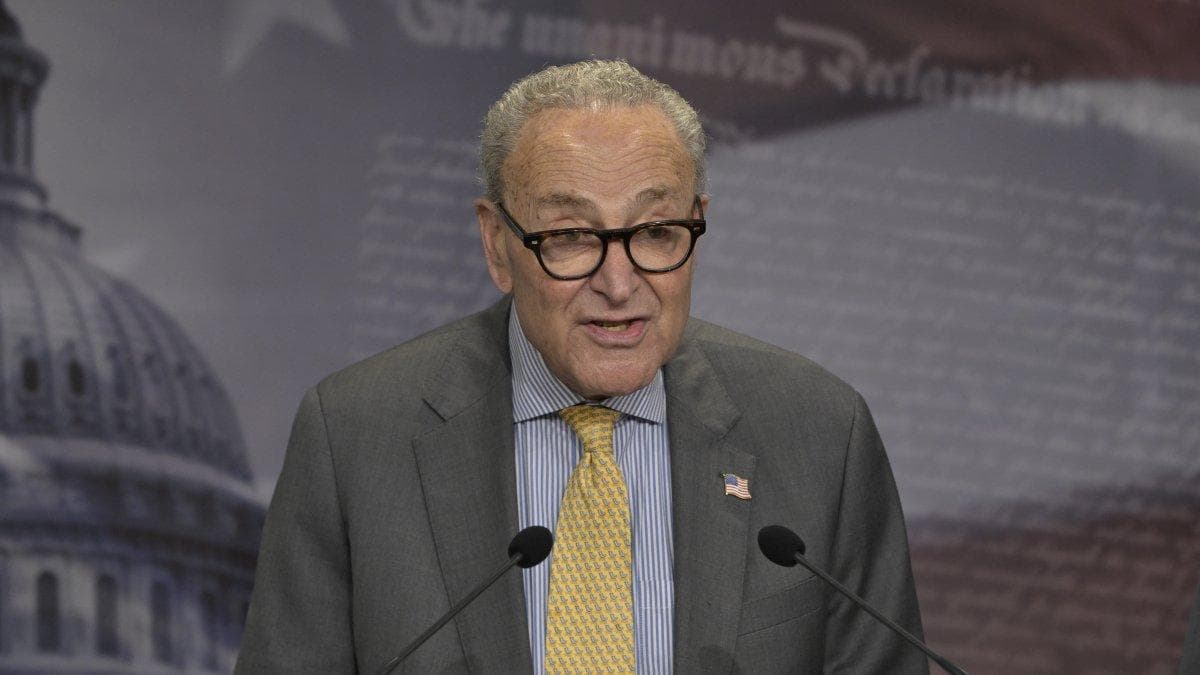
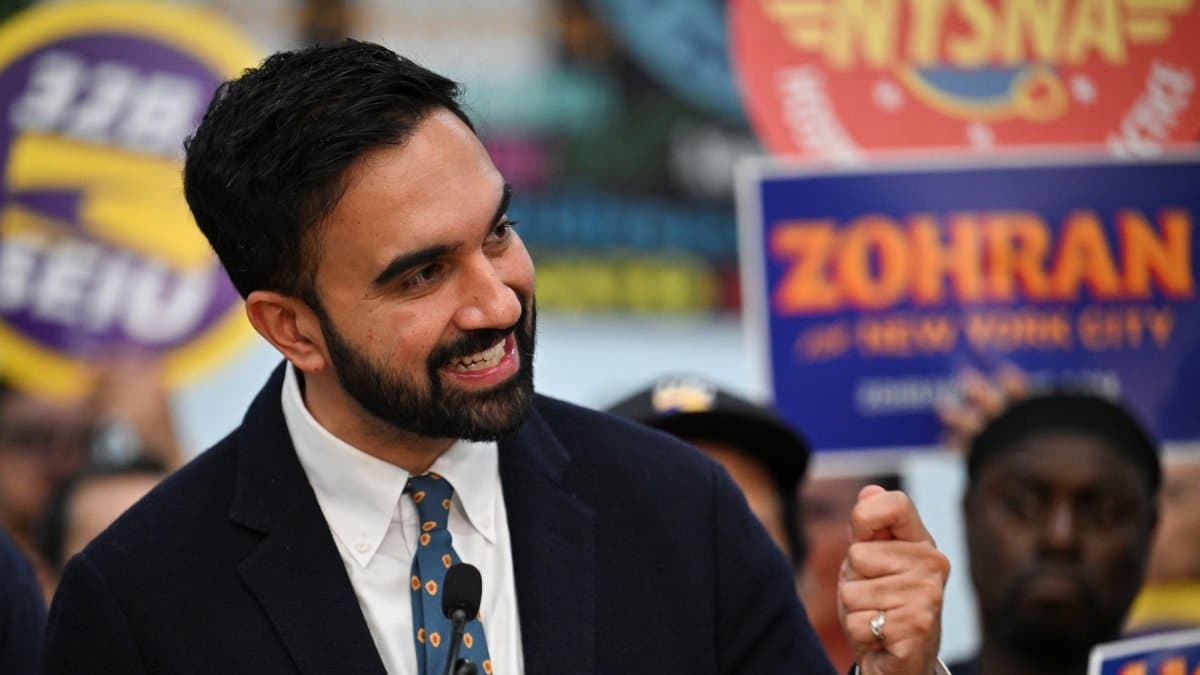
The fact that a candidate for mayor of New York cannot name Nicolás Maduro and Miguel Díaz-Canel as dictators is not a rhetorical slip, but a moral confession: Zohran Mamdani, when questioned, preferred evasiveness to clarity.
His interview with Jorge Ramos was a golden opportunity for Mamdani to distance himself from leftist authoritarianism. Many fear that his vision of democratic socialism could be confused with that of repressive regimes. By simply acknowledging that Cuba and Venezuela are dictatorships, Mamdani could have drawn a clear moral boundary to demonstrate that his socialist project seeks the welfare of the people without falling into abuses of power.
However, the candidate left the opposite impression. By refusing to openly condemn Díaz-Canel and Maduro, he maintained ambiguity and muddied the waters on where his ideology draws the line. Faced with that reality, Mamdani was supposed to offer assurances, but failed to give a forceful response.
Only days later, after the commotion caused, his campaign issued a statement clarifying that they were indeed dictators. The rectification came late and looked forced, underscoring that initially Mamdani did not have the conviction or political courage to say openly what many expected to hear.
Behind the unease toward Mamdani's response are the inescapable facts about Cuba and Venezuela. About 7.9 million Venezuelans have left their country seeking protection and a better life. In Cuba, between 2022 and 2023 alone, emigration from the island reached roughly 1.79 million people.
After the July 2024 election in Venezuela, the Maduro regime arrested more than 2,400 people and killed at least 25 protesters. Following protests in Cuba in July 2021, more than 700 Cubans remain political prisoners solely for thinking differently.
Religious repression is also a daily occurrence in Cuba and Venezuela. In Cuba, 936 violations of religious freedom have been documented in 2023; while in Venezuela, the GNB has detained important religious figures, and regulators closed at least 285 media outlets since 2003. Not calling these regimes "dictatorships" masks the attack on the exercise of religion, a fundamental human right, and one that he intends to defend in New York among Muslim communities.
For any New Yorker of Hispanic origin, especially those from Latin America, Mamdani's answers are tantamount to showing his cards. New York is home to immigrant communities from across the continent, including people who fled Castro's Cuba or Chavista Venezuelan. These voters know firsthand what socialist censorship, scarcity and political persecution mean.
New York City is home to nearly 2.5 million Hispanics (28% of the total population), of which some 34,000 are Cuban and approximately 136,000 are Venezuelan. The demographic weight of Hispanics in New York is so great that a moral lapse like Mamdani's in his sitdown with Ramos could have decisive consequences at the polls.
With an affiliation toward dictatorships, voters may feel betrayed or, at the very least, deeply troubled. It's not just a symbolic issue: Mamdani's credibility with Hispanics is in question just for being a socialist. If his campaign is to appeal to progressive Latino voters, he must demonstrate that he understands their pain and their historical memory.
But his halting words about Cuba and Venezuela conveyed the opposite: an implicit tolerance for "repression" when it comes from ideologically like-minded governments. Such dissonance can prove politically costly. After all, New York has seen Latino leaders, from Cuban-Americans to Dominicans to Colombians, fight for democracy and human rights beyond their home countries. To underestimate that sentiment would be a grave mistake.
In the struggle for a more just New York, one cannot be burdened with excusing those who have committed egregious injustices elsewhere, especially when carrying a two-faced moral mask in which some are defended for political expediency and others are hidden from view. Honesty and consistency, however hard they may be, will always be the best compass to avoid getting lost along the way.
🛠 Do you think there is an error in this article?
Recommendations

LATEST