ANALYSIS
Red January: The liquidation of the 2026 Iranian uprising
As Iran restores limited internet access, new forensic evidence details mass killings, maiming and disappearances during the nationwide protests.
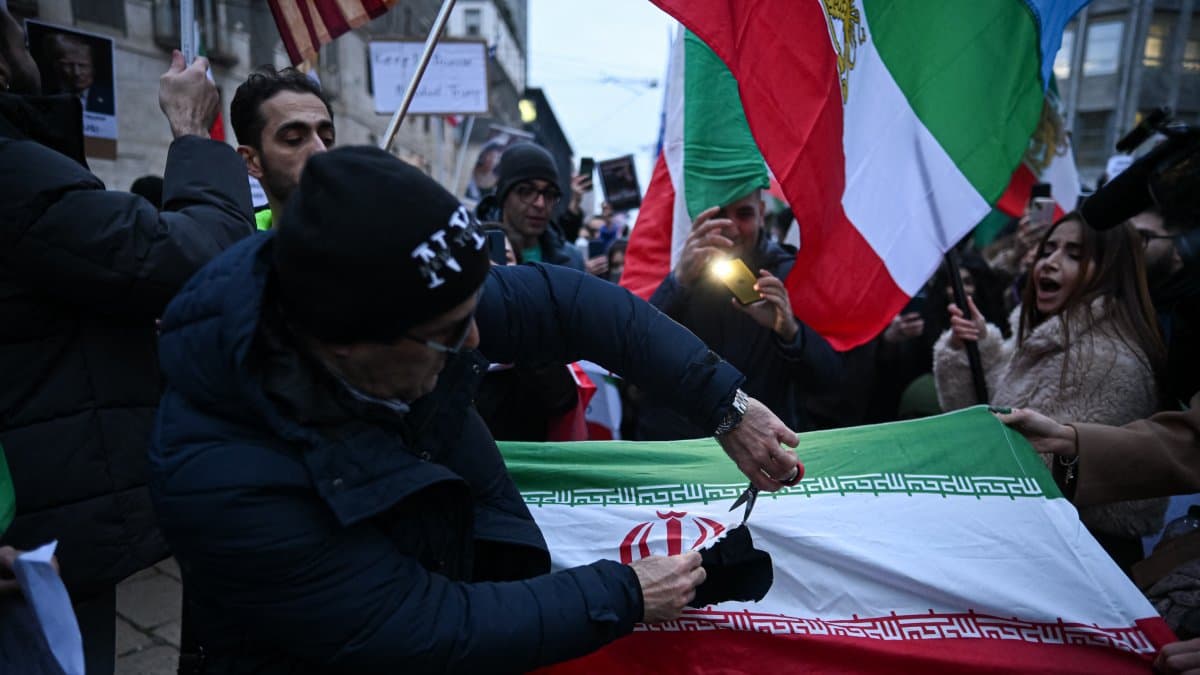

After nearly three weeks of near-total digital isolation, the first detailed evidence of Iran’s January 2026 crackdown is beginning to emerge, offering what human-rights groups describe as a chilling picture of state-led mass violence.
The Islamic Republic imposed what observers have called a “digital iron curtain” in early January, cutting off global internet access and disabling large portions of the country’s domestic intranet. While connectivity is now being cautiously restored to select business sectors and government-approved users, brief windows of access have allowed thousands of files—videos, photographs, medical records and testimonies—to reach observers outside Iran.
According to analysts and human-rights monitors, the material documents a coordinated, military-style suppression of protests on Jan. 8–9 that included the use of heavy weaponry in civilian areas, sniper fire, mass detentions, enforced disappearances and widespread efforts to conceal the scale of casualties.
Premeditated blackout
Independent monitoring organizations say the nationwide communications shutdown was not a reactive measure but a preplanned operation designed to shield the crackdown from scrutiny.
Network traffic data indicates that mobile providers were progressively throttled beginning Jan. 7, culminating in a near-total cutoff on the evening of Jan. 8. Within minutes, Iran’s global internet connectivity dropped to below 1 percent.
Human-rights groups and intelligence analysts report that the blackout was accompanied by the deployment of mobile electronic-warfare units in major cities including Tehran, Isfahan and Mashhad. These units reportedly jammed satellite-based internet services, including smuggled terminals, creating localized “dead zones” even where alternative connectivity existed.
The effect, according to rights groups, was to prevent protesters from coordinating and to block real-time documentation of events as security forces moved in.
Use of live fire and heavy weapons
As fragments of footage and testimony have emerged, a consistent pattern has taken shape. According to multiple human-rights organizations, security forces—including Islamic Revolutionary Guard Corps units and Basij auxiliaries—used live ammunition extensively in densely populated urban areas.
Reports from western and northern Iran describe the use of truck-mounted heavy machine guns against crowds. Eyewitness accounts and video evidence also point to coordinated sniper deployments from rooftops and elevated positions, with victims suffering precision gunshot wounds to the head and torso.
Rights groups say bystanders were also targeted, including individuals shot inside homes or on balconies, suggesting an effort to clear entire neighborhoods rather than disperse demonstrations.
In parallel with live fire, multiple organizations are investigating reports of unidentified chemical substances deployed in several cities. Witnesses described gas canisters emitting colored smoke that caused acute respiratory distress, muscle weakness and numbness—effects distinct from standard tear gas.
Video footage reviewed by international monitors reportedly shows security personnel operating in full protective gear near affected areas. Investigators are examining whether such agents were used to immobilize protesters before the use of live ammunition.
Systematic maiming and targeting
Medical professionals inside Iran report an unprecedented wave of traumatic injuries, particularly to the eyes. Ophthalmologists described a surge in patients suffering bilateral eye trauma consistent with close-range metal buckshot impacts.
One senior eye surgeon working with international monitors said thousands of such cases were recorded nationwide during the peak of the crackdown, with injuries overwhelmingly concentrated to the face—suggesting deliberate targeting rather than crowd-control mishaps.
Former detainees have also described severe torture, including the use of industrial tools to disable joints, allegedly intended to prevent future participation in protests.
Hospitals turned into detention facilities
According to reports from rights organizations and journalists, hospitals were not safe havens during the crackdown. Armed security units reportedly removed wounded protesters directly from operating rooms and intensive-care units, transferring them to undisclosed locations.
In forensic centers, testimonies collected by human-rights groups describe wounded individuals being placed in body bags alongside the dead. Photographic evidence reviewed by international media outlets appears to show victims still attached to medical equipment, bearing close-range gunshot wounds.
Medical personnel say they were pressured to falsify death certificates, listing causes such as cardiac arrest or respiratory failure instead of gunshot wounds. Several doctors reportedly fled the country after refusing to comply.
Concealment and mass burials
By Jan. 9, leaked health ministry documents indicated that the national supply of body bags had been exhausted. Refrigerated transport trucks normally used for food distribution were reportedly requisitioned to move large numbers of bodies from hospitals to centralized facilities.
Satellite imagery and visual evidence reviewed by international monitors point to mass burial sites, including suspected trenches in remote desert areas. Families seeking the remains of relatives were reportedly forced to pay “bullet fees” and sign pledges attributing deaths to natural causes or terrorism before being permitted limited access to burial sites.
Detentions and disappearances
Beyond the fatalities, rights groups estimate that tens of thousands were detained nationwide. With prisons overwhelmed, authorities reportedly converted military bases, warehouses and sports facilities into makeshift detention centers.
Monitors have documented the detention of minors, including children as young as 12, and a widespread pattern of enforced disappearance, with families receiving no information about the whereabouts or legal status of detainees.
Conflicting death tolls
The Iranian government acknowledged more than 3,000 deaths in a statement released Jan. 21, categorizing many of the victims as security personnel or “terrorists.” Human-rights groups and medical networks dispute that figure, citing hospital and forensic data suggesting fatalities many times higher.
Independent monitors say thousands of cases remain unresolved, particularly those who vanished during the internet blackout. As additional data emerges, rights organizations increasingly describe the January 2026 crackdown as the deadliest episode of state repression in Iran’s modern history.
For investigators, the lifting of Iran’s digital isolation may only now be revealing the true scale of what occurred during those two days in January—events that many warn could redefine global understanding of the regime’s use of force against its own population.
🛠 Do you think there is an error in this article?
Recommendations
LATEST