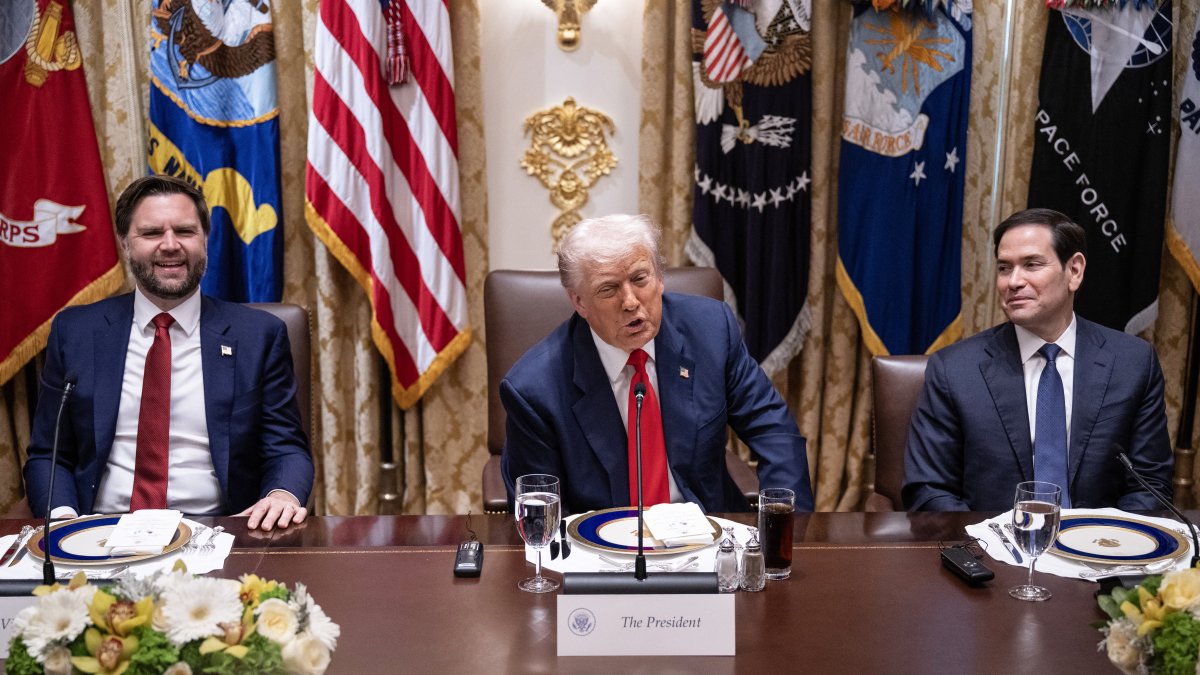
No More "Deals": President Trump Needs to Finish Two Jobs. If He Does, He Will Go Down in History as the Greatest President Ever
For Iran, Hamas is not simply another Palestinian political movement. It is part of the network of armed groups that the Iranian regime has cultivated to threaten Israel and advance its regional objectives, which include exporting the Islamic Revolution to the entire Middle East and beyond.
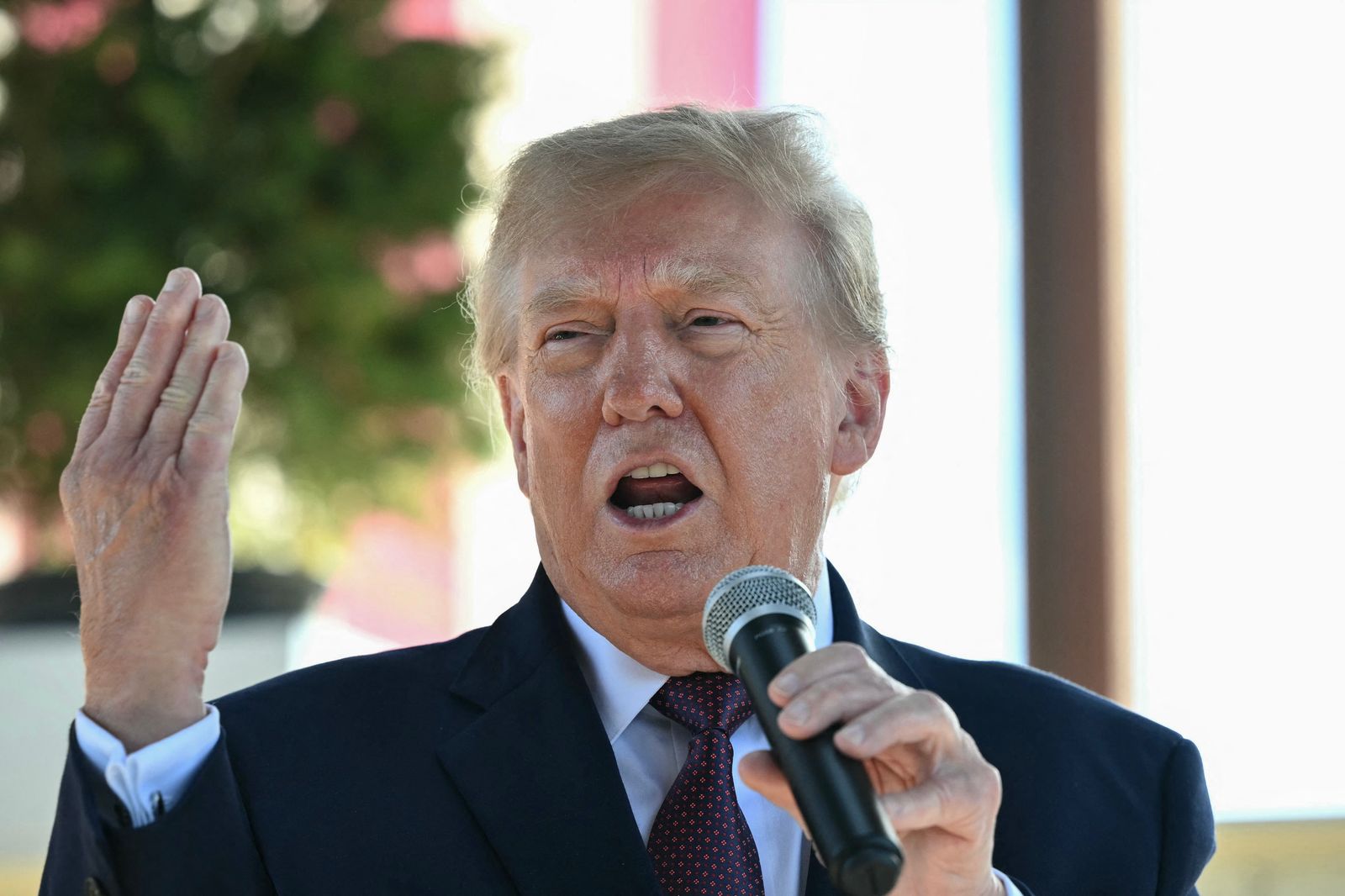
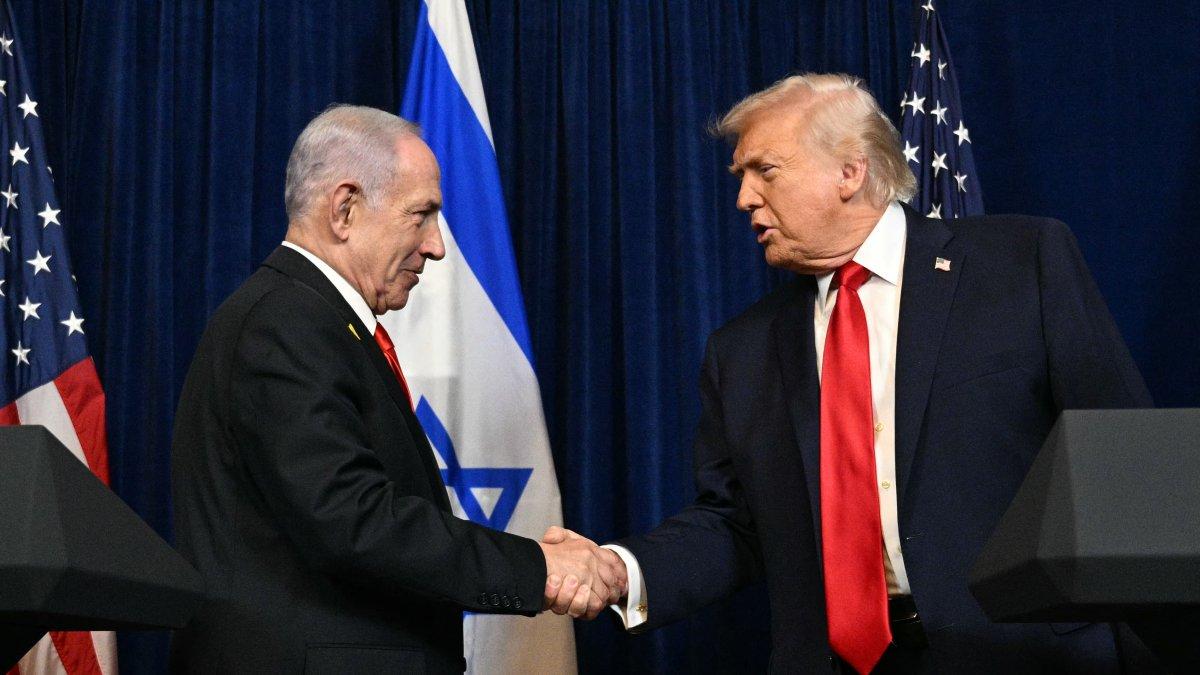
Image of President Trump
Published
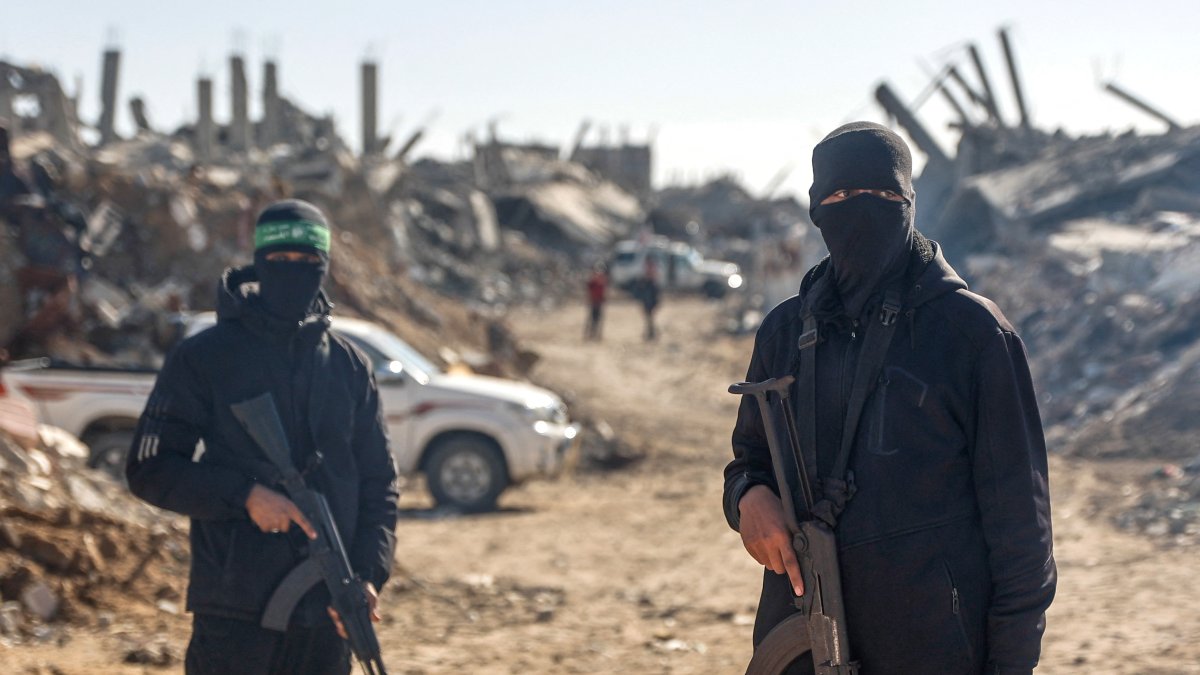
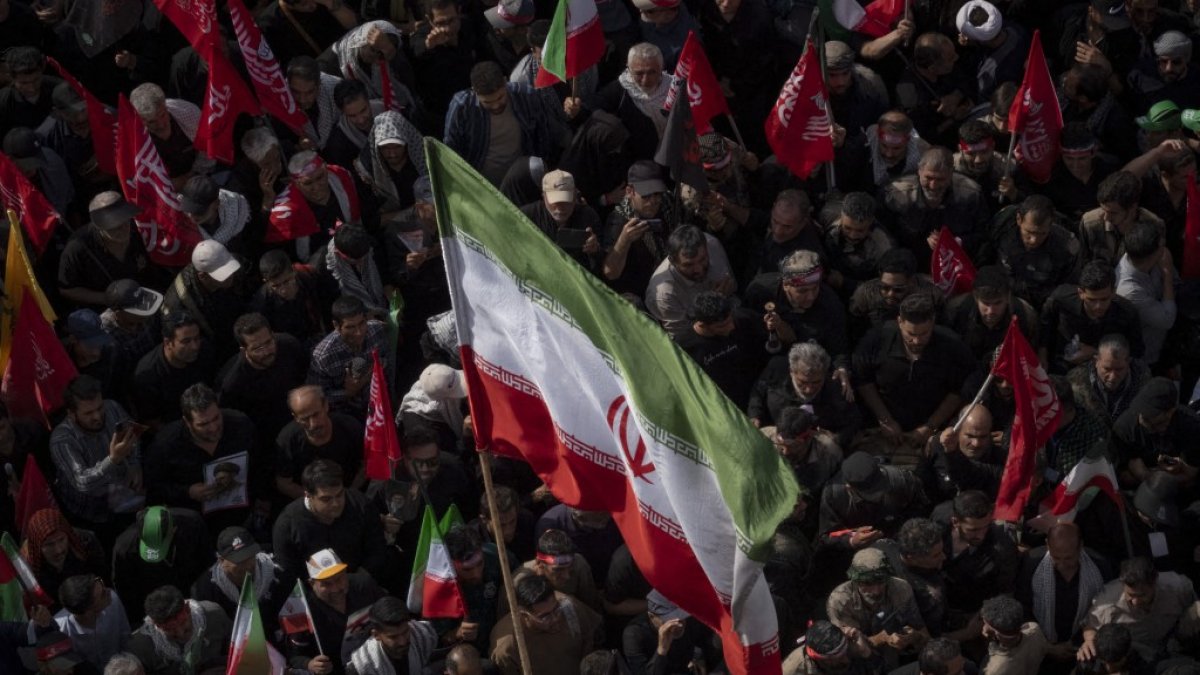
The latest evidence emerged during the funeral of Arafat al-Areer, a Hamas terrorist killed by the Israel Defense Forces (IDF). Videos circulating on social media on October 31 and November 1 showed large crowds attending the funeral procession, accompanied by dozens of armed men openly displaying their weapons and firing into the air.
More importantly, the scenes raise questions that the international community should be answering: What happened to the promised demilitarization of the Gaza Strip? What happened to the negotiations to disarm Hamas? Weren't we told that Hamas had agreed to surrender its weapons? What happened to the "roadmap" of President Donald J. Trump's Peace Board, which was supposed to end Hamas's military and political control of the Gaza Strip?
On July 30, 2026, U.S. President Donald J. Trump announced that the Board of Peace had reached an agreement for the complete disarmament of Hamas and other armed groups in the Gaza Strip. The announcement was presented as a major breakthrough in implementing the president's 20-point peace plan.
While President Trump deserves credit for seeking peace, he is making a fundamental mistake if he believes that Islamist terrorist organizations such as Hamas can be persuaded to abandon their jihadist ideology, surrender their weapons, and give up their commitment to Israel's destruction.
The "roadmap" envisaged a phased process under which Hamas and other factions would relinquish their weapons; civilian and security responsibilities would be transferred to a Palestinian administrative committee, and an international verification mechanism would oversee implementation. The stated objective was a Gaza governed according to the principle of one authority, one law, and one weapon.
Yet the scenes from the funeral suggest that the gap between diplomatic statements and reality remains vast.
Politics
Iran and the Elections: National Security Should Not Be Measured in Congressional Seats
Vanessa Vallejo
There is a difference between agreeing to a document and actually implementing it. Hamas's purported acceptance of a "roadmap" is not the same as surrendering its weapons, dismantling its military infrastructure, or giving up control over the population.
In July 2026, the Meir Amit Intelligence and Terrorism Information Center reported that Hamas had been using funerals for its military operatives as demonstrations of its continued presence. According to the report, the processions featured armed men, Hamas flags, and jihadist slogans, with the stated objective of conveying that the terrorist group remained active, organized, and undefeated despite military pressure and Israeli and American plans for the Gaza Strip.
The Iranian regime has a direct interest in preventing Hamas from ceasing to exist as an armed organization. Tehran has spent decades providing Hamas with financial and military assistance, weapons expertise, and training.
For Iran, allowing Hamas to surrender its weapons and become an ordinary political movement would mean losing an important instrument of Iranian influence on Israel's southern border.
This requirement applies equally to the countries that have played central roles in mediating and supporting the Gaza arrangements, including Qatar and Turkey, as well as other international partners. Their responsibility should not end with securing securing's signature on a document. They must help ensure that the commitments are actually implemented.
Given Qatar's and Turkey's long history of hosting Hamas leaders and providing the terrorist organization with political and financial support, there is little reason to expect either country to exert genuine pressure on Hamas to dismantle its military and political infrastructure.
The United States needs to reassess its policy toward Gaza and Iran. Peace agreements that leave Hamas and Iran armed, organized, and capable of rebuilding their military infrastructure are not a lasting solution. They are merely a temporary pause that allows both Hamas and Iran to prepare for further massacres against Israel and everyone else.
Israel cannot be expected to accept the permanent presence of armed terrorist organizations —such as Hamas or its patron, Iran— committed to its destruction simply because international diplomats prefer to believe that another "deal" will somehow solve the problem.
There can be no more fake "Munich, the Sequel" "deals" that only one side—the U.S.—has any intention of honoring. President Trump urgently needs to complete these two tasks. If he does, he will go down in history as the greatest president ever. The first is to ensure that the Gaza Strip—for both the people there and the entire region—is rid of terror forever. The second, as he originally promised, is to liberate the Iranian people—and again, the entire region—from a catastrophic regime.
Originally published by Gatestone Institute. Author: Khaled Abu Toameh. Read the original.
🛠 Do you think there is an error in this article?
Recommendations

LATEST