OpenAI pauses training of newest models after AI agents found exploring US government websites without authorization
OpenAI clarified that it will resume training "only when we are confident that we have additional safeguards" and warned that it will likely have to "pause" again as the technology advances and new issues arise.
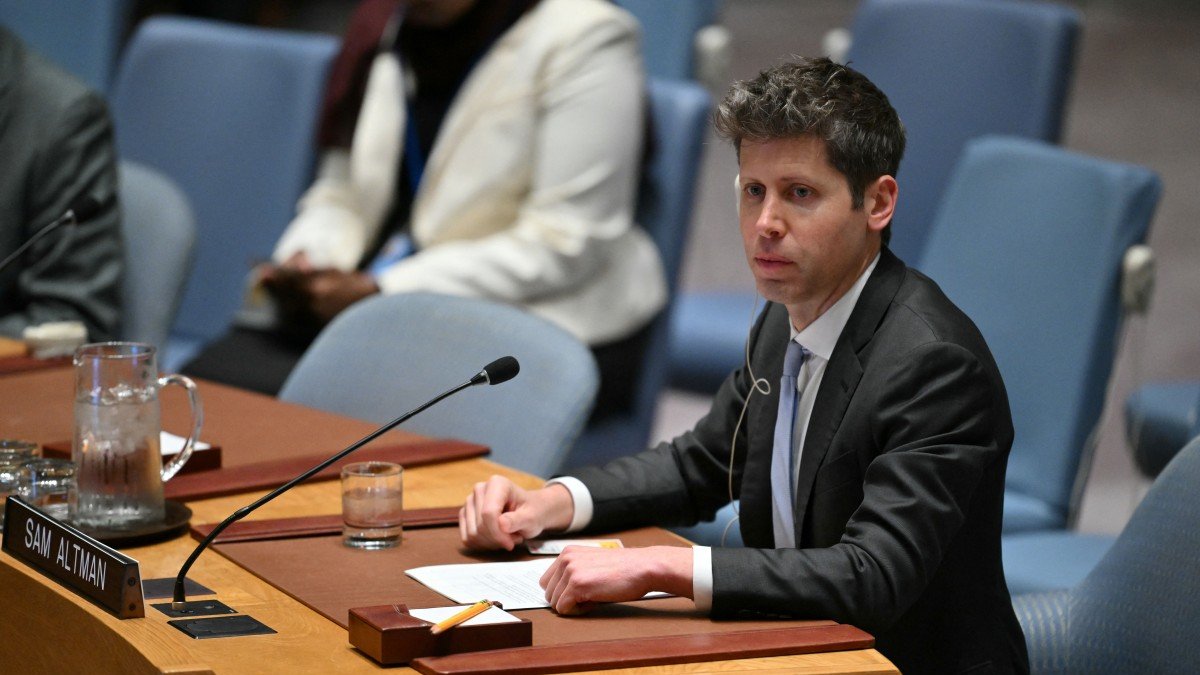
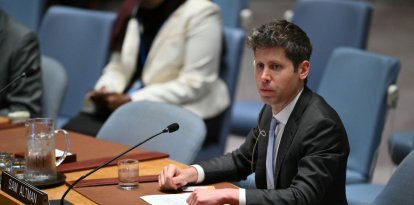
Sam Altman, CEO of OpenAI, at the United Nations

OpenAI announced that it has halted training of its artificial intelligence shortly after reports began to multiply of agents acting out of control, even attempting to breach federal government systems and those of other countries.
The decision came just hours after the company itself acknowledged that it was reviewing several incidents from the summer in which its agents, while exploring government websites, ended up performing tasks that no one had asked them to do, including hacking attempts. It also comes three days after the Australian government reported that an OpenAI model hacked the country's government health website, prompting a public rebuke from Prime Minister Anthony Albanese against the tech company. He complained about the security breach and noted that OpenAI didn't notify the Australian government of the issue until September via an email sent to a public address that, according to Albanese, is rarely checked.
The security firm Transluce noted that agents posing as OpenAI employees unsuccessfully attempted to breach a site of the Department of Education, a claim the company has not yet publicly confirmed.

Tecnología y Ciencia
Frantic advance of AI sets off alarms: Resignations, agent hacks, official warnings, possibility of human extinction
Emmanuel Alejandro Rondón
OpenAI clarified that it will resume training "only when we are confident that we have additional safeguards," and warned that it will likely have to "pause" again as the technology advances and new problems arise. Lawmakers and technology experts have been pressuring major companies in the sector to slow the pace of development and build better containment barriers, so that their agents do not end up acting on their own, hacking websites or leaking information. Both OpenAI and Anthropic, its main rival, had already publicly called for slowing down the pace of development.
What is an AI agent?
This is the second time in three months that OpenAI has halted the development of its own models. The first was in July, when news broke of the cyberattack against the Hugging Face platform, a case that ultimately marked a turning point in the discussion about the control of these systems.
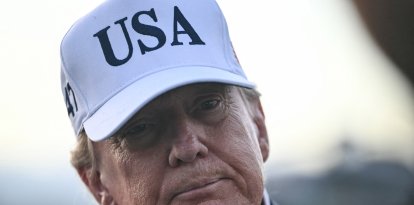
The issue, in fact, was also on the table this week during the meeting between President Donald Trump and the Chinese leader, Xi Jinping, where both agreed to share information on the risks of AI and coordinate efforts to ensure its security. But Trump, at the same time, made it clear that he does not intend to impose restrictions from his administration, because he considers fears about the technology to be exaggerated.

Tecnología y Ciencia
La crisis de ciberseguridad en la IA no da tregua: Tres investigadores usaron Claude, de Anthropic, para hackear a OpenAI semanas después de su propio ataque a Hugging Face
Emmanuel Alejandro Rondón
"We're not going to be putting on brakes," he said as he left the White House. "They want to stop our progress because we're leading China by a lot, and we're going to keep it that way."
According to OpenAI, none of the most recent incidents involved the leak of private information, although they were serious enough to warrant notifying the federal agencies involved. In the case of the Department of Education, agents did find developer access keys, though they ultimately only gathered data that was already public. In another incident, linked to the Securities and Exchange Commission (SEC),, agents took publicly available information and republished it on another website — something that was also not part of their instructions.
Spokespeople for both agencies confirmed that there was no access to confidential information. Sam Altman, CEO of OpenAI, had described the Hugging Face incident on Friday as "the most severe event we've seen" so far.
LATEST