A storm from the northeast is threatening the East Coast with flooding, strong winds and rain this weekend
The storm system will primarily affect the Mid-Atlantic region and the Northeast, where significant coastal flooding, strong wind gusts, rip currents and heavy rain are expected.
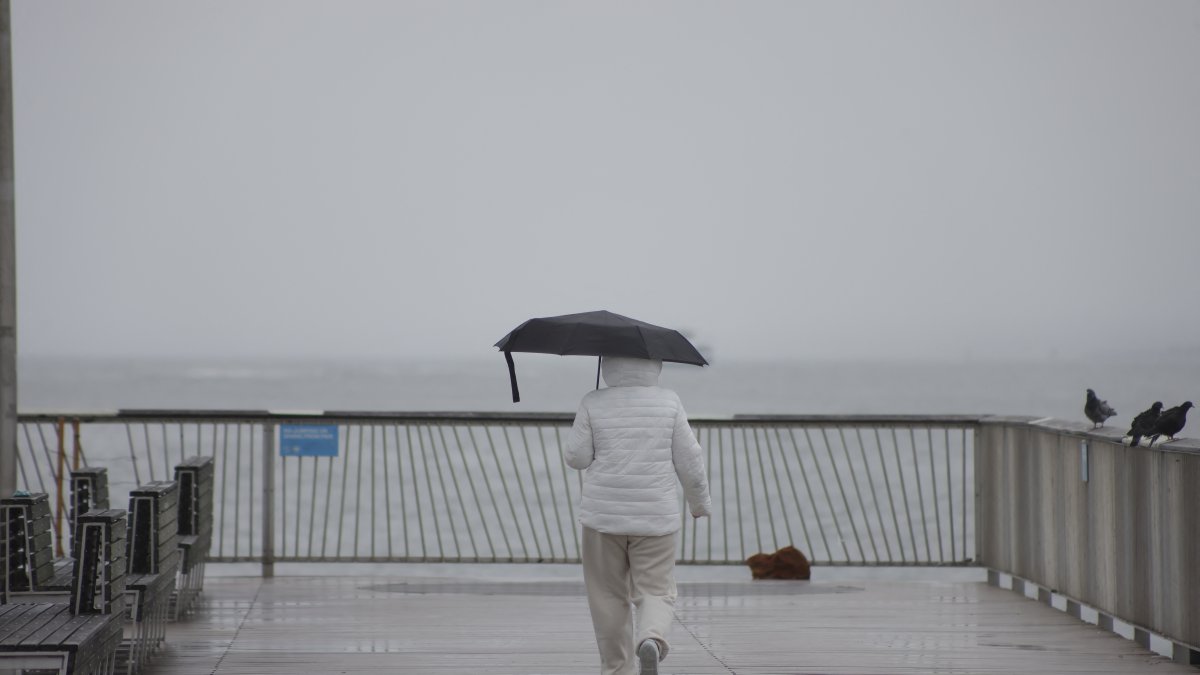
Rain in Coney Island, Brooklyn, NY - Reference Image

A rapidly intensifying nor'easter in the western Atlantic will have significant impacts on much of the country's East Coast this weekend and early next week, according to the Weather Prediction Center (WPC) of the National Weather Service (NWS).
The low-pressure system will move northward toward Long Island, while rain will spread across the Mid-Atlantic and the Northeast on Saturday.
In southern New England, rainfall could be particularly heavy, with several inches of rain that could cause inland flooding.

Rain will continue around the system on Sunday, as the storm approaches the New Jersey coast, before moving northeast early next week.
Winds exceeding 50 mph and risk of coastal flooding
In addition to the rain, wind gusts exceeding 50 miles per hour are expected in eastern Long Island and southeastern New England.
According to the WPC, these winds could cause power outages and tree damage in some areas.
Persistent offshore winds, combined with heavy swells and high astronomical tides, will contribute to significant and widespread coastal flooding over the weekend.
Rain and snow in the Northwest
Low-lying areas near the coast could experience significant flooding. The NWS also warned of dangerous rip currents and beach erosion.
While the Northeast faces the storm's effects, another weather system will continue to affect the Pacific Northwest.
The system moving in from the Pacific will bring widespread rain to low-lying areas and snow to higher elevations on Saturday.
Storms and possible flash floods in the central United States
Precipitation will extend from the southern and central Great Plains to parts of the middle and upper Mississippi Valley.
The WPC warned that there could be localized or scattered flash floods, while isolated episodes of severe weather cannot be ruled out.
LATEST