California rejects tax on billionaires: Proposition 40 Fails despite the Democratic Wave
The initiative proposed a one-time 5% levy on the personal assets of individuals with a net worth exceeding $1 billion, with most of the revenue reportedly earmarked for health care.
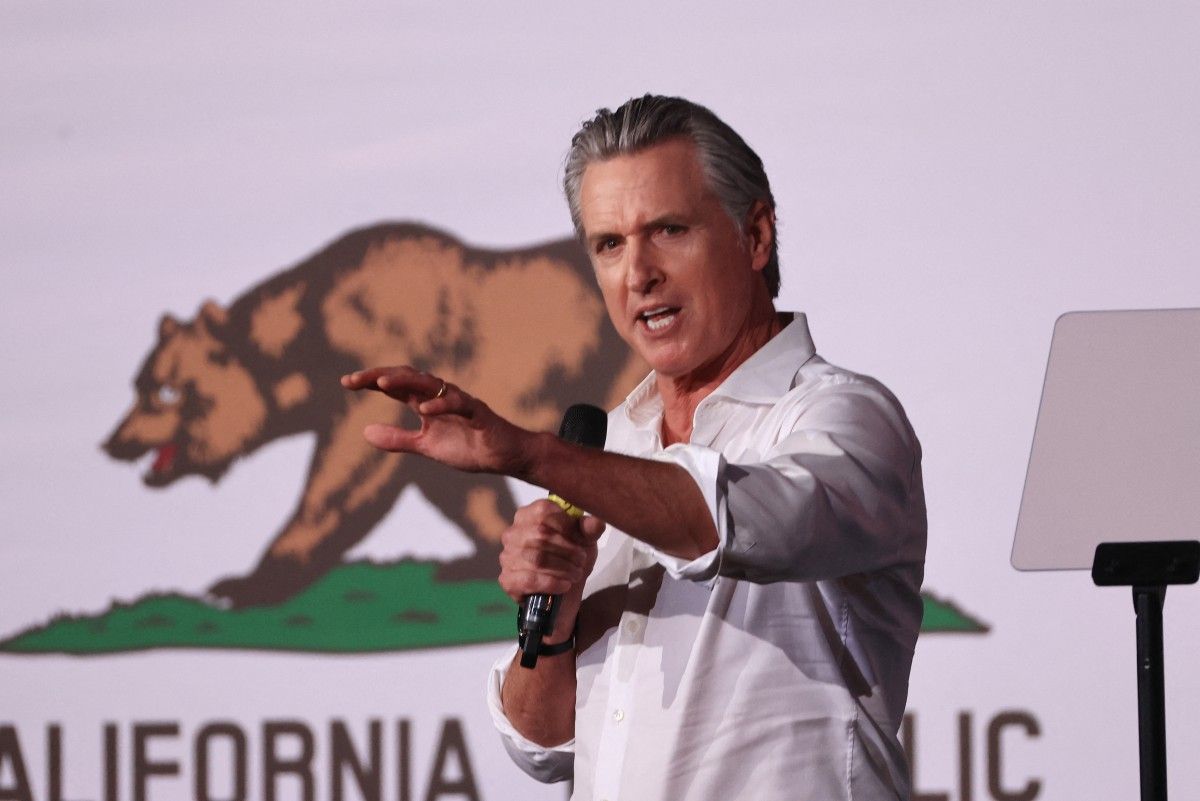
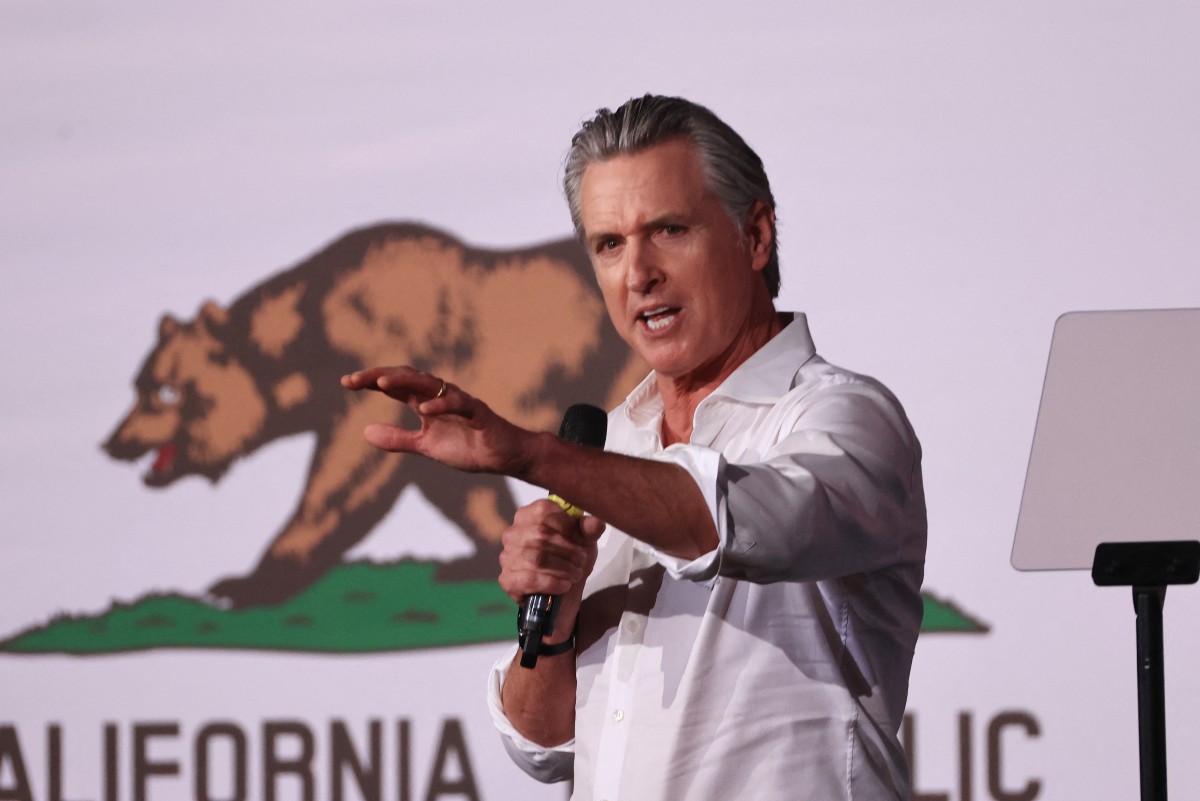
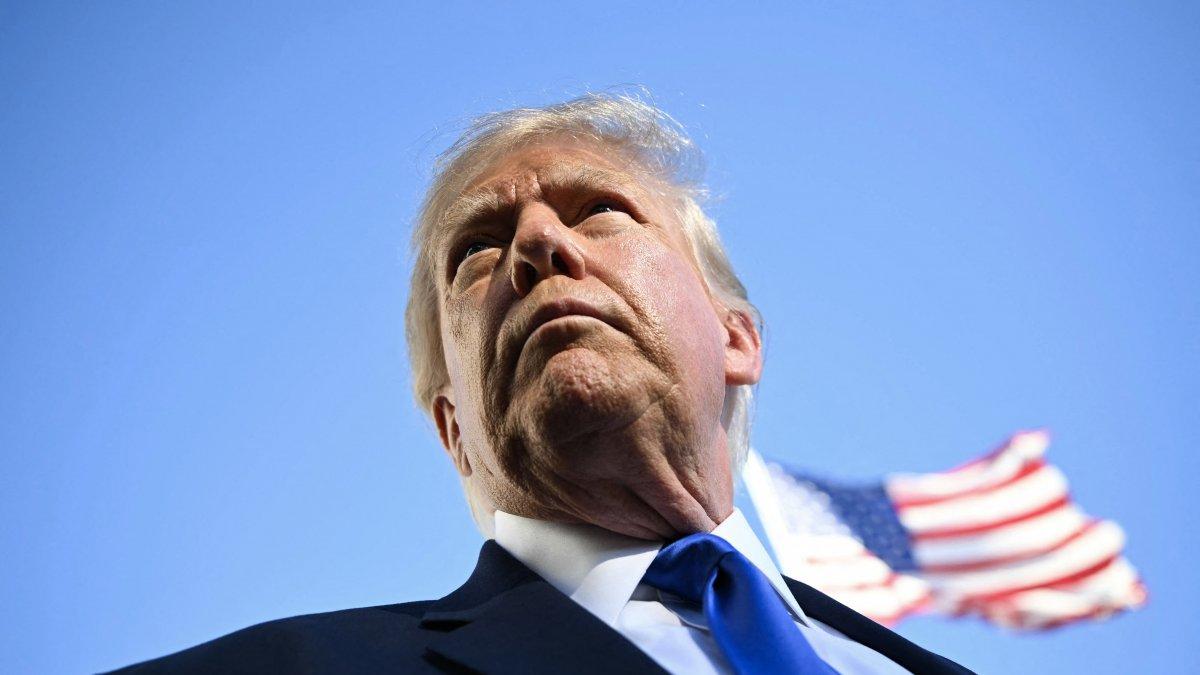
Gavin Newsom in a file photo

California voters surprised the rest of the country by rejecting the tax on billionaires. Proposition 40, which sought to make the state the first in the country to tax wealth, was rejected according to projections by The Associated Press, one week after the midterm elections in which Democrats swept the nation in almost every state.
The initiative proposed a one-time 5% levy on the personal assets of those with a net worth exceeding $1 billion, with most of the revenue reportedly going toward healthcare. The vote count was prolonged due to the slow pace of counting mail-in ballots, and although the gap narrowed as the days passed, the measure never garnered the necessary support.
The result is striking given the context. The defeat comes in the very same election in which Democrats swept the nation, and in a state where the majority of voters typically support the idea that the wealthiest should pay more.
The proposal, however, divided California's progressive movement. The state Democratic Party supported it, but Governor Gavin Newsom and his governor-elect, Xavier Becerra, opposed it, arguing that it would scare off entrepreneurs and that a one-time windfall did not offset the long-term damage to the state's finances. Teachers, firefighters and Planned Parenthood affiliates joined the opposition, along with the Golden State's more conservative voters.
Money also tipped the scales. Sergey Brin, co-founder of Google, contributed more than $100 million to block the initiative, and the opposition group he led raised over $300 million this year. On the other side, the initiative's supporters relied on social media and influencers, unable to compete with the television advertising campaign.
Dave Regan, leader of the healthcare workers' union that put the tax on the ballot, blamed that campaign. He said the attacks created "a lot of confusion and a lot of second-guessing among people who really in their hearts know what the right the thing to do is.” Regan has already indicated that he will try again in 2028.
For Thad Kousser, a political scientist at the University of California, San Diego, the mistake was fundamental, because the union moved forward without first securing the support of its natural allies: "You don’t pass a landmark progressive tax increase that is a change to how America has historically done anything by dividing up the progressive coalition."
Opponents celebrated the outcome as a victory for the state's fiscal health and described the initiative as "a reckless experiment conducted on our state’s economy."
The setback goes beyond California. The rejection is likely to be used as an argument against wealth taxes in the 2028 presidential debate, where the issue is sure to resurface. Newsom, one of the names being mentioned for that race, has already made it clear that he would be willing to discuss a national tax, but not one limited to his state.
🛠 Do you think there is an error in this article?
Recommendations





LATEST