Washington dictates, Brussels complies: Turnberry's real legacy
Trump, paradoxically, appears as the leader willing to tell uncomfortable truths about Europe and also seems to be the only one who knows Europeans' real demands. What has truly cost "The Old Continent" has been the strategic humiliation.
Published
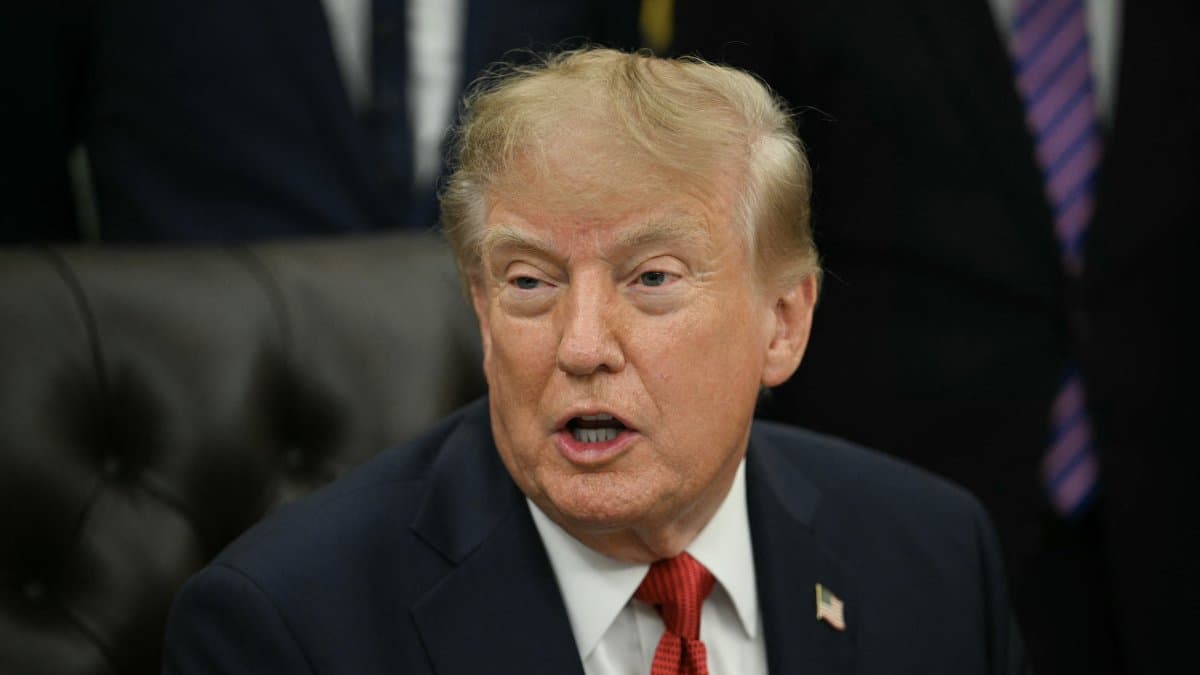
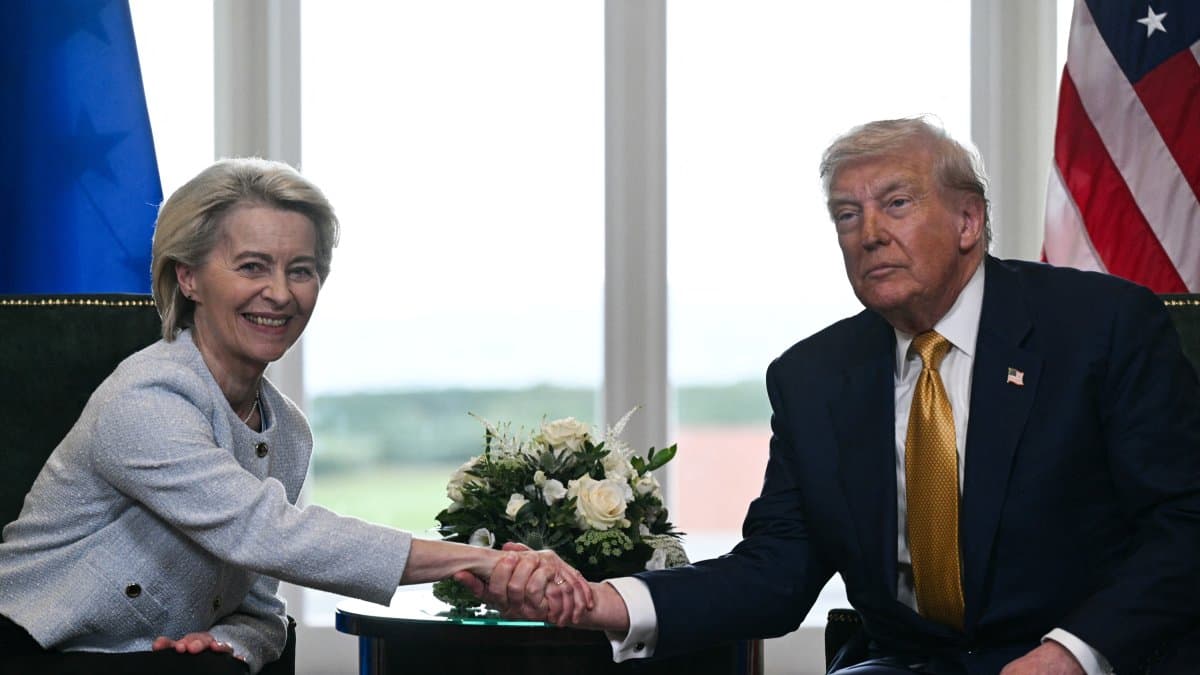
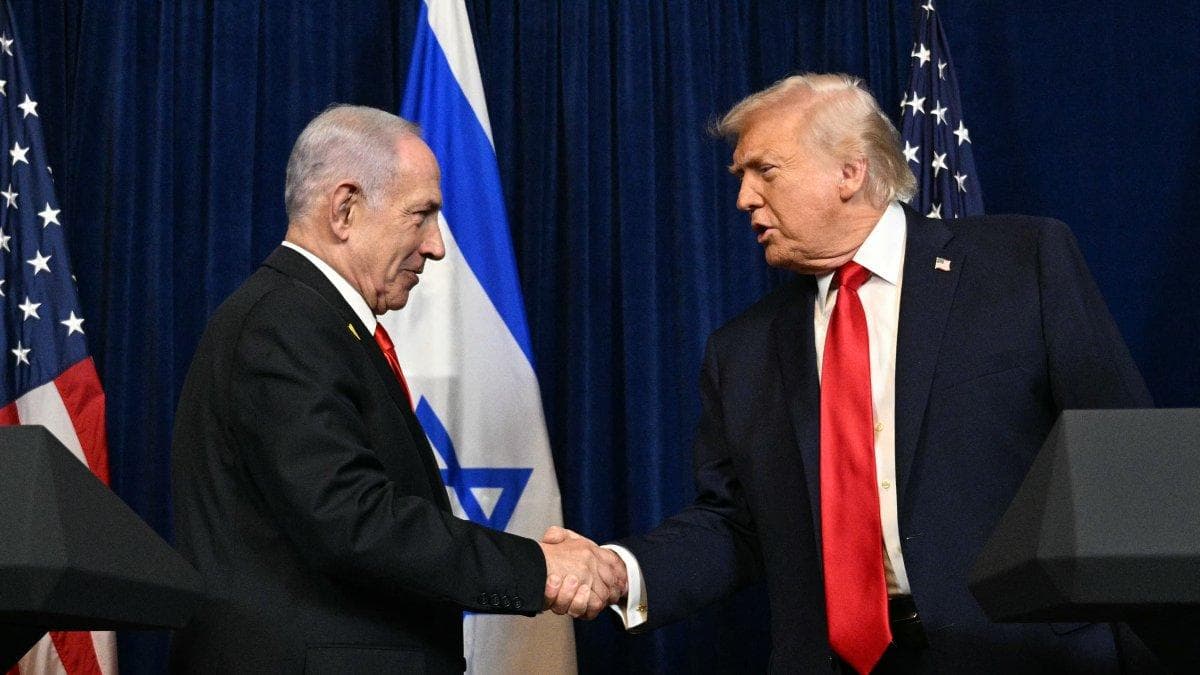
After months of rough negotiations and threats of trade war, the United States and the European Union sealed a deal that President Donald Trump presented with grandiloquence and, even on European soil, as the host of the summit. The gesture says almost everything.
The announcement took place on a property that the president has in Turnberry, Scotland. Trump welcomed European Commission President Ursula von der Leyen on behalf of the European bloc. Despite being the local, she arrived as a guest.
The details of the deal have been laid out at length in recent days, the highlight being the 15% tariff for most European products and massive investment commitments by the E.U. in the U.S. Broadly speaking, it includes the purchase of American energy products. There are many more details, but the important thing is that the parties are convinced that this way avoids a trade war that would have been devastating, given the scale of transatlantic commerce. Von der Leyen described it as excellent news especially in the aspect of bringing certainty and the financial markets reacted positively, celebrating the elimination of the immediate risk of confrontation.
But the investments that the E.U. will theoretically make are diffuse, and von der Leyen depends on whether the owners of the money are interested in their agreement/capitulation, especially in the richest countries of the bloc, which are the least happy about it. Moreover, many analysts expect a negative impact on European GDP as well as on American purchasing power. But the predictability, even in a bad agreement, is better than the uncertainty of the last few months. Regarding that there is no doubt.
<cite class="c-detail__cite__title">"The deal reveals the E.U.'s internal contradictions and illustrates the growing irrelevance in the global geopolitical order."</cite>
There is a danger that this 15% could become the standard tariff and is already a very high mark, about three times higher than just a few months ago, which is unlikely to improve international trade. This is one of the problems of Trump's trade policy since he announced the "Liberation Day."
Nevertheless, the White House considers what happened on the European tour as a demonstration of negotiating strength. It celebrates, particularly, the energy industry with the European promise to buy from the country and thus, in passing, reduce European dependence on Russian gas and oil. Automobile manufacturers are also celebrating with the reduction of European tariffs. But (there is always a but) although Trump proclaimed the agreement as a total victory, emphasizing that the E.U. will open its countries to more American exports, the truth is that many of the demands that brought us here remain in the ink: taxes and regulations for digital and technology companies, unhinged European food regulations and the issue of medicine that remains in question. Without managing to win this battle, it is difficult to claim the podium.
The agreement obviously did not make Europe happy. French Prime Minister François Bayrou called it a dark day, lamenting that Europe came out worse off than the U.K. Viktor Orbán was even more direct: he considered that von der Leyen had no weight for that negotiation and that Trump had eaten her for breakfast. Even Friedrich Merz admitted that he would have preferred better terms.
These opinions are particularly decisive if we consider that the agreement depends on the signature of the 27 members, given that in Brussels, everything is decided by consensus among multiple actors. The result is a compromise that reinforces the feeling of a fragmented, weak and resigned Europe.
The agreement also reveals the E.U.'s internal contradictions and illustrates its growing irrelevance in the global geopolitical order. Hence the attempts of certain leaders to maintain their influence through symbolic gestures. Trump, paradoxically, appears as the leader willing to speak uncomfortable truths about Europe and also seems to be the only one who knows Europeans' real demands. His comments on uncontrolled immigration, oil extraction, ridiculing wind farms and warnings about the loss of the right to freedom of speech seem to mirror millions of Europeans whose concerns are systematically ignored by their governments.
<cite class="c-detail__cite__title">"Little good can be said of the agreement beyond that it has avoided or postponed a dangerous confrontation."</cite>
Beyond tariffs
So the technical details of the agreement are just part of what Trump's tour left as a message. In reality, it is more important to see these summits as the symbol of a new order in which Europe no longer negotiates as a peer. It is the realization that the E.U., caught between bureaucracy and weightless gestures, has lost the ability to defend its own interests before determined leaders.
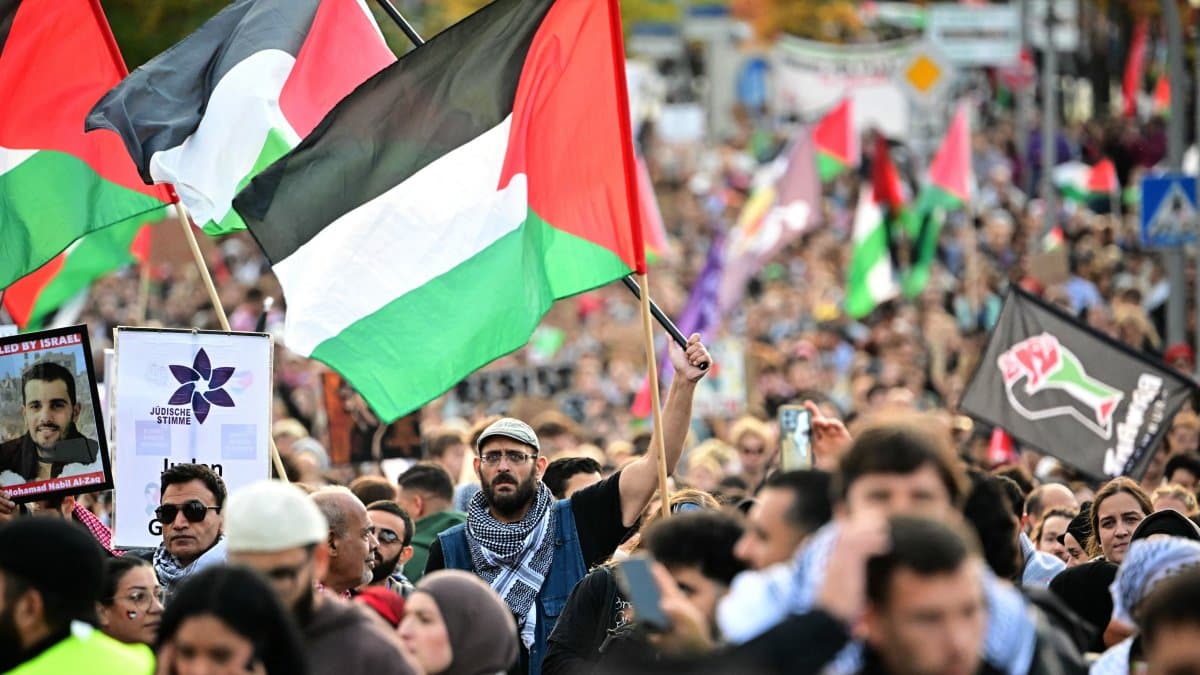
While France was outraged by the agreement, Macron was sending up a smoke screen by announcing the recognition of a Palestinian state, even against the will of his people. His geopolitical tantrum was publicly scorned by President Trump, who said that the French leader's words mattered to no one and carried no weight. Add to this the judgment of Marco Rubio, who called Macron's move reckless, claiming it functionally acted as Hamas propaganda.
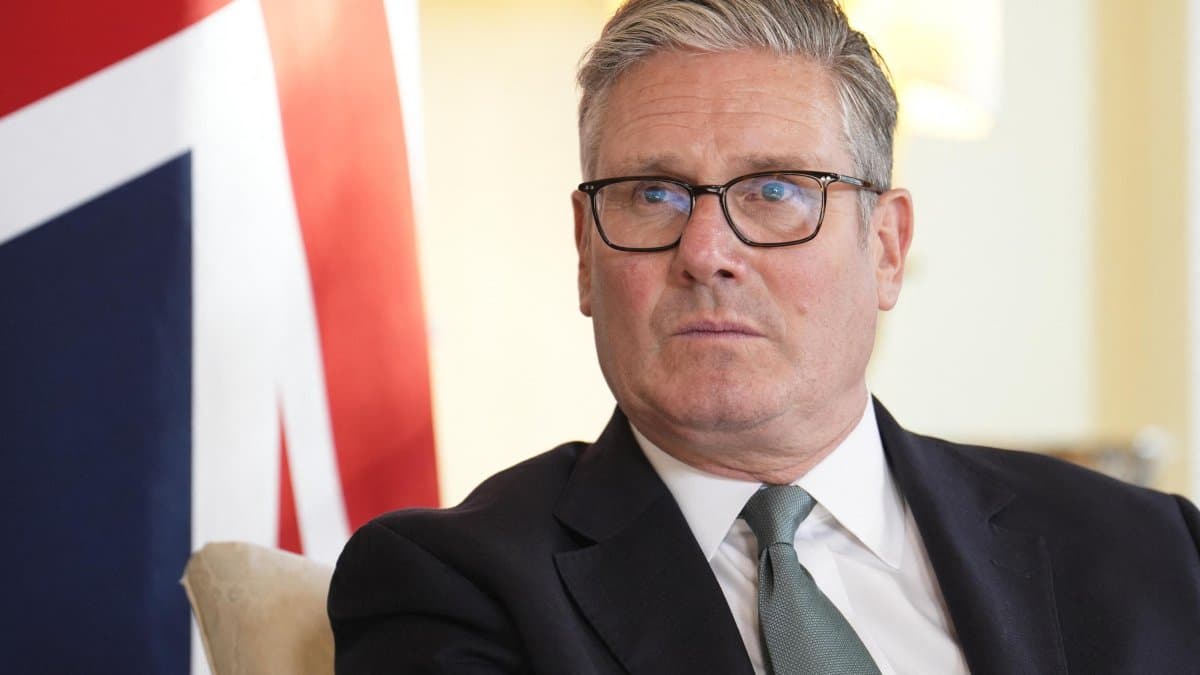
The summit with the British leader was no less illustrative. Keir Starmer's defense of London Mayor Sadiq Khan as "my friend" was pathetic and barely merited a look of contempt from Trump, who spent the rest of the conversation making a fool of him.
JNS
UK plans to recognize Palestinian state absent ‘substantive’ Israeli steps
JNS (Jewish News Syndicate)
Ultimately, little good can be said about the deal, beyond the fact that it has avoided or postponed a dangerous confrontation. Tariffs will end up being a burden for consumers, and this will materialize in the final prices of many, many products. Tariffs always work as regressive taxes that affect those with lower incomes.
But Trump's real triumph, which was demonstrated in the framework of the tour, is not measured in tariff terms, but in the tacit recognition that Europe has lost its ability to negotiate as an equal with the world's superpowers, while its leaders continue their charade of global relevance. What has truly cost "The Old Continent" has been the strategic humiliation. Trump not only imposed his own will on the bloc, he also made it clear that Europe has lost its voice.
🛠 Do you think there is an error in this article?
Recommendations
LATEST