US ground force arrives near Iran
Some 3,500 sailors and Marines reach the Middle East, with additional forces on the way. The number could reach 10,000 troops.

US Army troops line up on the beach after taking part in an amphibious drill

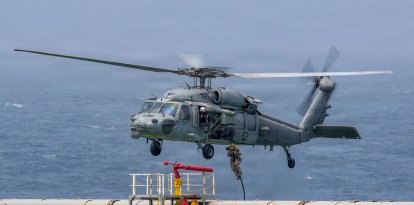
Some 3,500 sailors and Marines have arrived in the Middle East, U.S. Central Command said on Saturday. The force includes the amphibious assault ship USS Tripoli, which carries fighter jets, transport aircraft and amphibious vehicles.
Their arrival comes against the backdrop of the stalled negotiations between the U.S. and Iran, and alongside reports that the administration is considering a ground operation to reopen the Strait of Hormuz or remove Iran’s highly enriched uranium stockpiles from the country.
They are an advance force for the ground capabilities the U.S. administration is reportedly seeking to build up in the region. According to a Wall Street Journal report, the Pentagon is considering sending up to 10,000 additional troops to the Middle East, including infantry units and armored vehicles. They would join about 5,000 Marines and thousands of paratroopers from the 82nd Airborne Division who have already been ordered to deploy to the Middle East. That Marine force is made up of the Tripoli personnel, who have just arrived, and another expeditionary unit that is making its way from California to the region on the amphibious assault ship USS Boxer.
According to Pentagon officials familiar with the planning who spoke to the Journal, the forces will most likely be positioned within operational range of Iran and Kharg Island, which is normally responsible for 90% of Iranian oil exports.
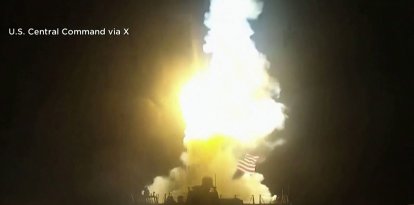
">U.S. Sailors and Marines aboard USS Tripoli (LHA 7) arrived in the U.S. Central Command area of responsibility, March 27. The America-class amphibious assault ship serves as the flagship for the Tripoli Amphibious Ready Group / 31st Marine Expeditionary Unit composed of about… pic.twitter.com/JFWiPBbkd2
— U.S. Central Command (@CENTCOM) March 28, 2026
U.S. and Saudi officials told the Journal that the March 27 missile and drone strike on Prince Sultan Air Base not only wounded 12 U.S. service members and damaged several refueling aircraft, but also hit an E-3 Sentry airborne warning and control (AWACS) plane. The damage to the aircraft, which manages the aerial battlefield and provides commanders with a real-time picture of the situation, adds to the damage suffered by critical radar sites across the region since “Operation Epic Fury” began.
“This is a very big deal,” U.S. Air Force Col. (ret.) John Venable told The Wall Street Journal. “It hurts the US ability to see what is happening in the Gulf.”
Originally published by Israel Hayom.
LATEST