The US is deploying its 'killer' drones to Colombia and Ecuador to combat cartels in South America
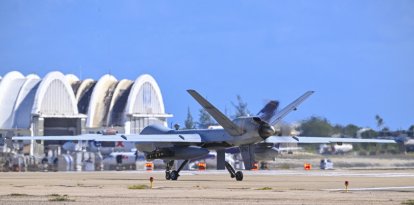
These are the famous MQ-9 Reaper drones, which were transferred from Africa to South America.
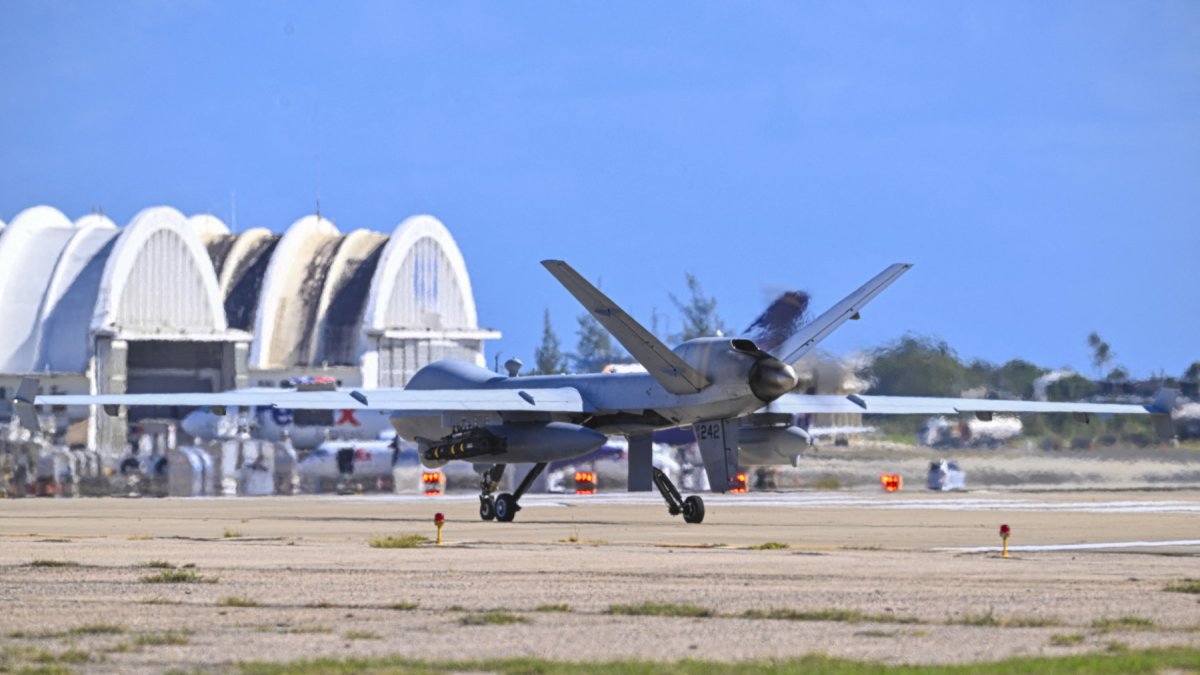
A U.S. Air Force MQ-9 Reaper drone over Puerto Rico

President Donald Trump's offensive against drug trafficking in Latin America gained a new and powerful tool after the U.S. Army sent several MQ-9 Reapers, the armed drones that earned the nickname "killer drones," to Colombia and Ecuador.
The New York Times revealed this, citing two U.S. officials who spoke on condition of anonymity. Previously, CNN reported the possibility of the shipment, and authorities in Colombia and Ecuador also confirmed they planned to receive the drones. The New York Times' sources did not provide exact numbers, but they did say that there are only a few drones of this type and that they were coming from Africa.
In fact, Colombia announced over the summer that it would receive three MQ-9s. In Ecuador, they are already in flight, according to Defense Minister Gian Carlo Loffredo.
"Two were delivered to Ecuador for cooperation and are already operating in our airspace," he said in a radio interview quoted by the NYT. U.S. Southern Command declined to comment, citing operational security.
An anti-narcoterrorism plan
To understand this military move, one must review the Trump administration's security record.
On September 2, 2025, Washington attacked a boat that it claimed was carrying drugs from the feared Venezuelan gang Tren de Aragua, an organization designated as a terrorist group by the U.S., and since then, the bombings in the Caribbean have not stopped.
World
US withdraws all its B-1 bombers from UK base at Fairford following alleged foiled terrorist plot
Emmanuel Alejandro Rondón
With the attack on Sunday, October 4, in the Caribbean Sea, which killed four people, there have now been about 70 operations and at least 235 deaths, according to the tally by NBC News.
According to Southern Command, all those killed during these operations were "narco-terrorists."
After an intense maritime campaign against drug-smuggling boats, the action shifted to land, particularly on January 3, 2026, when U.S. forces captured former dictator Nicolás Maduro in Caracas and took him to New York along with his wife, Cilia Flores, to stand trial for narco-terrorism and other charges. Furthermore, on June 12, with the U.S. already overseeing the Chavista regime, a joint operation with the Venezuelan transitional authorities resulted in the death of Héctor "Niño" Guerrero, leader of Tren de Aragua, in Bolívar state, during a bombing captured on social media.
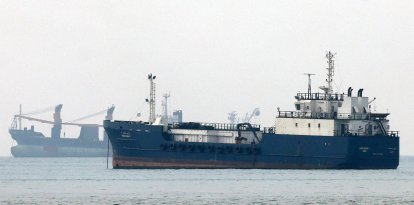
In September, the Southern Command also sank a floating supply station in the Pacific that it linked to Los Choneros, a criminal gang from Ecuador.
General Francis Donovan, head of the Southern Command, has already indicated that he wants to go beyond boats and strike land-based targets, according to the NYT. And the new drones transferred from Africa fit into that plan.

Now, with the conservatives Abelardo De La Espriella and Daniel Noboa governing Colombia and Ecuador, respectively, these countries have become security partners of Washington through the Shield of the Americas, the regional coalition against organized crime. Marco Rubio's chief of staff already visited Colombia in September and signed new agreements with its government. In Ecuador, Noboa was among the first heads of state in the region to open the door to the U.S. for joint operations, at a delicate time for the South American country regarding insecurity and drug trafficking.
Experts say the problem is that Reapers are in short supply. The NYT reported that the war with Iran destroyed at least 45, about a quarter of the fleet, and each one can cost up to $50 million, so the ones being sent to South America are missing from other fronts.
LATEST