

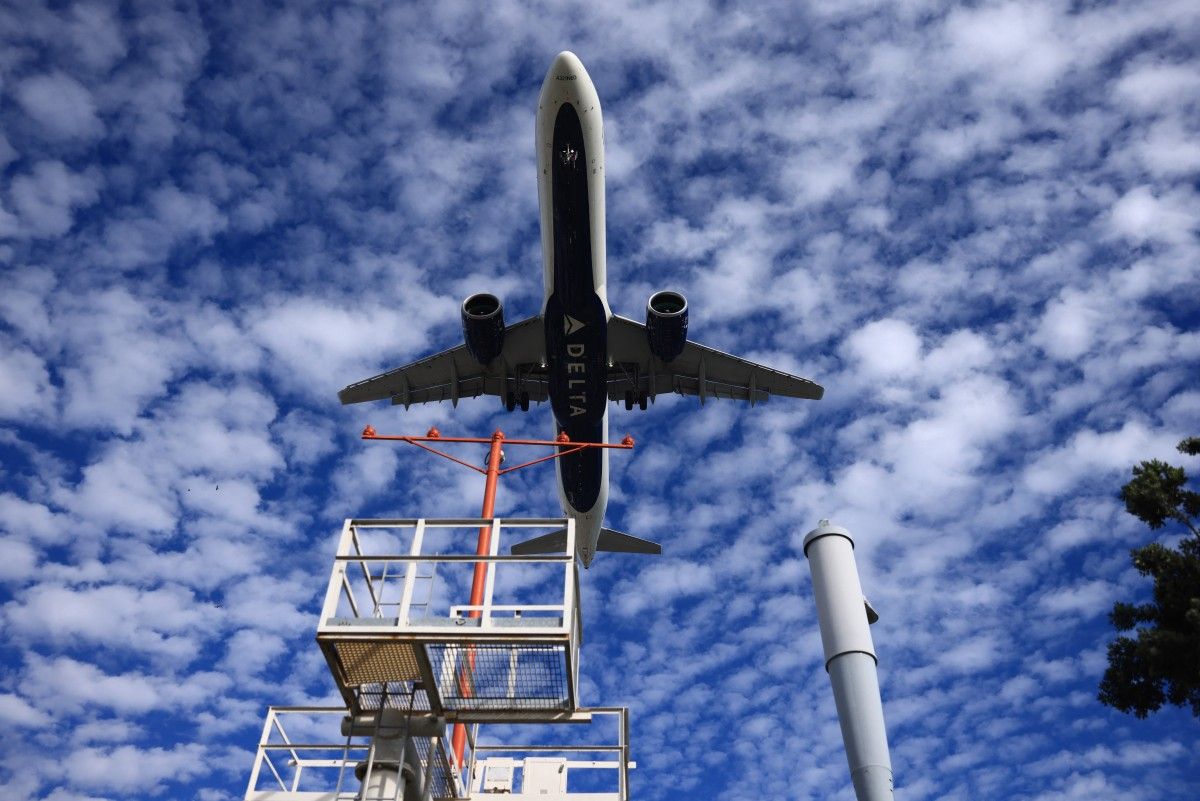
Delta Air Lines managed to restore the automated system that calculates the weight and balance of its aircraft on Sunday, following a failure that forced the Federal Aviation Administration (FAA) to suspend the airline's flights to Atlanta for about an hour — a move that, according to Fox News, caused delays on at least 3,500 flights at some of its major airports.
The problem originated on Sunday morning and hit Hartsfield-Jackson Atlanta International Airport — Delta's most important hub — hard, although its effects were also felt at other airports, such as New York's LaGuardia Airport.
The system that failed plays a key role in safety. Before each takeoff, crews must confirm that the aircraft's total weight and center of gravity are within permitted limits — a calculation that depends on baggage and cargo data. Without the automated tool, Delta staff had to perform those calculations by hand, using pen and paper, while technicians worked to restore the software.
"Delta teams are using manual workarounds this morning to safely get flights departed while work continues to restore automation," the airline explained in an initial statement.
The FAA made it clear from the outset that the problem was exclusive to Delta. "These delays are not related to any FAA air traffic systems," the agency stated. The Atlanta airport also clarified that, once the suspension was lifted, the scheduled ground delay applied only to Delta departures and not to the entire terminal.
Hours later, the airline confirmed that the system was back online and apologized to its passengers. Delta had scheduled about 5,000 flights — both its own and Delta Connection flights — for the day, and acknowledged that about 70% of the delays and cancellations were related to the malfunction. The rest were due to bad weather and air traffic restrictions in New York and the Northeast. The company stated that it is rebooking those affected, providing meals and hotel accommodations when necessary, and refunding the money to those who chose not to travel.
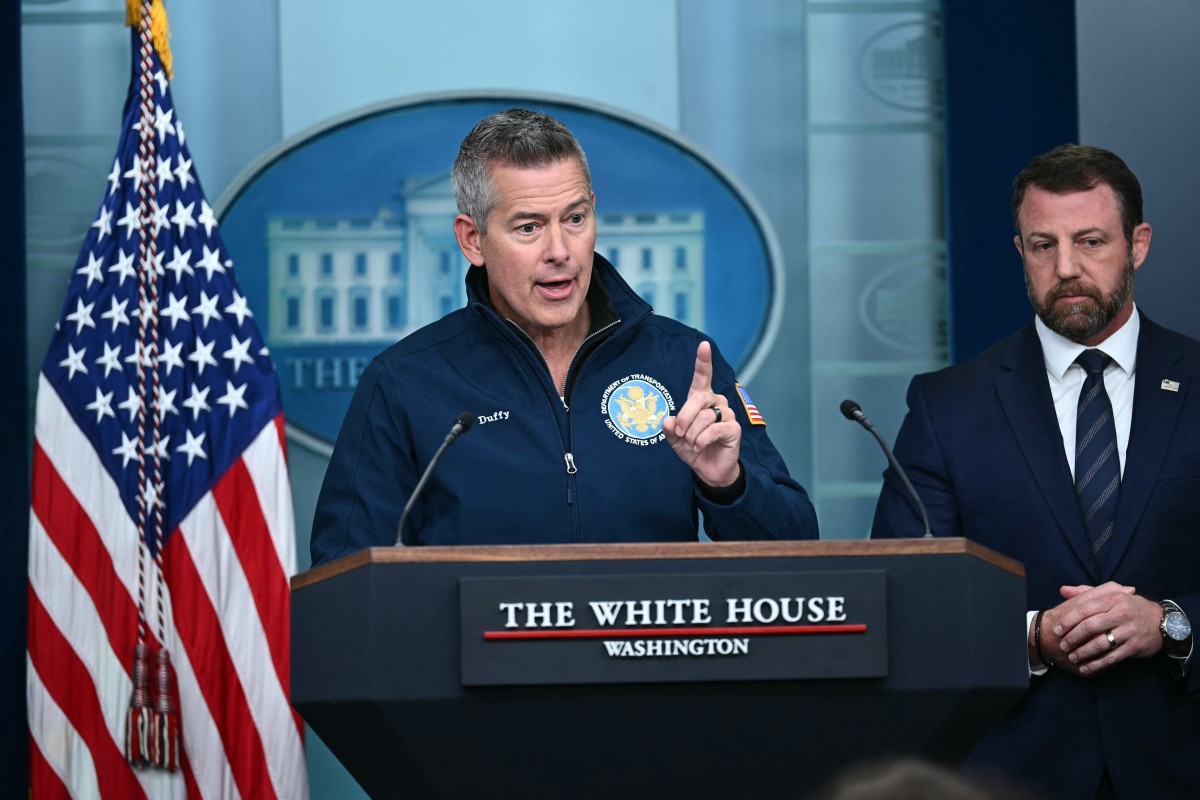
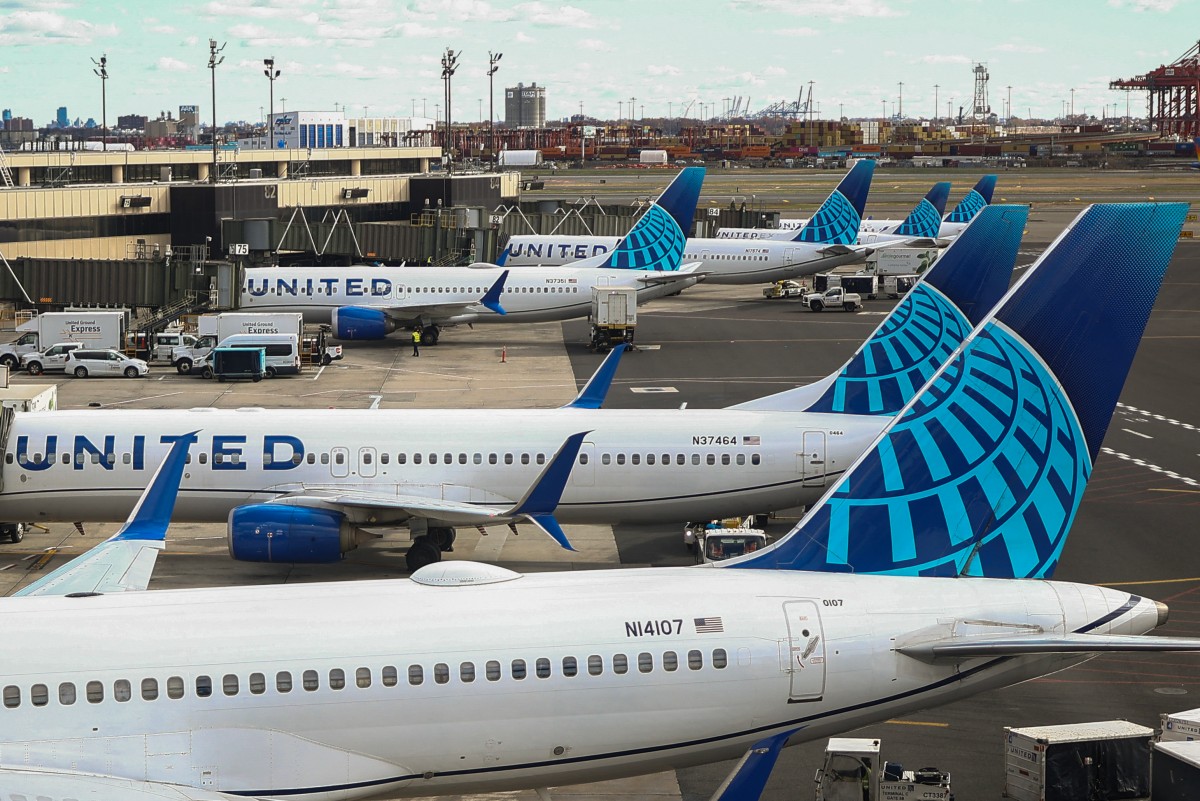
The incident adds to a long list of technological failures in recent weeks. On Nov. 13, the FAA ordered a nationwide flight suspension — only the third in the country's history — which Transportation Secretary Sean Duffy attributed to overloaded routers and an obsolete air traffic control system. Three days later, United Airlines experienced a computer glitch that halted its takeoffs for nearly an hour and a half. Added to that were Microsoft's global outage, disruptions at banking institutions, and the outage of the National Security Agency's (NSA) classified network. The government insists that none of these incidents resulted from a cyberattack.
The timing could not be more sensitive. The failure comes just a few days before Thanksgiving, one of the busiest weeks of the year for air travel in the U.S. According to AAA's forecast, 81.5 million Americans will travel between Nov. 24 and 30, and the Sunday following the holiday is typically one of the busiest days at airports. A similar disruption in the middle of peak season would have caused a surge in delays and cancellations across the country.
Following the nationwide suspension, Duffy and FAA Administrator Bryan Bedford assured that air traffic would return to normal well before the start of the Thanksgiving season. Delta's setback, though unrelated to federal systems, is once again putting that promise to the test just hours before the holiday exodus begins.