From crisis to comeback: How Trump’s war on fentanyl cut deaths by more than 10,000
The staggering drop happened after multiple coordinated law enforcement actions mandated under both the first and second Trump administrations. One U.S. Representative said "Republicans will send them [illegal aliens] home to their countries, and Democrats will send them home into your neighborhoods. That is the choice that is before us in November."
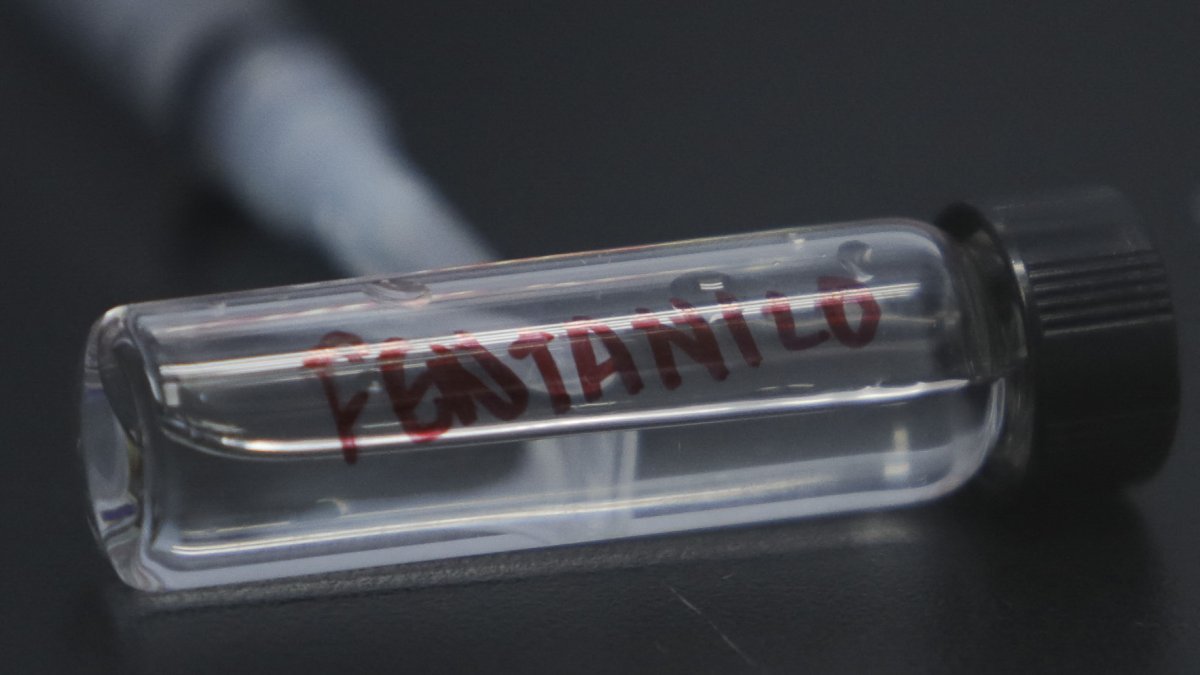
Fentanilo líquido

As the nation marked National Fentanyl Prevention and Awareness Day, a quiet but measurable shift is taking hold in communities long devastated by the synthetic opioid crisis: fewer funerals, fewer empty seats at dinner tables, and a 22% drop in deaths that ties directly as a result of the Trump administration's border crackdown and relentless pressure on the cartels fueling the poison.
"Every single person who came here illegally said, 'I don't respect the United States of America.' So of course, [there were] many, many criminals, and by rounding them up and deporting them, we've brought down crime," Rep. Randy Fine, R-Fla., told Just The News.
"And folks need to understand," he continued, "Republicans will send them [illegal aliens] home to their countries, and Democrats will send them home into your neighborhoods. That is the choice that is before us in November."
Synthetic opioid deaths in the United States fell 22% from 2024 to 2025, dropping from 48,913 to 38,084, according to Centers for Disease Control (CDC) figures cited by the White House. Total drug overdose deaths declined 14% over the same period. The Trump administration attributes the reductions to border security measures and pressure on cartels across both of its terms.
How the cleanup happened: border barriers and migration enforcement
During the first term, the administration constructed about 450 miles of border fencing, including new and replacement sections, according to Customs and Border Protection (CBP) records.
In the second Trump term, officials expanded barriers and reported a 45% drop in nationwide fentanyl seizures in fiscal year 2025, which the White House linked to a reduced supply reaching the border.
The first-term Migrant Protection Protocols, known as Remain in Mexico, required asylum seekers to wait in Mexico during proceedings and was applied to nearly 70,000 people, per American Immigration Council data.
Second-term policies included expanded third-country deportations and increased ICE arrests of individuals with prior fentanyl convictions. The agency highlights specific high-profile arrests involving fentanyl trafficking in press releases, but says comprehensive nationwide totals are categorized broadly under general criminal history or overall drug-related offenses.

Targeting supply chains and cartels
In the first term, the administration applied diplomatic and public pressure on Beijing to add fentanyl and its chemical analogs (slightly modified versions of the drug) to China’s official list of controlled substances.
In the second term, Trump signed the HALT Fentanyl Act in July 2025, permanently classifying fentanyl analogs as Schedule I substances. An executive order in December 2025 designated illicit fentanyl and its precursors as weapons of mass destruction.
Several notorious cartels — including Sinaloa — were designated as foreign terrorist organizations, enabling additional sanctions and prosecutions, according to White House statements.
Officials said these steps disrupted trafficking networks. Independent analysts note overdose declines began earlier and cite multiple contributing factors, including changes in drug supply and expanded naloxone access.
The mess Biden created by his no-borders policy
Southwest border encounters surged to record levels, with U.S. Customs and Border Protection recording more than 8.7 million encounters at the southwest border from fiscal 2021 through 2024 and over 10.8 million nationwide, according to House Homeland Security Committee data citing CBP figures. Annual southwest border totals exceeded 2 million encounters in multiple years, peaking near 2.5 million in fiscal 2023.
Synthetic opioid deaths, primarily from fentanyl, remained elevated, with CDC data showing tens of thousands of such fatalities annually; estimates placed illegally manufactured fentanyl-involved overdose deaths around 60,000–70,000 per year in 2021–2023.
More than 500,000 unaccompanied children were encountered at the southwest border during the period. A DHS inspector general report found ICE could not effectively monitor the location and status of all unaccompanied minors after transfer to HHS custody, noting incomplete addresses for tens of thousands and thousands of court no-shows among those released to sponsors.
LATEST