






Wall Street suffers its worst weekly drop due to rising tech debt
The accumulation of debt to build data centers and persistent inflationary pressure led the Nasdaq to post its worst weekly performance since June.
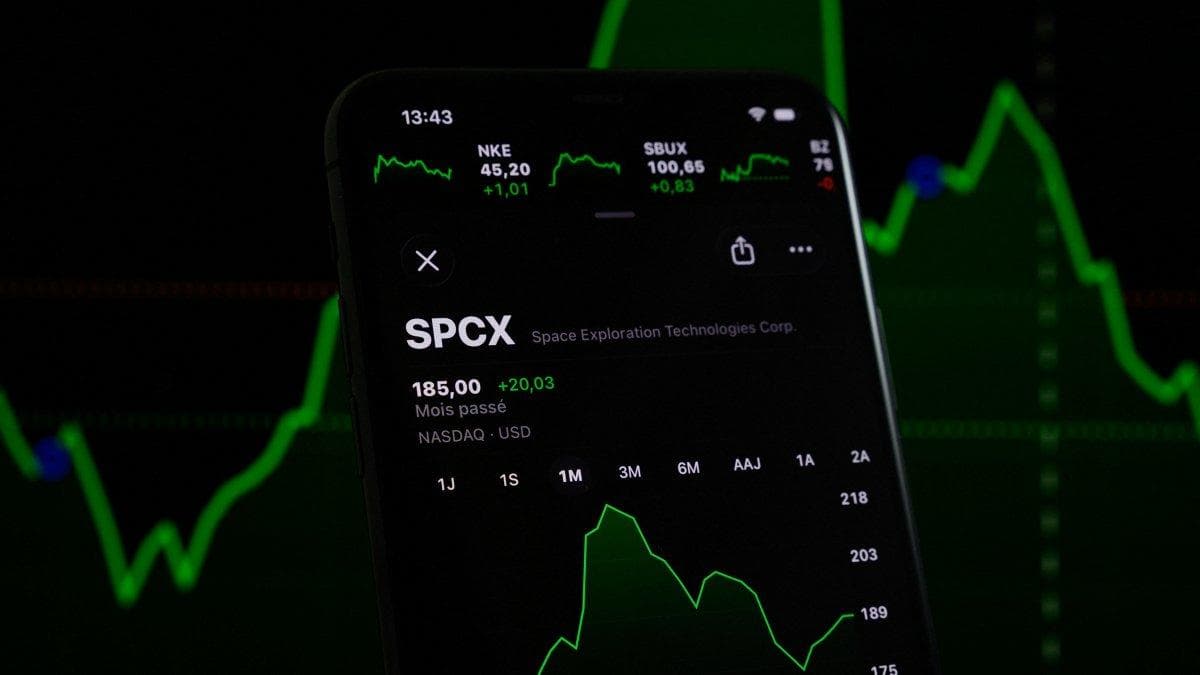
SpaceX's stock price is displayed on a smartphone screen with a stock chart in the background (file photo).

Financial markets closed Friday's session with sharp losses, dragged down by a massive sell-off of tech stocks. Investor skepticism about the sustainability of the massive expenditures allocated to artificial intelligence (AI) infrastructure triggered a sharp correction in Wall Street's major indices.
The Nasdaq Composite technology index fell 573 points, or 2.1%, to 26,140, marking its worst week since June. Meanwhile, the S&P 500 fell 1.1%, and the Dow Jones Industrial Average declined 0.3%.
The heavy burden of debt in the IT sector
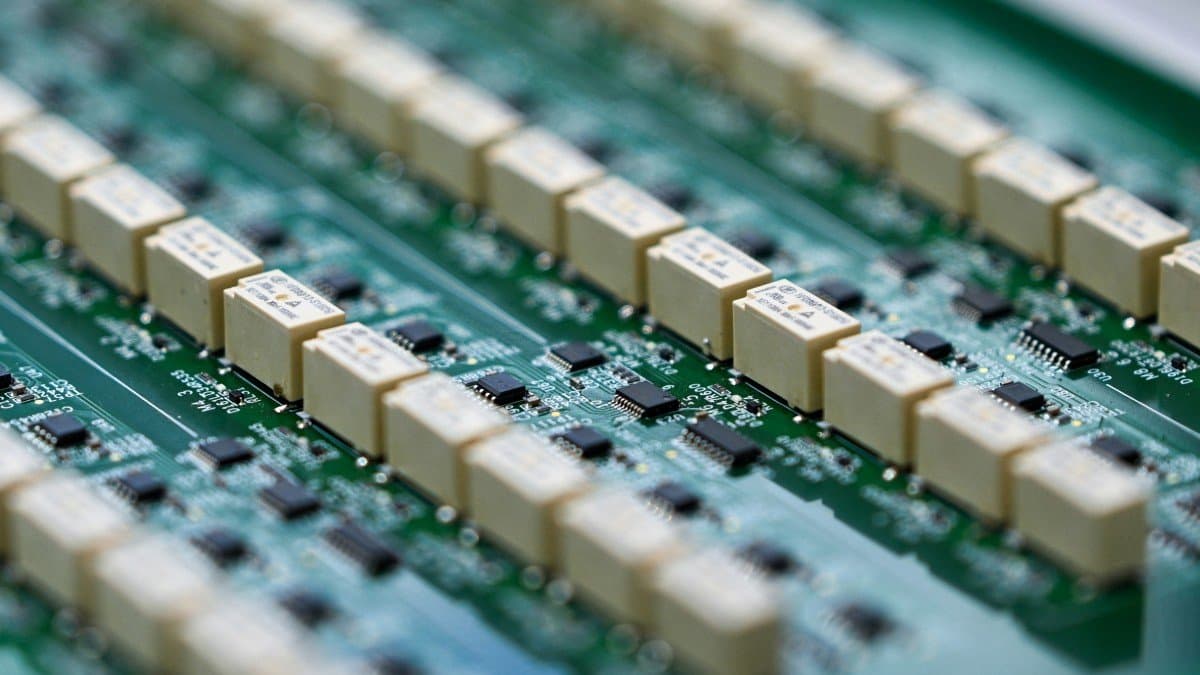
Pressure on semiconductor manufacturers and infrastructure providers has intensified as the market scrutinizes the high level of financial leverage required to build and operate thousands of data centers.
So-called "neonube" companies, such as CoreWeave, were among the hardest hit due to their reliance on debt and equity issuance to finance their capital expenditures, rather than using their operating cash flow.
According to market analyst Adam Crisafulli, founder of Vital Knowledge, this scheme has set off alarms regarding the accumulation of liabilities. CoreWeave's stock fell nearly 12% on Friday and posted a decline of nearly 24% for the week.
The jitters had a widespread impact on the semiconductor industry. Micron Technology shares fell 5.6%, Advanced Micro Devices lost 6%, Broadcom dropped 4.5%, and Intel fell 5.8%. Tesla also fell 2.1% after unveiling its new Roadster sports car.
Caution also increased in light of valuation projections for Anthropic's upcoming IPO. According to a Reuters report, investors are now pricing the AI firm at $1.5 trillion , cutting the initial target of $2 trillion.
Inflationary pressures and the outlook for interest rates
Adding to the backdrop of technological uncertainty were new signs that inflation in the United States continues to drift away from the Federal Reserve's 2% annual target.
The yield on 10-year Treasury bonds remained stable at 5.1%, staying near its highest levels in more than two decades due to concerns about public debt and rising prices.
This persistent inflation paves the way for adjustments to monetary policy. Although most analysts expect the central bank to keep interest rates unchanged at its Oct. 28–29 meeting, market odds for a rate hike at the December meeting rose to 74.3%, up from 50.2% a month ago, according to CME FedWatch data.
During a meeting of financial leaders in Bangkok, Federal Reserve Chairman Kevin Warsh chose not to offer any clues about the central bank's next steps, which in September raised the federal funds rate to a range of 3.75% to 4%, its highest level since late 2025.
Tech & Science
Tesla's new Roadster is finally unveiled after a nine-year wait: It jumps over other cars, spins in the air, and lands using thrusters
Emmanuel Alejandro Rondón

Just the News
Federal probes dig deeper into Rep. Ilhan Omar's citizenship and financial disclosures
Just The News
🛠 Do you think there is an error in this article?
Recommendations



LATEST