Miami judge issues another arrest warrant for Raúl Castro in connection with downing of Brothers to the Rescue planes
The Florida court found that there is sufficient evidence to link the former Cuban leader to a conspiracy to commit first-degree murder during the 1996 attack, which left four Americans dead.
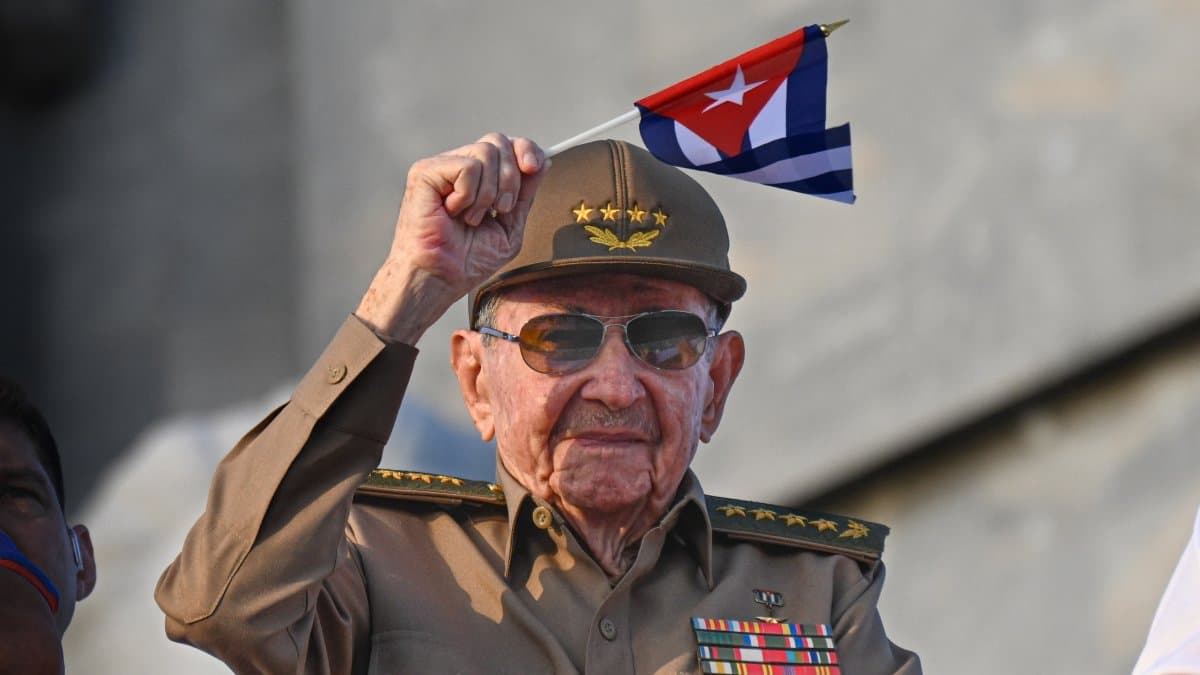

A judge in Miami issued an arrest warrant for former Cuban dictator Raúl Castro for his alleged involvement in the downing of two small planes belonging to the organization Brothers to the Rescue on Feb. 24, 1996.
The warrant was signed on Friday, Oct. 16, and authorized by the chief judge of Florida's 11th Judicial Circuit, Ariana Fajardo Orshan, following an investigation by the Florida Department of Law Enforcement (FDLE), according to court documents obtained by the Miami Herald.
According to the newspaper, the court found probable cause to believe that Castro conspired with Cuban intelligence agents operating in Florida to commit first-degree murder.
The attack occurred when Cuban military aircraft shot down two civilian aircraft belonging to Brothers to the Rescue over international waters. Four members of the organization were killed: Carlos Costa, Armando Alejandre Jr., Mario de la Peña and Pablo Morales.
At that time, Raúl Castro was in command of the Cuban military.
The new court order comes after Florida Attorney General James Uthmeier announced in March a state criminal investigation into the former Cuban leader's responsibility for those events.
According to the Miami Herald, authorities base Florida's jurisdiction on the alleged activities of two Cuban spies operating in Miami and Key West, who had infiltrated Brothers to the Rescue and reportedly transmitted information about the flights prior to the attack.
This is the second arrest warrant issued against Raúl Castro in connection with this case. In May 2026, a federal grand jury had already filed charges against the former leader for murder and conspiracy to murder, in a proceeding announced by the U.S. Department of Justice.
The state court's decision opens another criminal front against Castro, 95, three decades after an incident that continues to prompt calls for justice from the victims' families and the Cuban exile community.
Although the warrant allows for his arrest, it does not guarantee that the former dictator can be transferred to U.S. territory to stand trial.
🛠 Do you think there is an error in this article?
Recommendations



LATEST