Florida audits its Medicaid providers and finds implausible bills: DeSantis projects nearly $1 billion less in spending after cracking down on systemic fraud
Specifically, the state says that more than 220 providers were terminated for fraud, waste, or abuse; more than 260 face payment restrictions or suspensions; and more than 150 suspicious cases were referred to the attorney general's office in the past year.
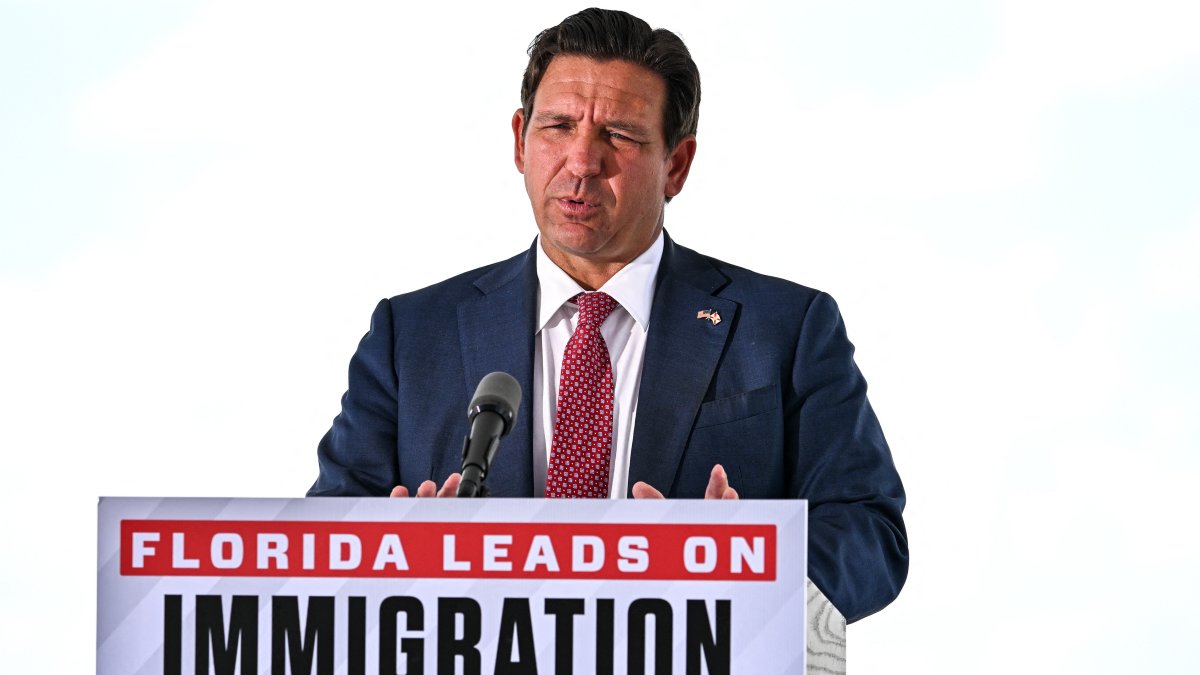
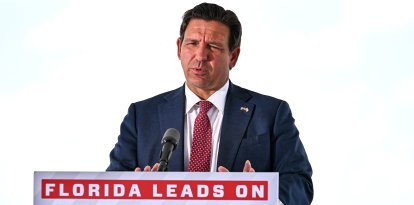
Florida Governor Ron DeSantis speaks during a press conference

Although the numbers didn't add up, there were Medicaid providers in Florida who billed for services every weekend and holiday for months, and some even charged for more than 24 hours of care in a single day. The state's Agency for Health Care Administration (AHCA) revealed this after expanding its oversight, and it is one reason Ron DeSantis's administration now projects spending nearly $1 billion less per year on behavioral therapy.
Fox News Digital published the information, citing data from the AHCA and the governor's office. According to these official sources, Medicaid annual spending on Applied Behavior Analysis (ABA)—a therapy widely used with children with autism—was projected to reach $3.86 billion. It is now expected to be $2.88 billion in fiscal year 2026–27, about $980 million less.
This is, however, a projection, not a savings figure already realized. Officials attributed the achievement to three factors: fighting fraud, managed care, and control over service use. The report did not specify the exact savings for each of these in detail.
Specifically, the state says it terminated more than 220 providers for fraud, waste, or abuse; placed payment restrictions or suspensions on more than 260; and referred more than 150 suspicious cases to the attorney general's office in the past year. Since January, the AHCA has issued more than 1,000 adverse decisions regarding enrollment or re-enrollment and conducted 400 visits to providers, including those providing behavioral analysis, medical equipment, and adult day centers.


The government's idea is to stop questionable claims before paying them, rather than chasing the money afterward. To that end, a pilot program with the firm SentiLink searches for stolen or false identities and hidden owners among providers, and enrollment moratoriums target high-risk categories. "Florida is not waiting to be told what to do. We are building the model: prevent fraud at the front door, verify every provider, and follow the data," the AHCA told Fox News Digital.
DeSantis presented the results as an achievement of his administration.
"This year, we announced the most significant Medicaid integrity initiative in the history of our state," he said in a statement.
AHCA Secretary Shevaun Harris also praised the effort. "Protecting Medicaid means protecting the people it was created to serve," she said, and spoke of ensuring that children, pregnant women, people with disabilities, and seniors continue to have access to quality care.
This approach aligns with that of U.S. Health Secretary Robert F. Kennedy Jr., who called for moving away from traditional "pay-and-chase" models. It comes as Washington reviews Medicaid payments and investigates fraud cases, including those in Minnesota.
LATEST