Following several shootings, ICE limits vehicle stops and bans high-speed chases
Although ICE acknowledged the memo, it downplayed the matter in a statement: "Occasionally, ICE leadership issues guidance reminders to law enforcement officers (…). Vehicle stops and arrests of illegal aliens continue."
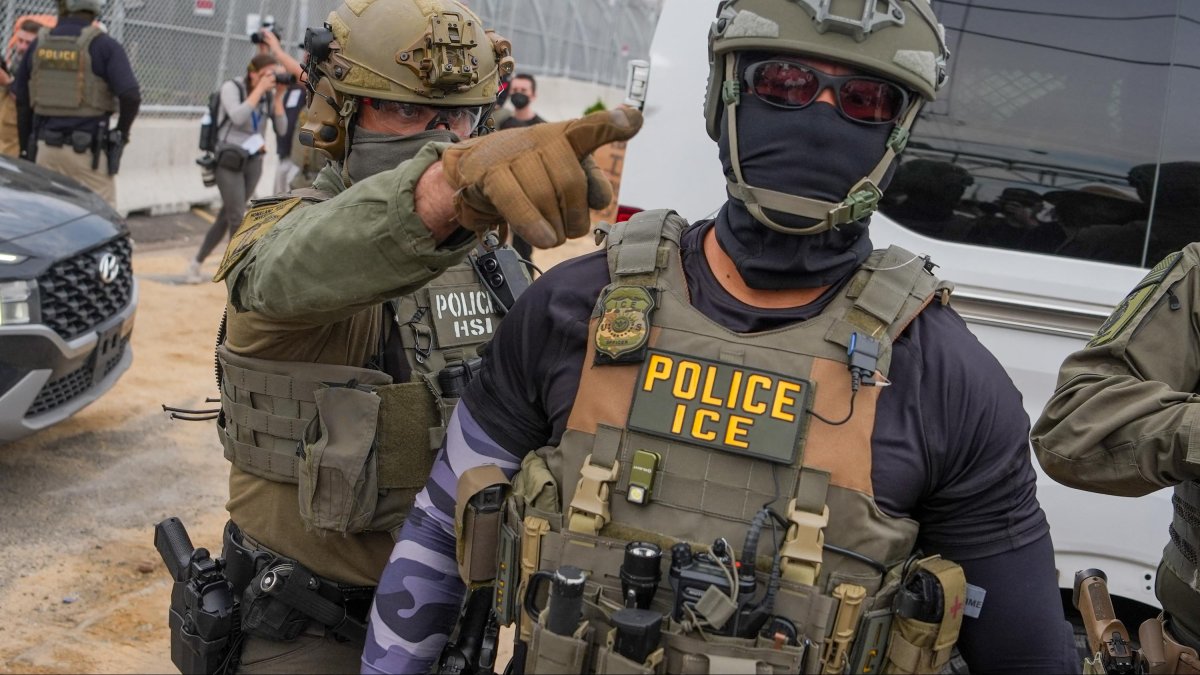
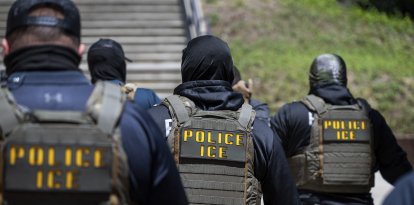
ICE agents in Newark, New Jersey / Ryan Murphy

The Immigration and Customs Enforcement (ICE) agency has changed its instructions to agents regarding traffic stops. According to a new agency document revealed by various media outlets, if a driver disobeys an order to stop, agents must record the vehicle's information for later investigation, without initiating a high-speed chase as has been occurring in recent months. The agency also requires specific training for conducting vehicle stops and the use of body-worn cameras during these interactions.
The provisions are outlined in an internal memo obtained by The Associated Press and other media outlets, signed by Marcos D. Charles, ICE's associate executive director. The document is addressed to the Detention and Deportation Operations Division and amends instructions from this year, 2025, and 2018.
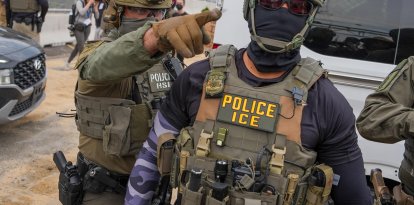
The measure comes after several incidents that resulted in shootings and, in some cases, civilian deaths, including U.S. citizens. According to the AP's own compilation, since last year, ICE agents have used their weapons in more than a dozen vehicle stops, resulting in at least four deaths and several injuries. Some of these incidents occurred when drivers refused to cooperate or attempted to flee from agents, who often conduct these stops while wearing masks and searching for undocumented immigrants.
The memo also stipulates that only agents who have completed one of five authorized courses may conduct these stops. Others may accompany them as passengers in a support role, but may not drive the vehicles involved. It also requires that the vehicles used be equipped with lights and sirens to identify them as law enforcement vehicles, and that all agents present must wear their body cameras and keep them activated throughout the procedure.
Other tools will remain available, though subject to special training. Among them are spike strips to deflate tires and the technique known as pinning, which involves blocking a car with another vehicle or a physical barrier.
Society
ICE loses more than 2,900 agents in 6 months amid Trump's deportation campaign
Emmanuel Alejandro Rondón
ICE, while acknowledging the memo, downplayed the matter in a statement cited by the AP: "Occasionally, ICE leadership issues guidance reminders to law enforcement officers (…). Vehicle stops and arrests of illegal aliens continue."
The new rules come to light as the midterms approach, amid the deportation campaign spearheaded by President Donald Trump. According to the AP, the White House has pressured ICE to increase detentions—which have reached record levels—while criticism of the security agency is growing in various states, creating particular tension with the Hispanic electorate.
The manner in which these checks are conducted had already caused disagreements within the administration. Following two deadly shootings in Maine and Texas in July, agents were instructed to temporarily suspend most of these operations. The next day, Trump publicly ordered them to continue and defended their effectiveness in fighting crime.
A recent case in Austin illustrates some of the practices the memo seeks to correct. During a court hearing, testimony indicated that the officer who injured delivery driver Wilber Rafael Garcés Pérez was not wearing a body camera and that another officer turned it off during the chase.
Garcés Pérez faces charges for allegedly striking an officer with his vehicle's side mirror. His defense challenges the accusation and argues that the available footage does not fully capture the moment of the alleged escape.
LATEST